

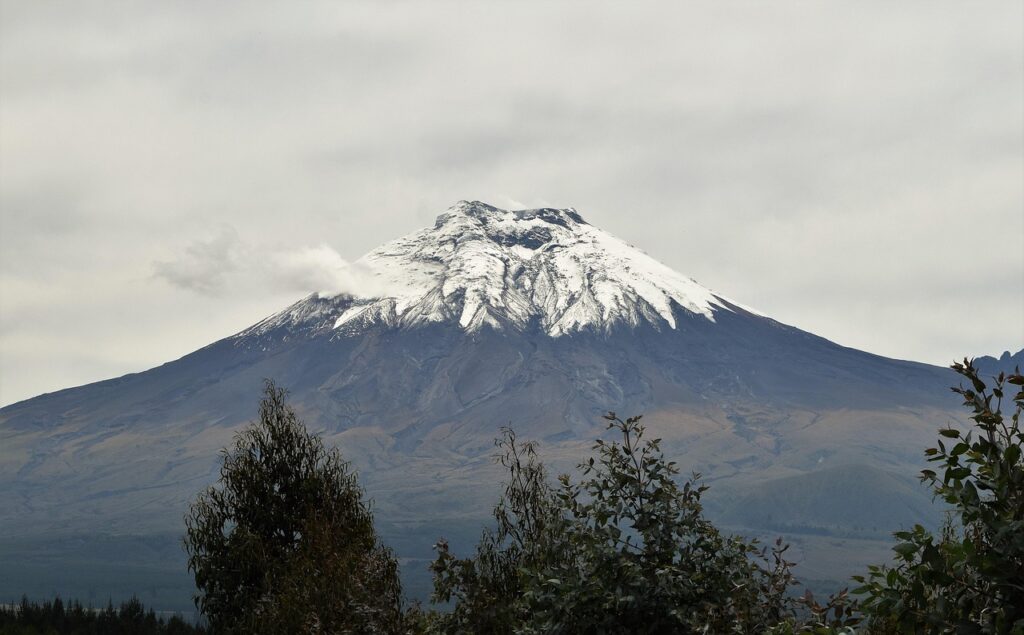
There’s something magical about stepping off the plane in Quito. The air is fresh, the mountains are breathtaking, and the vibe — well, it just feels alive. But as soon as I took my first deep breath, a heaviness hit me. My head felt fuzzy, my stomach turned. Just like that, I was facing altitude sickness. It was a harsh lesson about the altitude, and trust me, you don’t want to go through it.
In this post, I’ll share what you need to know about altitude sickness in Quito. I’ll also offer some essential tips to help you stay safe and enjoy every moment of your adventure. Let’s get into it.
Understanding Altitude Sickness
Altitude sickness, or acute mountain sickness (AMS), happens when you go too high too fast. Quito sits at about 9,350 feet (2,850 meters) above sea level. That’s higher than most major cities around the world. The air is thinner here. Less oxygen means your body has to adjust — and sometimes, it struggles.
Signs and Symptoms
The symptoms can sneak up on you. Common signs include:
- Headaches
- Nausea
- Dizziness
- Fatigue
Don’t brush this off. If you notice these symptoms, pay attention. Your body is sending you a message.
Tips for Avoiding Altitude Sickness in Quito
Now for the good stuff. Here are practical tips to help you acclimatize and enjoy your time in Quito.
1. Take It Slow
This might be the most important tip. When you arrive, don’t rush into activities. Give your body time to adjust to the altitude. Spend your first day taking it easy. Stroll through Old Town, grab a coffee, and relish the local culture without exhausting yourself.
2. Stay Hydrated
Drink lots of water. Seriously, it can’t be overstated. Staying hydrated helps your body cope with the thinner air. Avoid alcohol for the first few days; it can dehydrate you. Your best bet? Stick to simple, hydrating drinks. Herbal teas and natural juices are a great choice.
3. Snack Wisely
Food can play a big role in how you feel. Focus on light meals rich in carbohydrates. Think fruits, veggies, and grains. These foods provide energy without weighing you down. Avoid heavy meals, especially those rich in fats. Trust me, you’ll thank yourself later.
4. Consider Medication
Some travelers swear by medications like acetazolamide (Diamox) to prevent altitude sickness. If you’re worried, chat with your doctor before your trip. They can help you decide what’s best for you.
5. Listen to Your Body
If you start to feel unwell, don’t hesitate to take a break. Rest is essential. Headache? Find a comfy spot and relax. Nausea? A little ginger or peppermint tea might help soothe your stomach. But if symptoms worsen or don’t improve, descend to a lower elevation. It’s better to be safe than sorry.
Activities in Quito While Acclimatizing
So, what can you do while you adjust? Quito is full of low-key attractions that won’t wear you out.
Explore the Historic Center
The historic center of Quito is a UNESCO World Heritage site. Walk around Plaza Grande, visit churches, and check out local shops. You can soak up culture without putting too much strain on your body.
Take the TeleferiQo
Another easy adventure is the TeleferiQo. This cable car ride takes you up the slopes of Rucu Pichincha. The views are stunning. Just take it slow and enjoy the ride. If you start feeling off, don’t hesitate to come back down.
Final Thoughts
Altitude sickness can put a damper on an otherwise amazing trip. But with a little care and preparation, you can adventure in Quito while keeping your health in check. Remember to take it slow, stay hydrated, and listen to your body. Your travels should be enjoyable, not overwhelming.
If you want to read more about traveling safely in high-altitude environments, check out this [Related: example].
Every adventure has its challenges, but with the right tips, you can embrace Quito’s beauty without worry. Enjoy your trip!