

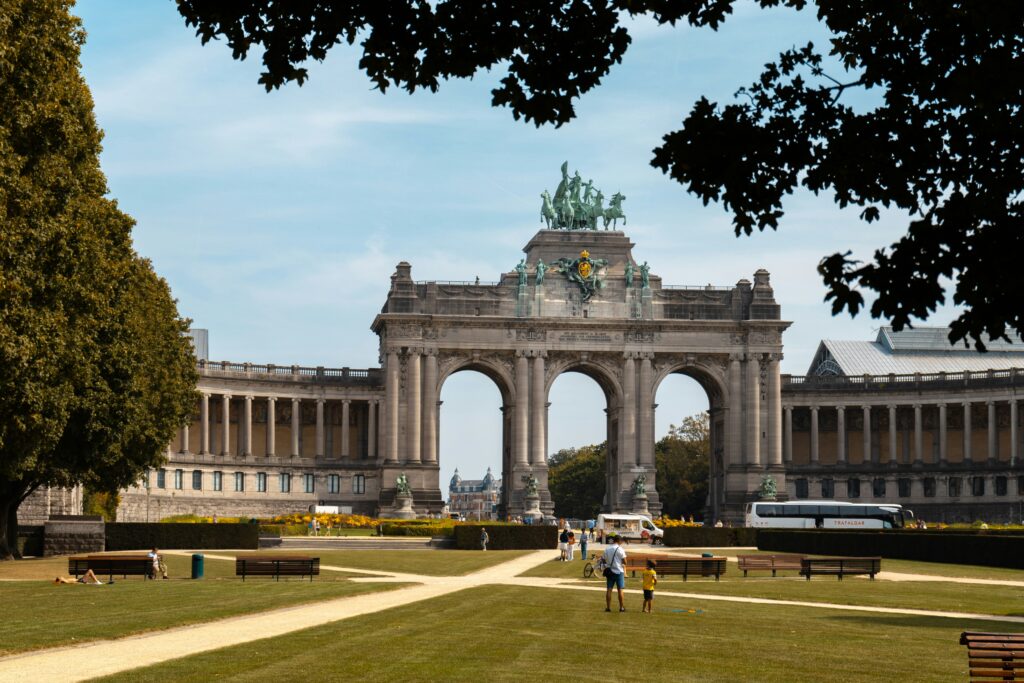
Understanding the Basics: Do You Need to Register Your Foreign Car?
Driving around Brussels with your foreign car might sound exhilarating, but it comes with its own set of rules and regulations. If you’re planning to stay there for an extended period or just want to explore, you might be wondering, “Do I need to register my foreign car before driving in Brussels?” Let’s break it down into easy-to-follow sections.
Temporary vs. Permanent Residency
First off, it’s important to distinguish between temporary and permanent residency. If you’re just visiting, like many tourists who marvel at the Grand Place or sip on rich Belgian hot chocolate, you often won’t need to worry about registration at all. However, if you’re a longer-term resident—perhaps moving for work, love, or study—you’ll want to pay attention.
Short Stays: Tourist Considerations
As a tourist, you can generally drive your foreign-registered car in Belgium without registering it locally. Most EU citizens can stay up to six months in a calendar year without a hitch. Just remember your driving license, insurance, and any necessary vehicle documents. It’s smart to have these on hand—like a security blanket—because you never know when you might encounter a roadside check.
So, let’s say you’re hitting the road to visit Bruges or Ghent. Your foreign car should be good to go as long as you stick to the six-month limit!
Long-Term Stays: Registering Your Car
Now, if you’re thinking about unpacking those bags for good, you’ll need to consider registering your car in Belgium. This process can feel like a maze at times, so here are a few pointers to make it easier:
Eligibility: If you’ve lived in Belgium for more than six months, you’re usually required to register your car. Checking in with the local municipality is a good first step.
Documentation: Gather all necessary documents. This includes proof of identity, proof of residence, and documents relating to the car itself (like ownership papers and insurance).
The Process: Once you’ve secured all your paperwork, head to the local police or municipal office. They can guide you through the registration process, which will involve filling out some forms, perhaps paying a fee, and waiting for your registration documents.
Insurance: Don’t forget about car insurance requirements! You’ll need a valid Belgian insurance policy, which is often a prerequisite for registration.
Driving Regulations to Keep in Mind
Alright, so you’ve got your registration sorted, and you’re all set to cruise the streets of Brussels. But wait—what about the driving rules? Here are a few vital regulations to keep in mind:
Speed Limits and Safety Rules
Brussels can be quite bustling, and knowing the speed limits is essential. Generally, in urban areas, the limit is 50 km/h, while on highways, it’s usually around 120 km/h. Always keep an eye out for signages because they’re your friends when it comes to avoiding fines!
Other important rules? Well, seat belts are a must for both drivers and passengers, and using a mobile phone while driving is a no-go unless you have a hands-free device.
Parking in Brussels
Finding a parking spot in the city can feel like trying to find a needle in a haystack, especially in busy areas. Most on-street parking requires payment, so check the signs to avoid hefty fines. There are also plenty of garages if you need a more secure spot—though these can be a bit pricey.
Is There a Time Limit for Registration After Moving?
Yes, there absolutely is! If you’ve moved permanently to Brussels, you typically have a grace period of about 60 days to register your car. It’s best not to put this off. You wouldn’t want to be pulled over and face a fine because your paperwork is still pending.
Taxes and Fees
Ah, let’s talk about money for a minute. When you register your car, be prepared for some costs involved. You might have to pay registration fees along with an annual road tax. The rates can vary based on the type of vehicle you have, so checking with the local authorities or even a fellow expat can be helpful here.
Conclusion: Enjoy Your Brussels Adventure!
Whether you’re driving a foreign car as a tourist or have decided to settle down and bring your wheels along, understanding the local laws is crucial. It’s all about making your driving experience smooth and stress-free.
So, ready to hit the road and explore Europe’s heart? Don’t forget to pack a GPS, your favorite playlist, and maybe that cheat sheet of driving rules. Happy travels!
**Related Reading:** – [Related: How to Plan a Solo Trip on a Budget] – [Related: Top Destinations for First-Time Solo Travelers] **#SoloTravel #Register #Foreign #Car #Driving #Brussels**Related: Check out this guide on exploring Brussels for more tips on navigating the city.