
Does Montenegro Use the Euro or a Local Currency?
Planning a trip to Montenegro and wondering about the currency? You’re not alone! Travelers often have questions about what kind of money to use while exploring this stunning, Adriatic gem. Interestingly, Montenegro does not have its own local currency. Instead, it uses the Euro! Yes, you read that right; even though Montenegro isn’t part of the Eurozone, they’ve embraced the Euro as their official currency since 2002. Let’s unpack this further and give you some valuable travel budget tips!
Why Montenegro Uses the Euro
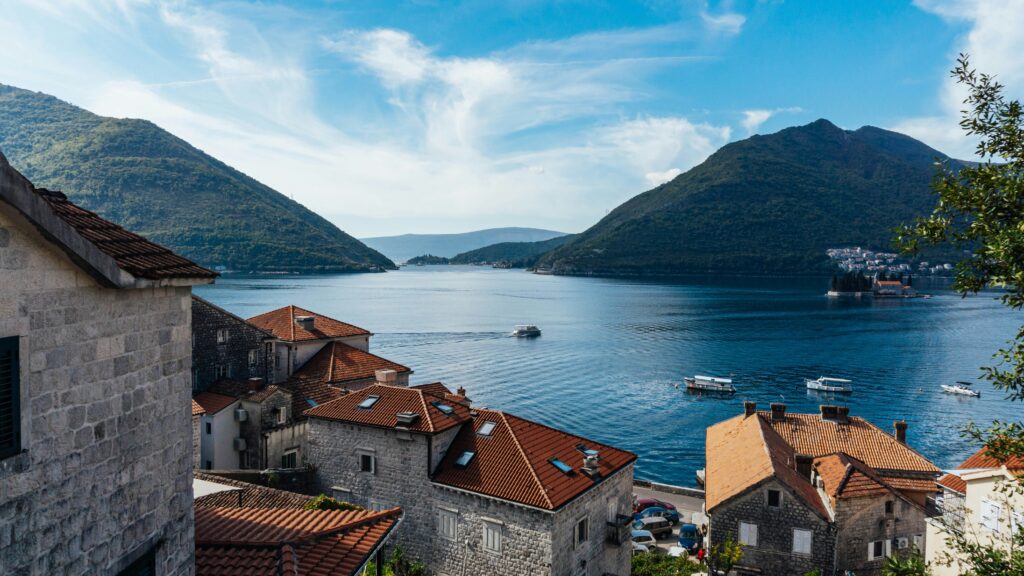
You might be curious about how Montenegro ended up adopting the Euro without being an EU member. Long story short: after gaining independence from the State Union of Serbia and Montenegro in 2006, it continued using the Euro. This decision helps boost tourism and provides economic stability. Imagine not having to worry about currency exchange rates while you’re sipping a coffee in Kotor or hiking in Durmitor National Park!
The Benefits of Using the Euro
Traveling with the Euro comes with perks. For one, if you’re coming from a Eurozone country, you won’t have to bother with conversions, saving both time and money. Even visitors from non-Euro countries can find it easier to budget since prices are more straightforward.
Budgeting for Your Trip to Montenegro
Now that you’re up to speed on currency, let’s chat about budgeting for your Montenegrin adventure!
Accommodation Costs
Montenegro offers a range of accommodation styles, from luxe resorts to quaint guesthouses. On average, you might spend around €40 to €150 per night depending on the location and time of year. Kotor and Budva are popular tourist spots, so prices can be a bit higher there. If you’re on a tighter budget, consider smaller towns like Herceg Novi, where you can find cozy spots for less.
Dining and Food Budget
Food is another essential part of your budget. Eating out at mid-range restaurants usually costs around €10 to €20 per meal. If you’re like me and love exploring local markets, grab some fresh fruits, cheeses, and bread for a glorious picnic by the sea or in one of the national parks!
Transportation Tips
Getting around Montenegro is relatively affordable. Buses connect major cities and are often the go-to option for travelers. A ticket from Kotor to Podgorica is about €10. Renting a car is also an option—but don’t forget about fuel costs, which can add up. Roads can be winding, so if you’re not comfortable driving on those cliffside routes, a bus may be the way to go.
Activities to Consider
There’s no shortage of things to do, whether you’re a history buff, adventure seeker, or beach lover. Here are some must-tries without busting your budget:
Explore Kotor’s Old Town
Wandering through Kotor’s charming streets is an experience in itself. Entry is free, though you’ll want to set aside about €8 if you’re keen to hike up to the fortress for stunning views. Trust me, it’s worth every cent!
Visit National Parks
Montenegro is blessed with gorgeous national parks like Durmitor and Biogradska Gora. Entrance fees vary but typically hover around €3 to €5, allowing you to immerse yourself in nature without breaking the bank. Pack some snacks and enjoy a day of hiking; it’s one of the best ways to connect with Montenegrin culture.
Cash or Card: What to Bring?
While Montenegro uses the Euro, it’s wise to keep some cash handy. Most places accept cards, but smaller eateries or markets may operate on a cash-only basis. Having around €50 to €100 in cash will give you peace of mind as you navigate local shops and attractions.
Where to Exchange Currency
If you need to exchange currency, you can do so at banks or exchange offices. Airports usually have somewhat higher rates, so it’s best to wait until you’re in town for better deals. Just remember, check those rates and fees—nobody wants a nasty surprise when trying to grab that delicious gelato!
Final Tips for Making the Most of Your Budget
Before you go, here are a few quick tips to help stretch that budget:
- Travel Off-Peak: If possible, visit during the shoulder seasons (April-June or September-October) when prices drop and crowds thin.
- Stay Hydrated: Tap water in Montenegro is generally safe to drink. Bring a reusable bottle and refill it while exploring!
- Join Local Tours: Sometimes, local tours can provide a unique experience at a fraction of the price. Just ask locals or check out community boards.
So there you have it! Montenegro’s use of the Euro simplifies many aspects of travel and budgeting. With its stunning landscapes, rich culture, and delicious food, your trip will be memorable without emptying your wallet. For more ideas and suggestions on budget travel in Montenegro, check out [this travel guide](https://www.example.com). Enjoy your adventure!
**Related Reading:** – [Related: How to Plan a Solo Trip on a Budget] – [Related: Top Destinations for First-Time Solo Travelers] **#SoloTravel #Montenegro #Euro #Local #Currency #Travel #Budget #Tips**