

Understanding Schengen Visas
If you’re considering a trip to Lithuania, one of the first questions that might pop up is: “Do I need a Schengen visa?” That’s a good question! Lithuania is part of the Schengen Area, which means that if you’re traveling from outside it, you might need a visa. Let’s break this down together.
What is the Schengen Area?
The Schengen Area is a group of 27 European countries that have abolished passport control at their mutual borders. This means once you enter one Schengen country, you can generally travel freely between them. However, this convenience comes at a cost: the requirement for a Schengen visa for those from certain countries.
Do You Need a Visa?
So, do you need a Schengen visa to enter Lithuania? It all depends on where you are coming from. Here’s a quick guide:
- Visa-Exempt Countries: Citizens of many countries, like the U.S., Canada, Australia, and New Zealand, can enter Lithuania without a visa for short stays (up to 90 days in a 180-day period). Lucky you, right?
- Visa-Required Countries: If you’re from countries like India, Nigeria, or China, you will need to apply for a Schengen visa before your trip.
If you’re unsure about your status, it’s always a good idea to check the official Schengen visa website for the most accurate and updated information.
Steps to Apply for a Schengen Visa
If you find yourself needing a visa, don’t worry! The application process can be straightforward if you know what to expect. Here’s how to get started:
1. Determine the Right Visa Type
Most likely, you’ll need a short-stay visa (Type C) for tourism, business, or family visits. Make sure you know why you’re traveling, as this will affect the type of visa you apply for.
2. Gather Required Documents
You’ll need to get your documents ready before applying. Here’s a checklist to help you:
- Completed Visa Application Form: You can usually find this online. Fill it out and print it.
- Passport: Ensure it’s valid for at least three months beyond your planned departure from the Schengen Area and has been issued in the last 10 years.
- Passport Photos: Check the requirements; they need to be recent and meet specific criteria.
- Travel Insurance: This is crucial! Your insurance must cover at least €30,000 for medical emergencies.
- Proof of Accommodation: This could be hotel bookings or an invitation letter from a friend or family in Lithuania.
- Flight Itinerary: A booking showing that you plan to leave and enter the Schengen Area.
Gathering these documents might seem a bit daunting, but having them organized can reduce stress later on!
3. Schedule an Appointment
Once your documents are on point, the next step is to schedule an appointment at the nearest embassy or consulate that handles Schengen visa applications for Lithuania. Depending on where you are, this might involve a bit of waiting, so try to book your appointment ahead of time.
4. Attend the Appointment
On the day, arrive early. Be prepared to present your documents and possibly answer some questions about your trip. Staying calm and collected here is key.
5. Wait for Processing
After your appointment, you’ll need to wait for the processing to complete. This can take anywhere from a few days to a couple of weeks, so plan accordingly.
Tips for a Smooth Visa Application
Let’s face it, applying for visas can be a headache, so here are some handy tips:
Apply Early: Allow yourself extra time for any unexpected issues. Ideally, apply about three months before your planned trip.
Be Honest: Always provide accurate information. Misleading data can lead to visa rejection.
Check Requirements Regularly: Sometimes rules change. Make sure you’re up to date on the latest requirements for your nationality.
Stay Organized: Use a folder or binder for your documents. Keeping everything in one place can save you a lot of trouble.
Consider Professional Help: If the process feels overwhelming, there are agencies that can help you navigate it.
What to Do After Getting Your Visa
Congrats, you’ve got your visa! Now, it’s time to plan the fun stuff.
1. Understand Your Rights and Restrictions
With a Schengen visa, you usually can travel freely across the Schengen countries for up to 90 days. However, keep in mind that there might be some particular rules depending on your nationality.
2. Familiarize Yourself with Lithuania
Now, onto the exciting part! Lithuania has rich history, gorgeous landscapes, and a vibrant culture. Don’t miss out on:
- Vilnius Old Town: A UNESCO World Heritage site with breathtaking architecture.
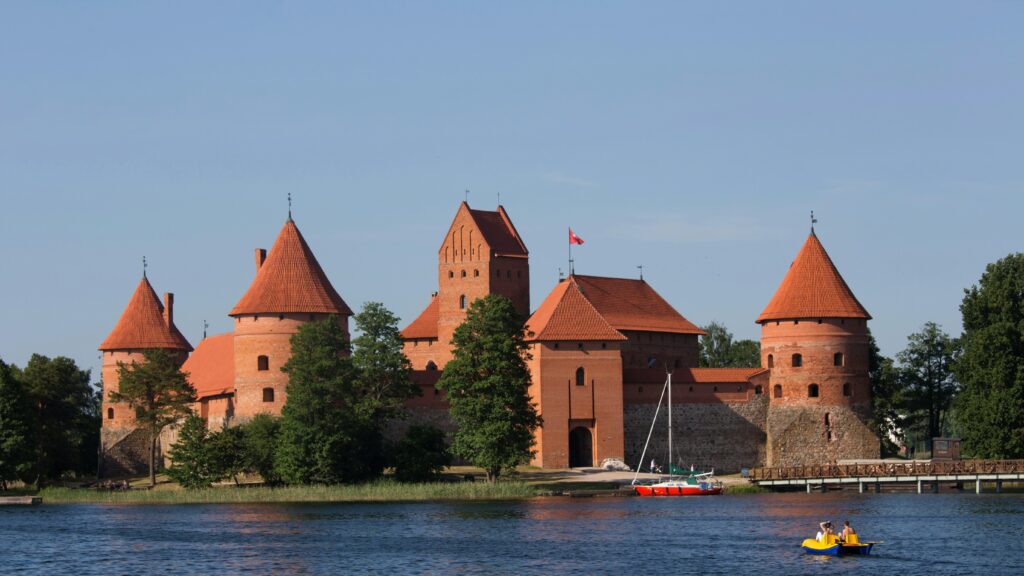
- Trakai Castle: Just a short trip from the capital, it’s a picturesque castle surrounded by beautiful lakes.
- Local Cuisine: Try cepelinai, traditional potato dumplings that locals love.
Traveling around the country is quite straightforward, whether by bus, train, or even renting a car.
3. Keep Your Documents Handy
Lastly, always keep copies of your important documents, including your visa, passport, and travel insurance. In case something goes awry—like losing your stuff—you’ll thank yourself later.
Final Thoughts
Navigating visa procedures can sometimes feel like a marathon, but with a little preparation, it doesn’t have to be painful. Remember, many travelers sail through the Schengen visa application, and you can too. Just take it step by step, double-check your paperwork, and you’ll soon be on your way to explore the wonders of Lithuania!
Getting ready to pack your bags? Enjoy planning your trip, and hey, who wouldn’t want to experience the beautiful blend of history and modernity that Lithuania has to offer? Safe travels!
**Related Reading:** – [Related: How to Plan a Solo Trip on a Budget] – [Related: Top Destinations for First-Time Solo Travelers] **#SoloTravel #Schengen #Visa #Lithuania #Key #Steps #Explained**