

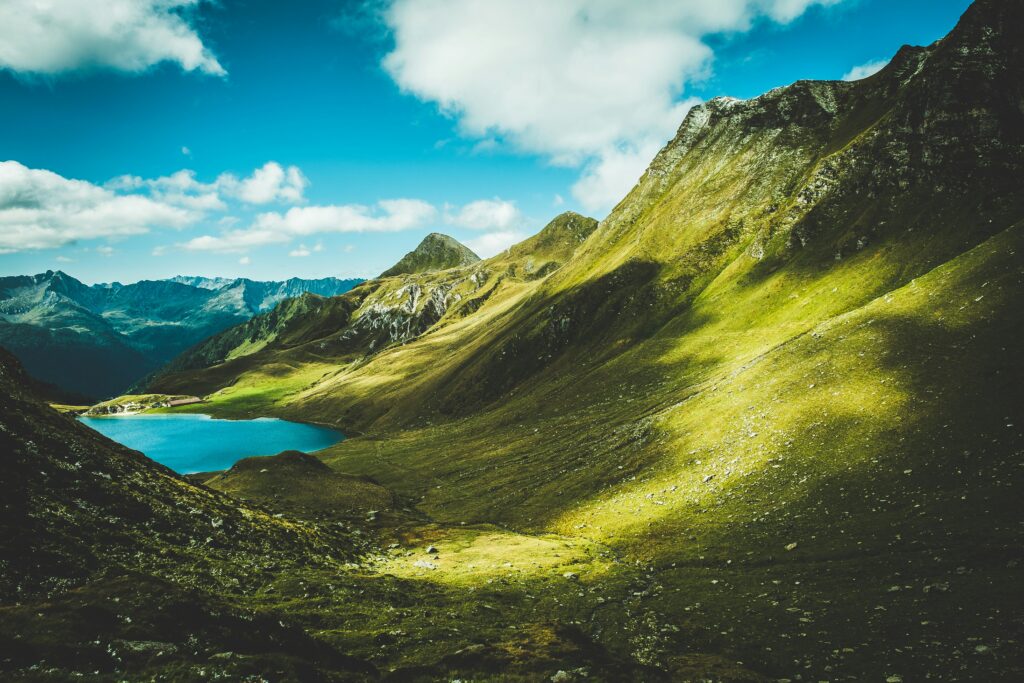
Planning Your Visit to Jungfraujoch
Your heart races as you think of Jungfraujoch—the “Top of Europe.” It sounds mesmerizing, right? But before you dive into planning, there’s something crucial to consider: altitude sickness. This stunning mountain peak sits at a whopping 3,454 meters (11,332 feet) above sea level. For many, that’s a significant jump in elevation, and it can come with its own set of challenges.
What is Altitude Sickness?
Altitude sickness, or acute mountain sickness (AMS), happens when you ascend to high altitudes too quickly. The higher you go, the less oxygen there is, which can lead to a range of symptoms, including headaches, fatigue, dizziness, and even nausea. You might feel a bit like a fish out of water—gasping at thin air. Typical symptoms start to appear at altitudes above 2,500 meters (8,200 feet), so you’ll want to keep this in mind as you consider your visit.
Recognizing the Symptoms
If you do feel weird, it’s easier to recognize the signs early. Here are some common symptoms:
- Headache: The hallmark of altitude sickness.
- Nausea: Feeling queasy or like you might hurl.
- Dizziness: Imagine trying to walk on a tightrope while tipsy.
- Fatigue: You might feel unusually tired or out of breath.
Will I Get Altitude Sickness at Jungfraujoch?
Honestly, it varies from person to person. Some folks bounce right up without a hitch, while others might not cope as easily. Your body’s unique. Factors like your overall health, fitness level, and even genetics play a role. But here’s the good news: with some smart prep, you can help minimize the risk.
How to Prepare for Jungfraujoch
So, how do you avoid playing roulette with altitude sickness? Here are some practical tips:
Ascend Gradually
If you can, try to spend a night or two at a moderate altitude before heading up to Jungfraujoch. For instance, if you’re in Interlaken or Grindelwald, soak up the sights for a few days first. This will give your body the chance to acclimatize. Think of it as giving your body a warm-up!
Stay Hydrated
Your chances of suffering from altitude sickness increase when you’re dehydrated. So, drink plenty of water. In fact, aim for at least 2-3 liters a day while you’re adjusting to the altitude. And steer clear of excessive alcohol—as tempting as those après-ski cocktails might seem!
Choose Your Time Wisely
Consider planning your visit to Jungfraujoch during the milder months, perhaps late spring to early fall. The weather is generally more forgiving, and you’ll want to spend time soaking in the views rather than battling the wind chill.
Know Your Limits
This tip seems straightforward, but it’s so important. If you start feeling off, don’t push yourself. Take a break, rest, or even consider descending a bit if necessary. Your health matters more than a few more photos!
Pack Smart
Bring along some pain relievers like ibuprofen or acetaminophen. They won’t cure altitude sickness, but they can make those annoying headaches more manageable. It’s a bit like carrying a trusty umbrella; you hope you don’t need it, but you’ll be glad to have it.
Making the Most of Your Trip
Once you’re prepared and have addressed the altitude issue, there are so many marvelous things to do!
Enjoy the Scenic Train Ride
The journey to Jungfraujoch is stunning in itself. Take the Jungfrau Railway, and enjoy breathtaking vistas of the Alps as you ascend. It’s like riding through a postcard, and the views only get better. Snap those photos, but don’t forget to soak it all in with your own eyes too!
Explore Ice Palace
When you reach the top, don’t miss the Ice Palace. It’s an enchanting world of ice sculptures and tunnels. Again, take pictures, but remember to enjoy the moment—feeling the chill and marveling at nature’s artwork.
Try Local Delicacies
If you’re feeling up to it, indulge in some local Swiss treats. Maybe a hearty cheese fondue or a slice of rich chocolate cake? At altitude, eating might seem less appealing, but you might surprise yourself!
Final Thoughts
Traveling to Jungfraujoch is a dream for many. With a little foresight and preparation, altitude sickness doesn’t have to be a part of your adventure. Remember to listen to your body, drink plenty of water, and take your time to enjoy every breathtaking view. Bon voyage!
For more tips on high-altitude travel, check out this [Related: High Altitude Travel Tips](https://www.travelandleisure.com/travel-tips/high-altitude-travel-tips).
**Related Reading:** – [Related: How to Plan a Solo Trip on a Budget] – [Related: Top Destinations for First-Time Solo Travelers] **#SoloTravel #Altitude #Sickness #Jungfraujoch #Key #Tips #Prepare**