

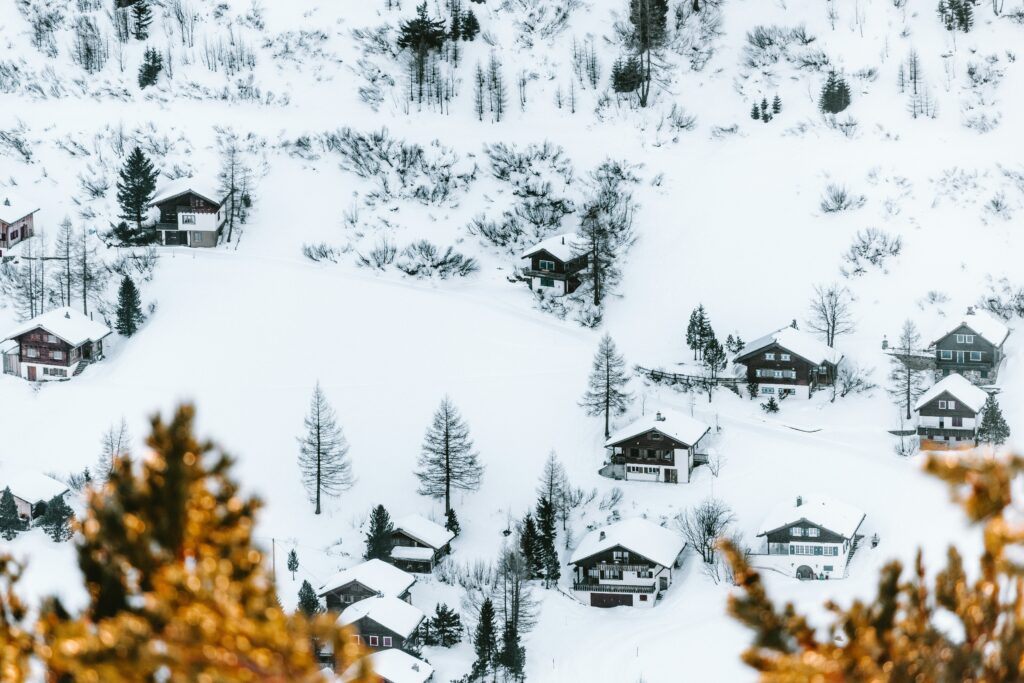
Understanding Avalanche Risks in Liechtenstein
Hiking in the breathtaking landscapes of Liechtenstein during avalanche season can be an exhilarating experience—but it also comes with its risks. The Alpine region, known for its stunning peaks, can quickly turn dangerous when the snowpack becomes unstable. Understanding these risks is crucial if you want to enjoy the trails without putting yourself in harm’s way.
Avalanche season can vary, but it typically spans from late autumn to early spring. During this time, weather conditions can change rapidly, leading to potential avalanche hazards. It’s essential to keep weather patterns, snow conditions, and your hiking route in mind when planning your hikes.
Researching Conditions: How to Stay Informed
Before embarking on your hiking adventure, doing a bit of homework can save you a lot of trouble. Here are some tips on how to gather relevant information:
Online Resources
Local authorities and mountain rescue organizations often provide up-to-date reports on avalanche risk levels. Websites such as the Avalanche Warning Center or the local tourist office in Liechtenstein can give you crucial insights into what’s happening on the mountains. Check for avalanche bulletins, which indicate whether current conditions are safe for hiking.
Local Knowledge
Don’t underestimate the value of talking to locals. When you’re in a town like Vaduz, strike up a conversation with your hosts or fellow travelers. They might have invaluable information about conditions that aren’t available online. Plus, it’s a great way to hear some personal stories that can enrich your travel experience!
Gear Up: Essential Equipment
When you’re hiking in potentially hazardous conditions, the right gear can mean the difference between a safe outing and a dangerous situation. Here’s what you should consider bringing along:
Avalanche Safety Gear
Beacon: If you’re venturing into areas where avalanches are a concern, a reliable beacon is essential. It helps search and rescue teams locate you quickly in case of an emergency.
Probe Pole: This allows you to check for buried victims and helps you avoid getting too close to dangerous areas.
Shovel: I mean, come on—who wants to be caught in an avalanche without a way to dig themselves out?
Appropriate Clothing
Dress in layers. Temperature can fluctuate dramatically on mountain hikes, and you want to be prepared for anything—from warm sunshine to biting cold winds. Opt for moisture-wicking fabrics, windbreakers, and don’t forget gloves and hats.
Choosing the Right Trail
Not all hiking trails are created equal, especially in winter. Some are better suited for potentially avalanche-prone conditions. Here are some factors to consider:
Trail Conditions
Research the specific trails you’re considering. Some may be marked as safe during the winter months, while others might pose substantial risks. Generally, trails with lower elevation and less exposure to steep slopes are safer bets during avalanche season.
Guided Tours
If you’re new to winter hiking or not super confident in assessing conditions, joining a guided tour can take some of the stress off your shoulders. Guides are typically well-versed in avalanche safety and can navigate you through safe paths while providing an enriching experience. Plus, it’s a great way to meet fellow adventurers!
Planning Your Hike: A Few Extra Tips
As you put the finishing touches on your hike plan, here are some additional tips:
Timing is Everything
Avoid hiking in the early morning hours when temperatures are still cold and the snow is solid. Aim for the afternoon when the sun has had a chance to warm up the surface, reducing the risk of dry slab avalanches.
Go with Friends
There’s safety in numbers! Hiking with a buddy or a small group not only makes the trek more enjoyable but also increases safety. Additionally, make sure everyone is aware of your plan and the risks involved.
Know When to Turn Back
It’s crucial to listen to your instincts when something feels off. If you notice signs of unstable snow or sudden weather changes, don’t hesitate to retreat. Remember, the mountains will still be there tomorrow.
Emergency Protocols
Make sure you discuss what to do in case of an avalanche or other emergencies before you head out. Planning for the worst while hoping for the best can help you feel more secure as you enjoy your hike.
Final Thoughts
Planning your hike during avalanche season in Liechtenstein doesn’t have to be daunting. With the right knowledge, equipment, and mindset, you can experience the stunning beauty of the Alps while keeping yourself safe.
Remember, when adventure calls, always answer wisely. Respect nature, be prepared, and who knows? You might just find a hidden gem of a trail waiting for you to explore.
For further inspiration on your hiking adventures, check out Related: example.
**Related Reading:** – [Related: How to Plan a Solo Trip on a Budget] – [Related: Top Destinations for First-Time Solo Travelers] **#SoloTravel #Plan #Hikes #Safely #Avalanche #Season #Liechtenstein**