

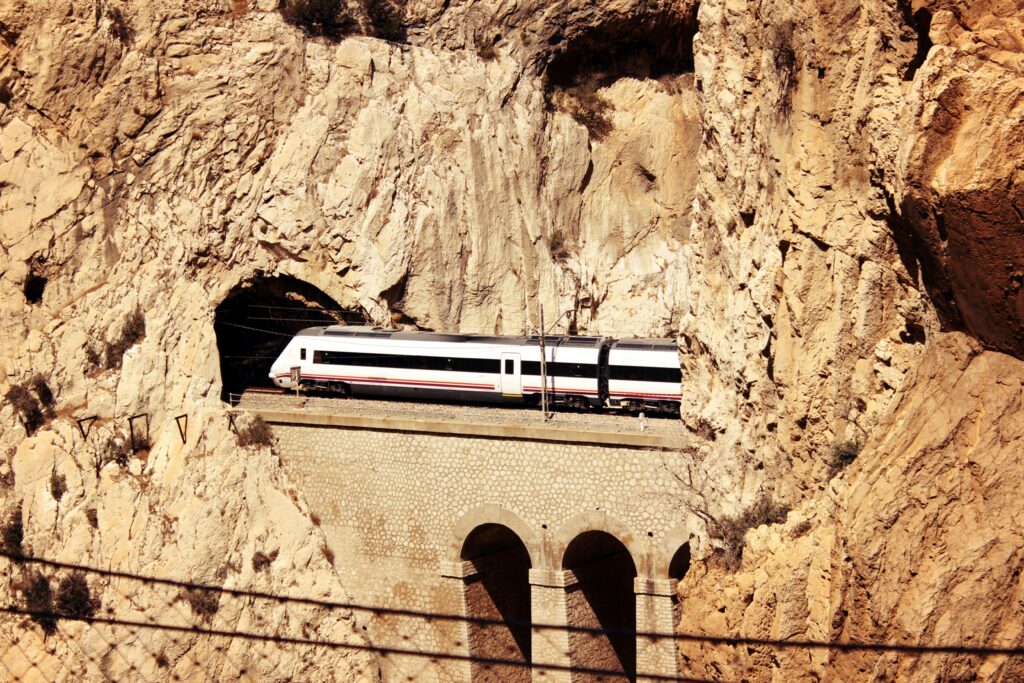
Understanding Transport Strikes in Spain
Transport strikes in Spain can be more than just a nuisance; they are often a way for workers to voice their concerns about wages, working conditions, and government policies. While navigating through unexpected transport issues can be stressful, a little preparation and knowledge can go a long way. So, whether you’re a tourist soaking in the vibrant culture or a local on the go, let’s dive into some smart travel tips to help you handle these disruptions like a pro.
Stay Informed: The Knowledge is Power
First things first—information is your best friend when it comes to dealing with strikes. Here’s how to keep a pulse on what’s happening:
Follow Local News
Spanish newspapers and websites like El País provide daily updates on strikes and transportation issues. Download local news apps, or follow social media channels related to transport services. You might even want to consider following tourist forums where locals and travelers share real-time updates.
Use Travel Apps
Apps like Google Maps or Citymapper can be incredibly handy. They often have alerts for public transport disruptions. Check them often; a quick glance can save you a lot of time!
Alternate Transport Options
Sometimes you need to think outside the box—when the usual routes aren’t available, you’ve got plenty of alternatives. Here are some options:
Walking is Always an Option
In cities like Barcelona or Madrid, many attractions are within walking distance. Exploring on foot not only helps bypass transport issues but allows you to soak in the local culture. Just remember, wear comfy shoes—blisters are not fun!
Ride-Hailing Apps
Services like Uber and Cabify are widely available and often provide a less stressful alternative if public transport is compromised. Prices may vary, so keep an eye on surge pricing, especially during peak times.
Bicycle Rentals
If you’re feeling adventurous, renting a bike can be a great option. Many Spanish cities are bike-friendly, and there are bike-sharing services like Bicing in Barcelona. Just be cautious—traffic can be hectic!
Timing is Everything
If you know a strike is coming, planning your day around it is vital. Here’s how to manage that:
Adjust Your Schedule
Try to schedule crucial activities like airport transfers or important meetings during the “off-peak” times, ideally in the hours when strikes may not be in effect. Early mornings or evenings can sometimes prove less chaotic.
Leave Early
If you can, give yourself a time cushion. Strikes can pop up unexpectedly, so leaving early for the airport or an important appointment minimizes stress. It’s better to be waiting at the gate than scrambling at the last moment.
Embrace the Local Culture
When faced with a transport strike, embrace the chance to discover things you might not have otherwise. Here’s how:
Explore Nearby Attractions
If your transport options are limited, take this opportunity to dig deeper into local culture. Perhaps there’s a great cafe or an art gallery just a short walk away that you can explore while waiting for services to resume. You might find hidden gems that aren’t in the typical tourist guides!
Talk to Locals
Don’t hesitate to ask locals for advice. The Spanish are generally friendly and more than willing to help a traveler in need. They might suggest alternative routes or upcoming festivals to check out while you’re stuck.
Be Flexible and Patient
Alright, let’s face it—strikes are annoying. But adapting your mindset can make your travel experience much more enjoyable:
Keep a Positive Attitude
A day gone awry might lead you to a delightful experience, or at least a funny story to tell your friends later. Embrace the quirky unpredictability of travel. It’s all part of the adventure, right?
Practice Patience
Frustration can easily escalate when things don’t go as planned. Take a deep breath, and give yourself some grace. Bring a book or some music, and settle in for a bit. Sometimes just allowing yourself to pause is the best course of action.
Plan for the Worst Case
Finally, it never hurts to have a backup plan. Here’s what to consider:
Know Your Rights
Familiarize yourself with transportation regulations regarding strikes. If you have pre-booked tickets for trains or flights that are affected, knowing your rights can help you navigate the issue smoothly. Some companies offer refunds or alternative travel arrangements when services are disrupted.
Have Emergency Contacts Ready
Keep a list of local contacts at hand, such as the hostel or hotel where you’re staying and reliable taxi services. If things go sideways, a quick call can help you get back on track.
Final Thoughts
Transport strikes can throw a wrench in your travel plans, but understanding how to navigate them can effectively turn a potential headache into an unexpected adventure. Stay informed, be flexible, and embrace the unique challenges of traveling in Spain. Here’s to hoping your travels are smooth—well, as smooth as they can be!
Related: Looking for more handy travel tips? Check out our guide on Traveling Responsibly in Europe!
**Related Reading:** – [Related: How to Plan a Solo Trip on a Budget] – [Related: Top Destinations for First-Time Solo Travelers] **#SoloTravel #Navigate #Transport #Strikes #Spain #Smart #Travel #Tips**