

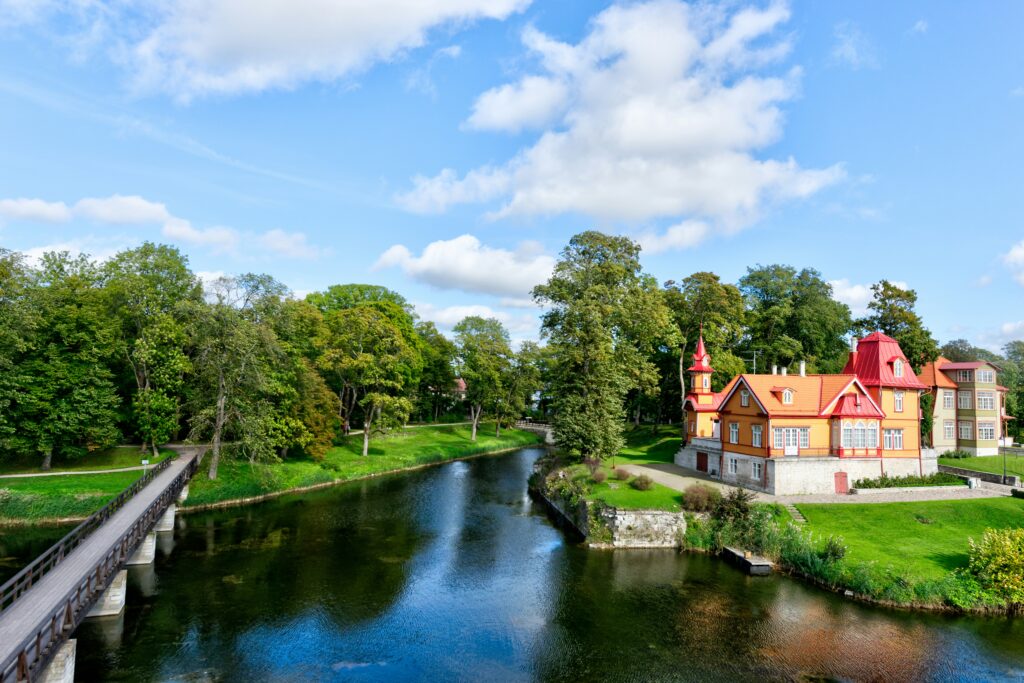
Understanding the Estonia-Russia Border
Traveling between Estonia and Russia can be an adventure, filled with rich cultures and beautiful landscapes. However, keeping tabs on border closures is crucial for a smooth journey. Instead of getting caught off guard, you can stay updated through several online platforms that provide real-time information on border statuses. So let’s dive in and find out how to use these resources effectively.
Why Do Border Closures Occur?
Before we get into the specifics of where to find information, let’s take a brief detour into why borders might close. Various factors can play a role. For instance, changing political climates, public health concerns, or even inclement weather can lead to sudden roadblocks. It’s not just about travel; it’s about safety. Keeping informed can save you a lot of headaches later on.
Sites That Offer Real-Time Updates
1. Government Websites
The most reliable sources for border information are government websites. For Estonia, the Ministry of Foreign Affairs provides updates on border situations and travel advisories. Navigating there is pretty straightforward:
- Estonian Ministry of Foreign Affairs: Their section usually has timely information on border status. Just look for the travel advice area. It’s often updated frequently, so don’t skip checking it before your trip.
For Russia, similar protocols apply. While the Russian Foreign Ministry’s website can be a bit harder to navigate, it’s worth a look.
2. Social Media Updates
Social media platforms can be surprisingly useful. Don’t underestimate the power of hashtags or local news outlets!
Twitter: Follow the official accounts of border control agencies or local news channels. They’re often quicker to alert the public than formal channels. Set up alerts for tweets related to border updates—this way, you won’t miss an important announcement.
Facebook Groups: There are specific travel groups that keep their members informed about real-time situations at the borders. Joining a few relevant groups could provide you with instant updates from fellow travelers.
3. Travel and Navigation Apps
A couple of travel apps feature real-time border updates:
Waze: Though primarily a navigation tool, users often report live conditions. You may find warnings about closures posted by other travelers in the area, which can help you reroute on the fly.
Google Maps: Google’s service has integrated features that show you if a border might be closed or delayed. Just type “Estonia-Russia border” into the search bar, and it should give you a real-time snapshot of the situation.
What to Do If You Encounter a Closure
Sometimes closures happen with little to no warning, leaving you in a tight spot. So, what can you do? Here’s a little roadmap to handle such situations.
Stay Informed
Whenever you hear there might be a closure, keep checking all the resources mentioned above. The updates tend to change quickly, so it’s worth it to keep refreshing your feed.
Alternative Routes
Consider research on alternative routes. Traveling isn’t just about getting from point A to point B; sometimes the detours lead you through charming little towns where you can have a great meal or get a glimpse into local life! Use maps to explore nearby crossing points.
Plan Ahead
Before your trip, have a plan B in mind. Even if the main border is open, you might want to have an alternate route ready. This gives you peace of mind, knowing that should anything come up, you’re not left scrambling.
Tips for Seamless Travel
Here are a few travel tips that can smoothen your overall experience at the Estonia-Russia border:
1. Have Your Documents Handy
Always double-check that you have your passport and any necessary visas. You wouldn’t want to arrive only to face more delays due to missing paperwork. It’s worth checking—just in case.
2. Currency Exchange
Consider having both euros (for Estonia) and rubles (for Russia) on hand. This can make any spontaneous stops easier—no need to search for currency exchange every time you need a snack.
3. Stay in Touch
Make sure friends or family know your travel plans. In the event that your journey runs later than expected, a quick message can reassure them that everything’s okay.
Staying Calm in the Chaos
Traveling can often feel like a juggling act, particularly when dealing with unexpected closures. But take a deep breath. Most of the time, these situations can lead to unexpected adventures, if you’re willing to embrace the uncertainty.
And let’s be honest, the journey itself often becomes as memorable as the destination. Whether it’s enjoying a scenic view during a detour or striking up a conversation with fellow travelers at a border checkpoint, those moments can really make the trip worthwhile.
Final Thoughts
Staying updated on border conditions between Estonia and Russia doesn’t have to be a daunting task. With a few reliable resources and some preparation, you can navigate the complexities smoothly. Make use of government websites, social media updates, and travel apps to ensure you’re always in the know. And remember, flexibility can turn a challenge into an adventure.
For more tips on travel and border crossings, check out this Related: blog post on travel hacks. Safe travels!
**Related Reading:** – [Related: How to Plan a Solo Trip on a Budget] – [Related: Top Destinations for First-Time Solo Travelers] **#SoloTravel #Sites #Show #RealTime #EstoniaRussia #Border #Closures**