

Your Ultimate Guide to Camping Legally in Norway
Norway is a dream destination for outdoor enthusiasts, with its breathtaking landscapes and rich culture. But before you grab your tent and head for the hills, you might be wondering: how far must I camp from houses legally? Understanding the regulations isn’t just about avoiding fines—it’s also about respecting local communities and the natural environment.
Understanding the Right to Roam
Norway has a unique tradition known as allemannsretten, or the right to roam. This principle allows everyone to enjoy nature freely, with a few guidelines and precautions.
Basic Principles of Allemannsretten
Under this right, you can camp on uncultivated land, but there are some important caveats:
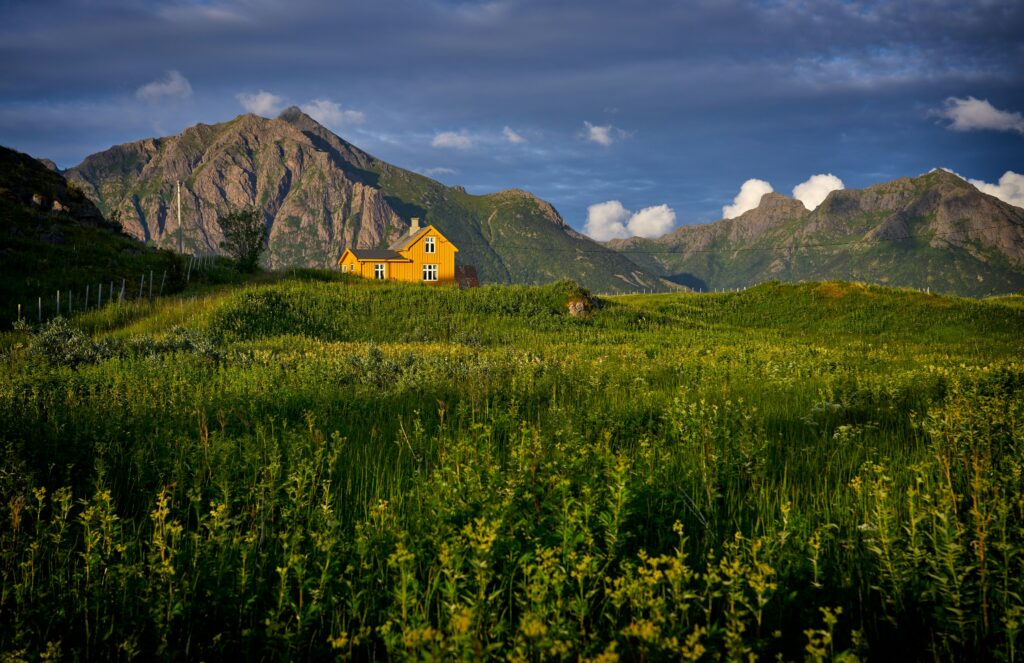
- Distance from Homes: You need to camp at least 150 meters from the nearest house or cabin. This rule is in place to ensure privacy for residents.
- Short Stays: You can generally pitch your tent for a maximum of two nights in one spot, provided you’re on non-cultivated land.
- Respect Nature: Always adhere to the “leave no trace” principles—take all your rubbish with you and avoid damaging flora and fauna.
- Stay Off Cultivated Land: Avoid fields, gardens, and any private property unless you have explicit permission.
Choosing the Right Campsite
While the right to roam gives you a lot of freedom, the choice of campsite matters. Here are some tips for picking the ideal spot:
Avoiding Pristine Areas
Norwegian landscapes are often stunningly beautiful but also fragile. Stay clear of areas that might be in conservation or are heavily trafficked, which could be disrupted by campfires or human presence. Think lush forests, serene lakes, but not the heartbeat of tourism.
Safety First
Always consider your safety and that of others. Check local wildlife guidelines—camping near known bear habitats, for example, may not be the best idea. Also, Wi-Fi can be spotty, so let someone know where you’ll be!
Accommodations Near Urban Areas
Camping close to urban centers can be a different ball game. Make sure you’re aware of local regulations:
Urban Camping Do’s and Don’ts
- In cities, camping is often restricted to designated areas. Many urban parks have specific zones where tents are allowed.
- Contact local tourist offices for information on nearby campsites. They often have direct recommendations and may even provide maps!
- Check local ordinances: Some places have fees for camping, while others may have a curfew or restrictions on campfires.
What If You Encounter Local Residents?
If you happen to camp near a home and the residents approach you, keep it friendly. Often, locals will appreciate your respect for their space, and many may offer tips or even invite you in for coffee. After all, Norwegians are known for their hospitality!
Best Regions for Camping
Now for the fun part—where to pitch your tent! Here are a couple of regions that are particularly popular among campers.
Fjordlands
The fjords offer stunning views and great spots to camp. Just remember to keep that 150-meter distance from any houses!
Eastern Norway
Known for its forests and hiking trails, this region features many locations where legal camping is allowed. Popular areas include the Oslo region and the Hedmark district.
In Conclusion
Camping in Norway can be an incredible experience, as long as you respect the laws and the land. With the right knowledge and approach, you can enjoy everything this beautiful country has to offer—without stepping on anyone’s toes.
So, pack your gear, hit the roads, and immerse yourself in nature. Remember, adventure is waiting just beyond the next mountain!
Happy camping!
**Related Reading:** – [Related: How to Plan a Solo Trip on a Budget] – [Related: Top Destinations for First-Time Solo Travelers] **#SoloTravel #Houses #Camp #Legally #Norway #Guide**