

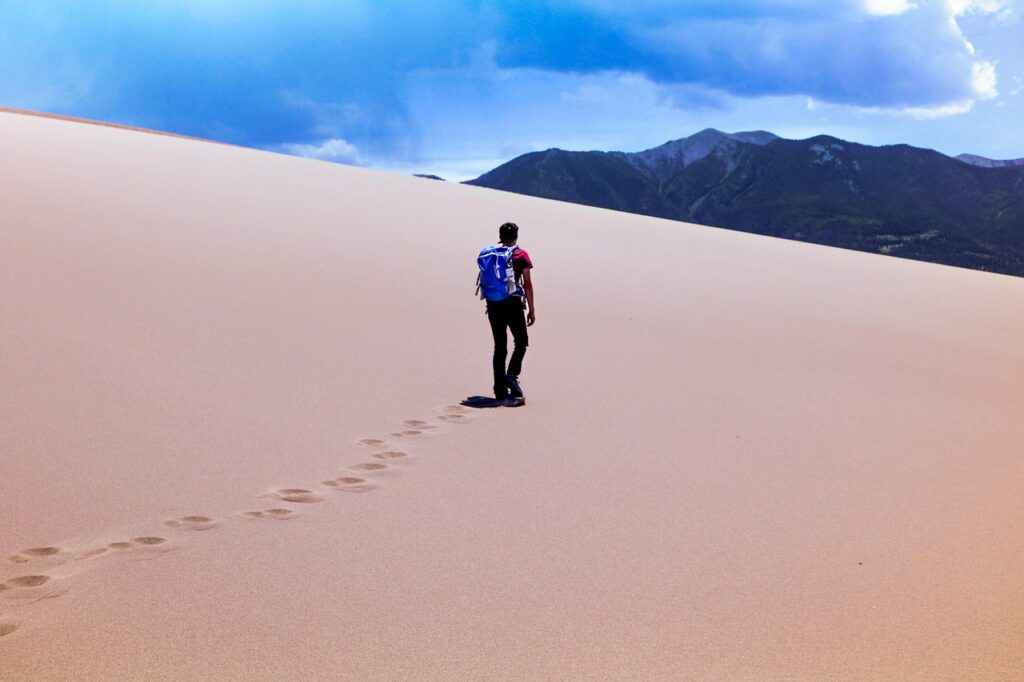
On my first backpacking trip, I felt a mix of excitement and terror. I had my map and gear, but I also had no clue where I was going. The wilderness was beautiful, yet daunting. If I had reliable guides, I could have avoided so much stress. That experience taught me the importance of finding trusted resources for planning remote backpacking adventures.
This blog post is here to share the top seven reliable resources for finding guides. Whether you’re a newbie or a seasoned traveler, these will help you prepare for your next journey. Let’s keep it real—having the right information can make or break your trip.
1. Backpacker Magazine
This magazine has been around for a long time and is packed with tons of useful info. They offer field-tested gear reviews, trail tips, and route suggestions. I’ve used their online articles to plan many trips.
What I love about Backpacker Magazine is their realistic advice. They focus on what works in the real world, not just what looks good on paper. Check their website for destination guides and expert tips that’ll actually help you in the wild.
2. AllTrails
AllTrails is one of my go-tos for finding hiking routes. With a huge database of trails, you can filter by difficulty, length, and user ratings. It’s all user-generated content, so you get real-life feedback.
The best part? You can download maps for offline use. No cell service? No problem. Plus, reading the reviews helps you get a feel for what to expect, from water sources to difficulty levels.
3. Local Outdoor Shops
Here’s the thing—local shops often have insider knowledge. Staff members are usually passionate about the outdoors and can give you on-the-ground info. They might even recommend lesser-known trails or hidden gems.
If you’re near a town with a hiking culture, pop into one of these shops. Don’t hesitate to ask questions. They live and breathe this stuff and will likely be more than happy to share.
4. Outdoor Forums
Online forums like Reddit’s r/Backpacking and r/Hiking are gold mines for advice. You can post questions and get replies from seasoned backpackers. Real people share their experiences, including what worked and what didn’t.
But here’s the catch: take everything with a grain of salt. You’ll get a variety of opinions. Still, it’s a great way to gauge the current conditions on trails or get gear recommendations.
5. YouTube Channels
Watching YouTube videos can be super helpful, especially for visual learners. Channels like “Kara and Nate” or “REI” often showcase their adventures and provide valuable tips. You can see gear in action and learn about various trails.
Plus, it’s a lot more entertaining than reading a blog post. Just make sure to look for channels with credible backgrounds in outdoor adventures.
6. Meetup Groups
Connecting with others who share your love for the outdoors can be rewarding. Websites like Meetup.com offer groups focused on hiking, camping, and backpacking. Joining a local group can introduce you to experienced backpackers who are willing to share their knowledge.
You might even find a trip buddy. Having someone with more experience can make your adventures smoother and more enjoyable.
7. Guidebooks
While online resources are great, sometimes you can’t beat a good old-fashioned guidebook. Books like “The Ultimate Hiker’s Gear Guide” or “Lonely Planet’s Hiking Guides” offer reliable info and insights you might not find online.
These books often cover safety tips, local wildlife, and must-see landmarks. Plus, no worrying about losing your phone battery!
Putting it All Together
When planning your remote backpacking adventure, it’s key to gather information from multiple sources. Each has its strengths. The goal is to build a well-rounded perspective on the area you want to explore.
Remember, this isn’t just about the destination. It’s about enjoying the journey and feeling confident in your plans. Take some time to research, ask questions, and prepare. You’ll be glad you did.
In the end, don’t let uncertainty hold you back. The thrill of exploring new trails often outweighs the challenges. So gear up, do your homework, and hit the trails. Happy backpacking!
**Related Reading:** – [Related: How to Plan a Solo Trip on a Budget] – [Related: Top Destinations for First-Time Solo Travelers] **#SoloTravel #Top #Trusted #Resources #Finding #Reliable #Guides #Remote #Backpacking #Adventure**