
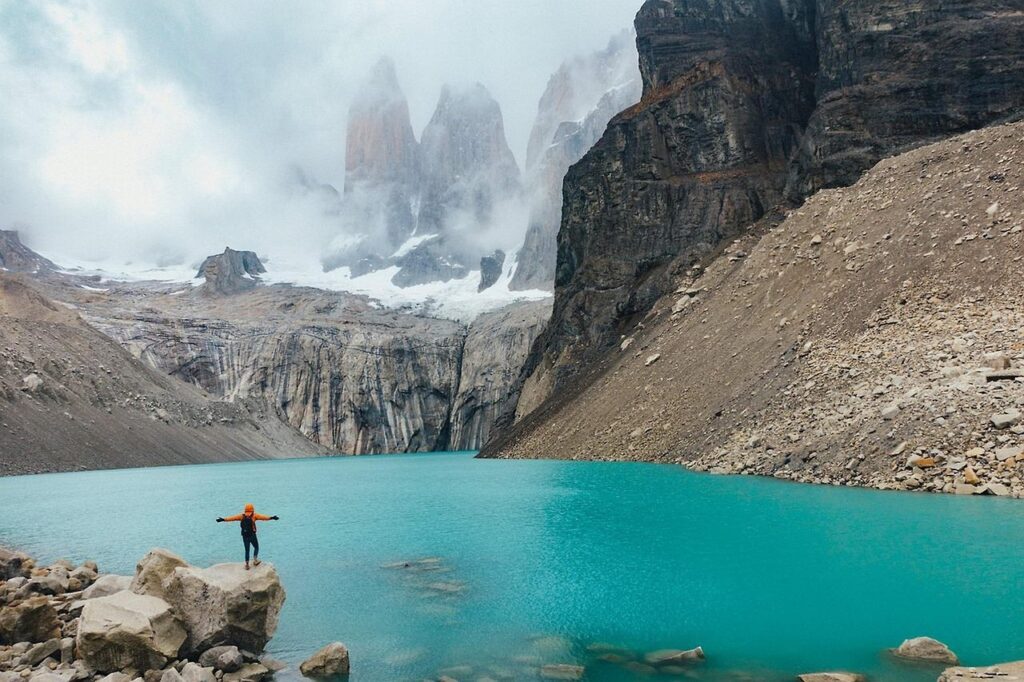
When I first landed in Santiago, Chile, I felt a mix of excitement and nerves. The vibrant streets, the delectable food, and the breathtaking views had me buzzing. But as I stepped out, I was faced with a crucial decision: cash or credit card? It’s a common dilemma for travelers, but I quickly learned that the right choice could make or break my trip. Here’s what you need to know about using cash and credit cards in Chile.
Why This Matters
Your payment method can impact your experience. Understanding the differences between cash and credit cards will save you time and stress. Plus, it can help you avoid hidden fees. Let’s break it down.
Cash: The Old Reliable
Using cash might feel old-school, but it’s still super relevant in Chile. Here’s the deal.
Where to Use Cash
Smaller shops, local markets, and some restaurants may only accept cash. If you’re venturing into Santiago’s vibrant street markets, bring cash. The vendors appreciate it, and you might snag better deals.
Currency and Withdrawal
The currency in Chile is the Chilean peso (CLP). ATMs are plentiful, especially in cities. Withdraw a decent amount when you arrive. This will cover your immediate expenses like transportation and meals. Just be aware of ATM fees; they can vary.
The Case for Credit Cards
Using a credit card is super convenient. Let’s dig deeper.
Where to Use Credit Cards
Credit cards are widely accepted in hotels, restaurants, and larger retailers. If you’re planning to stay in upscale places or dine at fancy restaurants, you’ll want your card. Just remember to inform your bank before you travel to avoid any hiccups.
Foreign Transaction Fees
Check your card for foreign transaction fees. Some cards charge a percentage for transactions abroad, while others don’t. If you plan to use your card often, look for one that waives these fees. This can save you a chunk of change.
Challenges of Each Method
Both cash and credit cards have their downsides. Here’s the scoop.
Cash Drawbacks
Carrying large amounts of cash can feel risky. If you lose your wallet or get pickpocketed, you’re in trouble. Plus, dealing with change can be annoying. Chilean pesos can vary greatly in denominations, and keeping track can get tricky.
Credit Card Drawbacks
Not every restaurant or shop will take cards, especially in more rural areas. Also, network issues can leave you in a lurch. Imagine trying to buy a bus ticket only to find out the machine is down. That’s not fun.
Recommendations
So, what should you do? Here’s my two cents.
A Balanced Approach
I recommend a mix of both methods. Withdraw some cash for local experiences while keeping your credit card handy for bigger expenses. This way, you’re covered no matter what.
ATM Tips
When using an ATM, choose to be charged in the local currency. If you select your home currency, the exchange rate will often be worse. Stick with the local peso to save money.
Staying Safe
Safety is key, so take precautions.
Keep It Under Wraps
Only carry what you need. Leave extra cash and your card in a secure place, like a hotel safe. It’s better to risk a smaller amount than everything.
Monitor Transactions
Keep an eye on your transactions. Check your bank app regularly for any suspicious charges. If something looks off, contact your bank immediately.
Conclusion
Navigating cash and credit cards in Chile doesn’t have to be a pain. By understanding the pros and cons of each method, you can tailor your payment strategy to fit your trip. A little planning goes a long way. So, get out there and enjoy all that Chile has to offer!
Need to know more about navigating Chile? Check out this [Related: guide on local customs](https://example.com/local-customs-chile) for more helpful tips.
**Related Reading:** – [Related: How to Plan a Solo Trip on a Budget] – [Related: Top Destinations for First-Time Solo Travelers] **#SoloTravel #Cash #Credit #Cards #Chile #Traveler #WorryFree #Trip**