

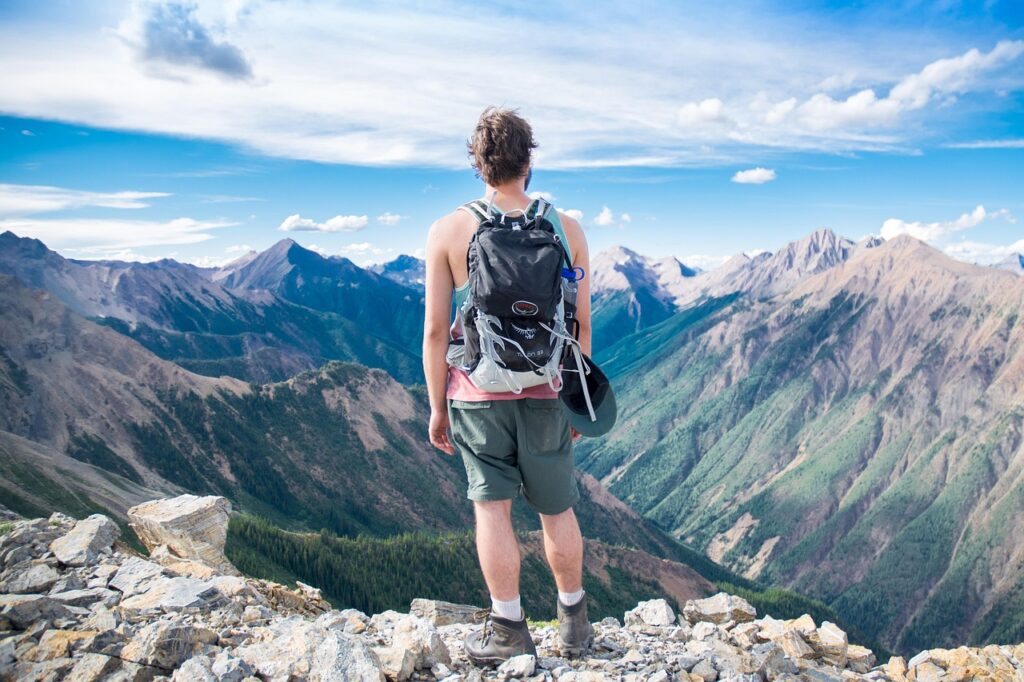
High in the Andes, I stood on the brink of a breathtaking vista. The air was thin, and I could feel my heart racing. Just a few months prior, I was huffing and puffing my way through a trek in Colorado, where altitude sickness hit me like a truck. I learned the hard way how important it is to prepare for high-altitude adventures. That’s why I want to share these essential tips to help you prevent altitude sickness on your next trek.
Altitude sickness, or acute mountain sickness (AMS), can ruin an otherwise fantastic experience. It happens when you climb too fast without allowing your body to adjust to the decrease in oxygen. Understanding this will make your trip not just enjoyable, but safe. Let’s get into the ten essential tips to keep altitude sickness at bay.
1. Ascend Gradually
Here’s the thing: your body needs time to adjust. If you’re heading to a peak higher than 8,000 feet, try not to gain more than 1,000 feet in elevation per day. This slow approach allows your body to acclimatize. If you can, add an extra day to your plan just to chill at a certain altitude. Your lungs will thank you.
2. Stay Hydrated
Dehydration can worsen altitude sickness. Drink plenty of water—at least three to four liters a day. When you’re at high altitude, you lose fluids faster through sweat and breathing. Electrolyte drinks can help too. Avoid alcohol and caffeinated drinks, as they can dehydrate you further.
3. Eat Carbs
Your body craves fuel when trekking at high altitudes. Focus on a diet rich in carbohydrates. Foods like whole grains, fruits, and veggies can help you feel more energized and are easier to digest. Protein is important, but carbs are your friends here.
4. Know the Symptoms
Recognizing the early signs of altitude sickness can save you. Common symptoms include headaches, nausea, fatigue, and insomnia. If you start to feel these, don’t brush them off. It’s crucial to listen to your body. If symptoms worsen, it’s a sign to descend.
5. Consider Medication
Talk to your doctor about taking acetazolamide (Diamox) before your trip. This can help prevent altitude sickness and is especially useful if you have a history of AMS. Make sure to follow your doctor’s recommendations and consider this as a preventive measure.
6. Acclimation Days
If possible, add acclimation days into your itinerary. Spend a couple of days at a lower elevation before heading higher. This gives your body a chance to adapt. For example, if you’re heading to 12,000 feet, stay around 9,000 feet for a day or two before the big ascent.
7. Travel with a Kit
Carry a small altitude sickness kit when you trek. Include medications, band-aids, and even ginger candies for nausea. Having your essentials handy can make a big difference in your comfort level. Plus, you’ll feel more prepared for whatever comes your way.
8. Tempo Matters
Slow and steady wins this race. Don’t rush your ascent. Take breaks and maintain a steady, comfortable pace. This allows your body to adapt and can help ease fatigue. Enjoy the views, and remind yourself that it’s not a race.
9. Breathe Deeply
Your breathing patterns change at high altitudes. Opt for slow, deep breaths to maximize oxygen intake. This can help calm your body and mind, reducing anxiety. Inhale for a count of four, then exhale for a count of four. It may sound simple but can significantly help during tough treks.
10. Be Informed
Finally, educate yourself about the area you’ll be trekking in. Knowledge about the altitude limits and acclimatization rates can help you plan better. Research forums and blogs like [Traveling To High Altitude](https://www.example.com) for insights from others who’ve been there. The more informed you are, the better prepared you’ll feel.
Altitude sickness doesn’t have to be a part of your high-altitude trekking experience. By following these tips, you can set yourself up for a safer and more enjoyable adventure. Remember, it’s about enjoying the journey, the stunning views, and the experiences you’ll have along the way.
So, gear up, take it easy, and don’t let a bit of elevation scare you off. Adventure awaits—now go out there and make memories!
**Related Reading:** – [Related: How to Plan a Solo Trip on a Budget] – [Related: Top Destinations for First-Time Solo Travelers] **#SoloTravel #Top #Essential #Tips #Prevent #Altitude #Sickness #HighAltitude #Trek**