

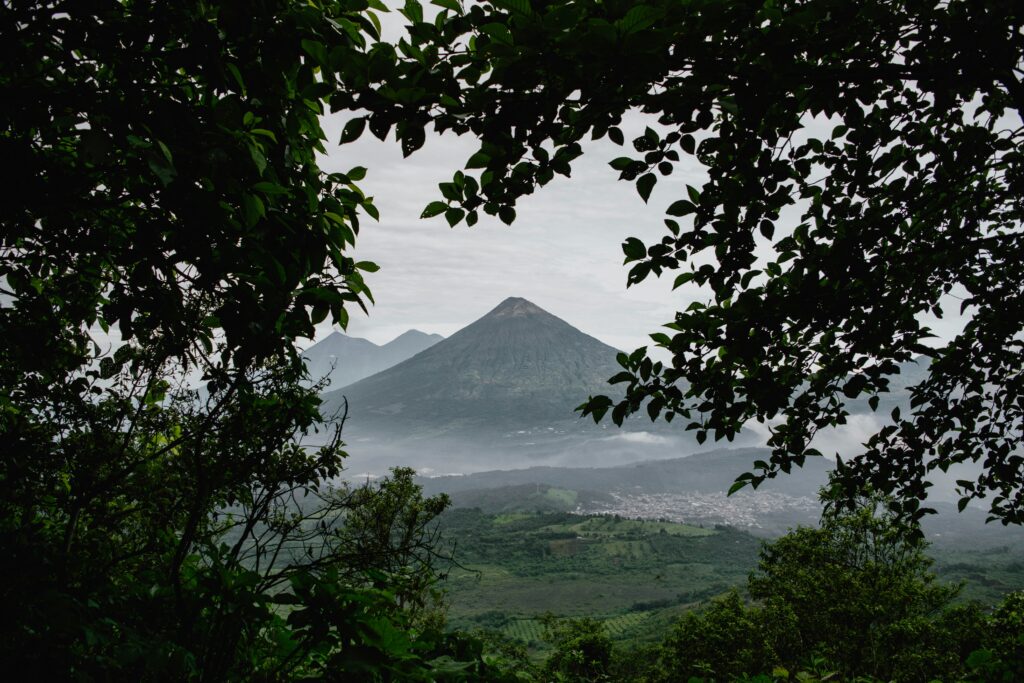
Overview of Acatenango: A Journey Worth Taking
Acatenango is more than just another volcano; it’s a breathtaking experience that many adventurers dream of conquering. Nestled in Guatemala, it’s famous for its stunning views, challenging hikes, and of course, the vibrant eruptions of its neighbor, Fuego. However, along with this beauty comes a bit of a drawback: altitude sickness. If you’re planning to scale Acatenango, tackling altitude sickness head-on is key to enjoying your journey. Let’s dive into some essential strategies to help you make the most of your adventure.
Understanding Altitude Sickness
First off, it’s essential to get a handle on what altitude sickness is. Essentially, as you ascend, the amount of oxygen in the air decreases. For many, this can lead to symptoms like headaches, nausea, dizziness, and even fatigue. The higher you climb, the riskier it becomes—especially if you ascend over 2,500 meters (about 8,200 feet). So, that idyllic hike could quickly turn disastrous if you’re not prepared.
Know the Symptoms
Before we jump into strategies, knowing what to look out for is important:
- Headaches: A common early sign.
- Nausea or vomiting: This can be a game-changer.
- Dizziness or lightheadedness: Especially when standing up quickly.
- Fatigue or weakness: You may feel more tired than usual.
If you start feeling any of these symptoms, don’t panic. The key is to take action quickly.
Essential Strategies for Reducing Altitude Sickness
1. Acclimatize Before You Climb
One of the best ways to prevent altitude sickness is to give your body time to adjust. If you can, spend a day or two at a moderate altitude before tackling Acatenango. This could be as simple as hanging out in the nearby town of Antigua for a while. Trust me, this little bit of patience can go a long way in making your climb much more enjoyable.
2. Stay Hydrated
Hydration is crucial. You might think you’re drinking enough, but once you hit higher elevations, your body loses water faster than you’d expect. Aim for at least 3-4 liters a day. Drinking water often helps you stay ahead of dehydration—a common contributor to altitude sickness. Try to fill up your water bottle whenever you can, especially before you start your ascent.
3. Watch Your Diet
Your diet plays a role too. Focus on consuming high-carb foods, as they’re known to provide energy without putting too much stress on your body. Think whole grains, fruits, and veggies, but don’t load up on heavy meals right before your climb. Light, frequent snacks will keep your energy up without weighing you down.
4. Take It Slow
This one’s a no-brainer but often ignored in the moment. Pace yourself—there’s no need to rush! If you feel yourself getting out of breath, stop, take a breather, and enjoy the view. Plus, the slower you go, the more you can soak in the breathtaking landscapes.
Gear Up for Success
Having the right gear is essential—not only for comfort but to help you prevent altitude sickness. Here are a few must-have items:
- Good Quality Hiking Boots: Ensure they’re broken in to avoid unnecessary blisters.
- Lightweight Layers: Temperature can change rapidly as you climb. Layers help you adjust easily.
- Sun Protection: Sunglasses, sunscreen, and hats are crucial; the sun can be brutal up there.
Know When to Descend
It can be hard to admit when you’re feeling unwell, but understanding your limits is part of being a responsible adventurer. If you experience severe symptoms like an intense headache or sustained nausea, descending to a lower elevation can help. Remember, taking care of yourself is more important than conquering a peak.
A Quick Look at Medications
If you’re particularly worried about altitude sickness, some people find that preventative medications, like acetazolamide (Diamox), can be helpful. If you decide to go this route, consult your healthcare provider ahead of time. It’s always better to be safe than sorry!
Reflecting on the Experience
Once you reach the summit, despite the struggles, take a moment to drink it all in. The view—the fresh air—the sense of achievement is worth every sore muscle. Sometimes life leads to those breathtaking moments right after the struggles. Celebrating your accomplishment while reflecting on the journey can be profoundly fulfilling.
A Note on Safety
While you’re navigating your adventure, keep in mind that some trekker guides also have their own methods for dealing with altitude sickness. Consider familiarizing yourself with reputable local guides who can provide valuable insights and assistance on the trail. They know the area like the back of their hand and can be lifesavers in a tricky situation.
Your Adventure Awaits
With these strategies in hand, you’re better equipped to tackle Acatenango and all its glorious heights. After all, it’s not just about reaching the summit; it’s about the journey and making memories along the way. Embrace every step, and you’ll both conquer the climb and enjoy the breathtaking views awaiting you.
So, what are you waiting for? Pack your bags, hydrate well, and embark on your adventure. Acatenango is waiting, and trust me, it’ll be worth it.
Related: Discover more tips for climbing Acatenango!
**Related Reading:** – [Related: How to Plan a Solo Trip on a Budget] – [Related: Top Destinations for First-Time Solo Travelers] **#SoloTravel #Essential #Strategies #Effortlessly #Reduce #Altitude #Sickness #Acatenango #Ultimate #Guide #Thrilling #Adventure**