

Introduction
Planning a hiking adventure in Guatemala? That’s great! The country is known for its stunning landscapes, rich culture, and of course, its impressive volcanoes. But before you pack your gear and hit those trails, let’s dig into an essential question: are volcano hikes in Guatemala dangerous? Spoiler alert: it’s a bit of a mixed bag. In this blog post, I’ll walk you through everything you need to know to make your hike safe and enjoyable.
Understanding the Terrain
First things first—Guatemala is home to several active volcanoes, with Pacaya, Fuego, and Atitlán being the most popular among hikers. Each offers a unique experience, but the level of danger varies.
Active vs. Dormant Volcanoes
When considering safety, it’s vital to distinguish between active and dormant volcanoes. An “active” volcano has erupted recently and could do so again. In contrast, dormant volcanoes haven’t erupted in a long time but could still pose risks.
- Pacaya: This is the most accessible and popular hike. It has frequent eruptions, but they are usually mild and not dangerous for hikers. Guided tours often allow you to get close enough to see lava flows.
- Fuego: Known for its spectacular eruptions, Fuego is a more serious contender. It’s also one of the most active volcanoes in Central America. While the views are breathtaking, the hike requires caution and often a guide.
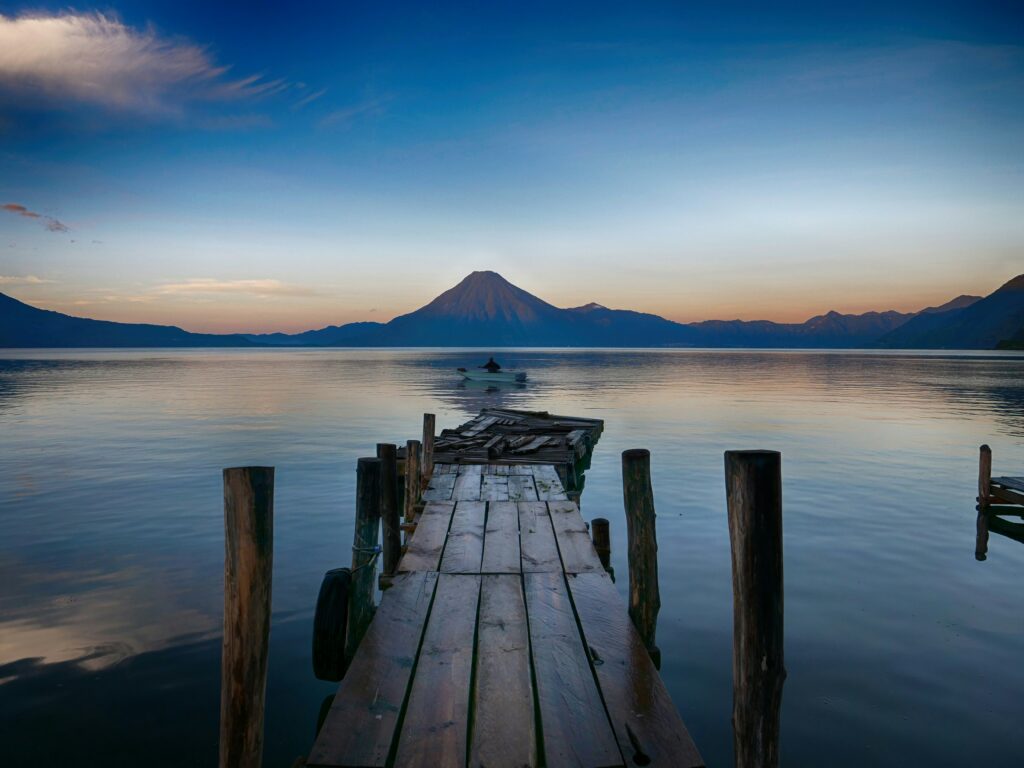
- Atitlán: This volcano isn’t active, but the hike can still be steep and challenging. The views of Lake Atitlán from the summit are absolutely worth it, especially at sunrise.
Safety Precautions
Now that you know a bit about the different volcanoes, let’s focus on safety precautions. Hiking in Guatemala can be as thrilling as it is risky if you’re not prepared.
Guided Tours vs. Solo Hiking
If you’re a novice hiker—or even if you’re a seasoned pro—consider joining a guided tour. Local guides are familiar with the terrain, weather patterns, and potential hazards. Plus, they can add fascinating insights about the landscapes and history.
Going solo? That’s okay too, but make sure you connect with other hikers or locals to understand the trail conditions and weather before you set out. Always inform someone about your hiking plans.
Understanding Weather Conditions
Weather can change rapidly in Guatemala. One moment, you might be enjoying sunny skies, and the next, you’re caught in a heavy downpour. Always check the forecast and be prepared for sudden changes.
Essential Gear to Pack
The right gear can make a world of difference. Here’s a quick checklist of essential items to bring along:
- Sturdy Footwear: Invest in good hiking boots to keep your feet protected and comfortable.
- Rain Gear: Waterproof jackets or ponchos are lifesavers during sudden rain showers.
- Water and Snacks: Keep yourself hydrated and energized throughout your hike.
- First Aid Kit: A basic first aid kit is essential for treating any minor injuries.
- Navigation Tools: A map or GPS device can be incredibly useful.
Potential Hazards of Volcano Hikes
So, what exactly makes hiking these magnificent mountains potentially hazardous? Here are some things to consider:
Volcanic Activity
The biggest concern is, of course, volcanic activity. While many hikes are safe, eruptions can happen unexpectedly. Stay updated through reliable sources or consult with your guide about the volcano’s current activity level.
Terrain Challenges
Volcanic landscapes can be tricky. Loose rocks, steep inclines, and rough paths are all part of the adventure. Keep an eye on your footing and be cautious during your trek.
Altitude Sickness
Some hikes are at high elevations, and altitude sickness can sneak up on you. If you start feeling dizzy, nauseous, or extremely fatigued, it’s best to take a break or descend. Listening to your body is key.
Famous Volcano Hikes
Let’s take a look at a couple of notable hikes that stand out for their beauty and unique experiences:
Pacaya Volcano
This is often the go-to for first-time visitors. The hike is about 2-3 hours and allows you to see some active lava. One tip—if you’re lucky, you might even roast marshmallows over the hot spots! Just remember, getting too close to lava is dangerous, so always follow your guide’s instructions.
Volcán de Fuego
For those looking for a challenge, hiking Fuego offers stunning views, but it’s not for the faint-hearted. The trek can be strenuous, and you’ll need to keep an eye on volcanic activity. But the panoramic views from the summit? Absolutely worth it. Just ensure you go with a guide who knows the area well.
Final Thoughts
Hiking volcanoes in Guatemala can be one of the most exhilarating experiences of your travel journey. Are they dangerous? Well, yes, but with proper preparation and awareness, you can mitigate a lot of those risks. Glorious views, unforgettable moments, and a solid sense of accomplishment await you on these trails. Would you look back and think, “What an adventure!”
For more tips on outdoor activities in Central America, check out our [Related: hiking trails in Central America]. Happy hiking!
**Related Reading:** – [Related: How to Plan a Solo Trip on a Budget] – [Related: Top Destinations for First-Time Solo Travelers] **#SoloTravel #Volcano #Hikes #Guatemala #Dangerous #Adventure**