

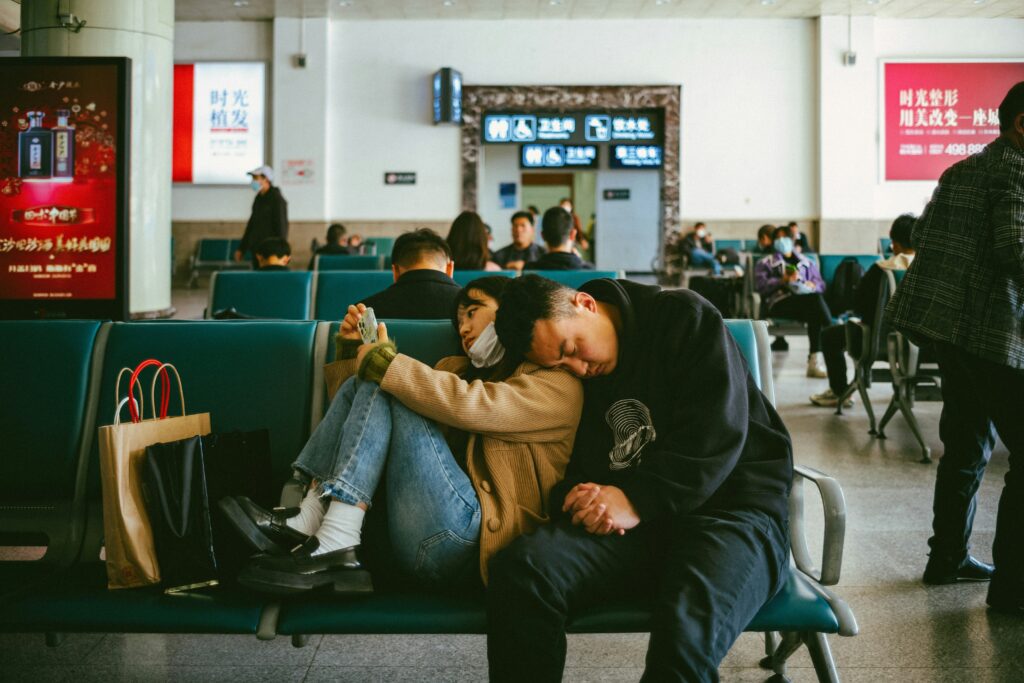
Understanding Jet Lag
So, you’re back home from an exciting trip, but instead of feeling rejuvenated, you’re dragging like a sloth after a long night out. Jet lag—it happens to the best of us! Simply put, it’s your body’s rude awakening due to crossing time zones. When you travel, your internal clock gets all confused, and that’s where the trouble begins.
How Time Zones Mess with Your Head (And Body)
Our bodies are governed by something called circadian rhythms, which are like little biological clocks that dictate our sleep-wake cycles. Imagine swapping them out like you’d change the battery in a remote control. Well, doing that when you travel can stir up a cocktail of fatigue, irritability, and all-around sluggishness. It’s tougher when you travel east, as you lose hours. Boosting your wellness on the road means figuring out how to beat that beast.
Traveling East vs. West: Which Is Harder?
Quick answer? Traveling east is generally trickier. When you head east, say from New York to London, you are “losing” time. Your body feels like it’s time for bed at noon when, in reality, it’s 7 PM in your new time zone. Conversely, traveling west lets you gain time, which can feel a bit easier to adapt to.
The Science Behind It
Research shows that our biological clocks prefer to lengthen the day rather than shorten it. Think about it: staying up late feels a little more natural than waking up early. If you’re an early bird who loves sunrises—kudos to you! But for many, waking up at what feels like an ungodly hour can be more draining.
Practical Tips to Beat Jet Lag
Now that we’ve established that jet lag can be a pain in the neck, here are some tried-and-true tips for keeping your wellness journey on track.
1. Adjust Your Schedule Before You Leave
Start shifting your bedtime and wake-up time a few days before your trip. If you’re heading east, try going to bed just an hour earlier each night. It’s like easing into a warm bath instead of jumping into the deep end!
2. Stay Hydrated
Water is your best friend when you travel. Airplane cabins are notorious for being drier than the Sahara, and dehydration can amplify jet lag symptoms. Drink water like it’s your lifeline. Trust me, your body will thank you.
3. Use Light to Your Advantage
Light exposure significantly impacts our biological clocks. When you land during the day, soak up the sun! Natural light helps recalibrate your circadian rhythm. Conversely, if you arrive at night, dim the lights and limit screens. The darker, the better.
4. Plan Your Sleep Strategically
If you arrive and feel the urge to take a nap, allow yourself a short one—no longer than 20-30 minutes. Anything longer might leave you groggy instead of feeling refreshed. If you’re really struggling, restorative techniques like meditation or breathable yoga can help you ease into a new schedule.
5. Consider Sleep Aids Wisely
I know some people swear by melatonin or other sleep aids. If you’re considering this route, it’s wise to consult a doctor first. Everyone’s body reacts differently, and while it might work for some, it’s not a one-size-fits-all solution.
The Role of Nutrition
Eating right can also significantly impact how your body adjusts. After a long flight, opt for meals rich in complex carbohydrates and lean proteins. They release energy slowly and can help your body feel more stable in its new time zone.
Snack Smart
But hey, let’s be real. You might be tempted to dive into the airport pretzels or that complimentary snack box that just arrived. Satisfy those cravings with nuts, fruits, or yogurt. It’s a kinder choice for your system!
Long-Term Jet Lag Management
If you’re a frequent flyer, consider developing long-term strategies. The more you travel, the more you can refine your techniques. Experiment with what works best for you.
Stay Active
Regular exercise can do wonders for your sleep. Even a quick walk can help clear your head, lift your mood, and make it easier to adjust to new sleeping patterns.
Listen to Your Body
At the end of the day, remember: your body knows best! If you feel tired, allow yourself to rest without guilt. While we all want to explore our new surroundings, being too exhausted can turn an adventure into a chore.
Conclusion: Travel Smart, Travel Well
Ultimately, beating jet lag is about understanding your body and giving it the tools it needs to thrive while traveling. While traveling east may be a little tougher, using these strategies can help you turn those heady experiences into joyous, memorable adventures. So next time you pack your bags to explore far-off lands, remember these tips, and ease into your wellness journey. Safe travels!
Related: Jet Lag Recovery Tips
**Related Reading:** – [Related: How to Plan a Solo Trip on a Budget] – [Related: Top Destinations for First-Time Solo Travelers] **#SoloTravel #Ultimate #Guide #Beating #Jet #Lag #Traveling #East #Harder #Wellness #Journey**