
# The Ultimate Guide to SIM Card Coverage in Guatemala: Tigo vs. Claro for Worry-Free Travel
Traveling to Guatemala? You’re in for a treat! From the lush landscapes of Antigua to the stunning shores of Lake Atitlán, the country is brimming with natural beauty and vibrant culture. But here’s the thing—once you touch down, staying connected is essential, whether you’re looking for directions, sharing Instagram stories, or simply staying in touch with loved ones back home. This brings us to a crucial decision: Which SIM card should you choose? Tigo or Claro? Let’s dive in!
Understanding SIM Cards in Guatemala
When you arrive in Guatemala, picking up a SIM card isn’t just a smart move; it’s a lifeline. Both Tigo and Claro dominate the market, and choosing one over the other can significantly affect your travel experience. But don’t fret! We’re here to break it down for you.
1. Network Coverage
Here’s where the rubber meets the road: network coverage. Both Tigo and Claro have robust infrastructures, but their coverage areas might influence your choice depending on where you plan to go.
- Tigo: Known for excellent coverage in urban areas, Tigo shines in cities like Guatemala City and Antigua. If your travels mainly focus on these spots, you’ll likely enjoy smooth service most of the time.
- Claro: On the flip side, Claro claims extensive rural coverage, which can be a game-changer if you’re planning to venture off the beaten path. For example, places like Quetzaltenango (Xela) and natural parks often have dependable Claro signals.
2. Data Speeds
It’s not just about having signal; it’s also about how fast that signal is. Data speed can vary based on your location and network congestion. However, in general:
- Tigo: Users often report faster data speeds in city areas, with 4G LTE coverage widely available where you’d most need it.
- Claro: While Claro also provides 4G services, some users have noted occasional slowdowns in heavily trafficked areas. Still, their rural performance is commendable.
Pricing Plans
Let’s be honest—nobody wants to break the bank just to send a few messages or scroll through social media. Here’s how the pricing stacks up:
1. Tigo Pricing Structure
Tigo tends to offer flexible prepaid plans. They often run promotions where you can pick up a basic package for as little as $10 that includes a decent amount of data and calling minutes. If you’re planning to be online a lot, consider their bigger bundles that offer more gigabytes for a reasonable price.
2. Claro Pricing Structure
Claro’s pricing isn’t too far behind. Similar to Tigo, they provide prepaid plans which start at about $10. Their standout feature, however, is the availability of specific travel packages—if you’re just popping in for a few days, keep an eye out for those two or three-day tourist plans offering tons of data on a short-term basis. A little extra research here can save you bucks!
Usability and Convenience
Let’s talk about the nitty-gritty of usability. How easy is it to use these SIM cards once you get set up?
1. Buying the SIM
Both Tigo and Claro SIM cards are readily available at the airport, convenience stores, and company stores in major cities. You’ll typically need to show your passport to purchase one. This isn’t just a formality; it’s a safety regulation in Guatemala.
2. Setting Up Your SIM
Setting up your SIM card is generally straightforward. After inserting the SIM, you’ll receive an SMS guide with instructions on how to activate data and check your balance. Pro tip: if navigating in Spanish feels daunting, ask the salesperson for assistance; most speak some English and will happily guide you through the process.
Customer Service & Support
If something goes awry—like suddenly losing service or issues with your plan—customer support can make all the difference.
1. Tigo Customer Support
Tigo generally has a reputation for excellent customer service. They provide assistance through their physical stores and have a reliable hotline for troubleshooting issues.
2. Claro Customer Support
Claro also has a decent support system, although some travelers have reported mixed experiences. In bustling cities, you might have to wait in line at a store, so patience is key. Worth it? Absolutely, if you’re facing any connectivity issues.
Making Your Choice
Ultimately, the choice between Tigo and Claro will hinge on your itinerary. If you’re primarily sticking to cities, Tigo’s robust service could be your best bet. But if you’re venturing into the countryside, Claro’s rural network may win you over.
Both networks offer competitive prices and decent customer support. It might be wise to have a map of your travel plans handy when you make your decision. Remember, you’ll want your connection to be as stress-free as your adventures!
Final Thoughts
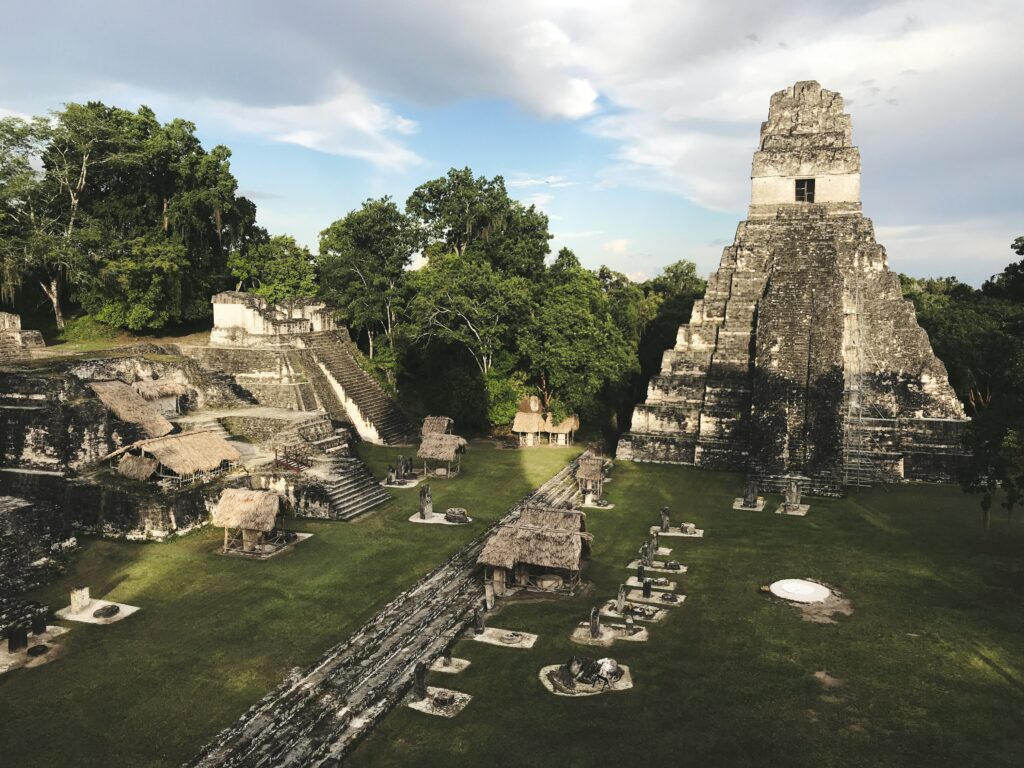
Picking the right SIM card while traveling is key to a hassle-free experience. No one wants to be scrambling for Wi-Fi when you’re standing in front of a stunning Mayan ruin or hiking the trails of Volcano Pacaya. And honestly, sharing those moments in real-time just makes them that much richer!
So weigh your options—Tigo or Claro? Either way, you’re bound to stay connected and make the most of your Guatemalan getaway.
For more travel tips and insights, check out [Related: our travel essentials guide for Guatemala](#).
**Related Reading:**
– [Related: How to Plan a Solo Trip on a Budget]
– [Related: Top Destinations for First-Time Solo Travelers]
**#SoloTravel #Ultimate #Guide #SIM #Card #Coverage #Guatemala #Tigo #Claro #WorryFree #Travel**