

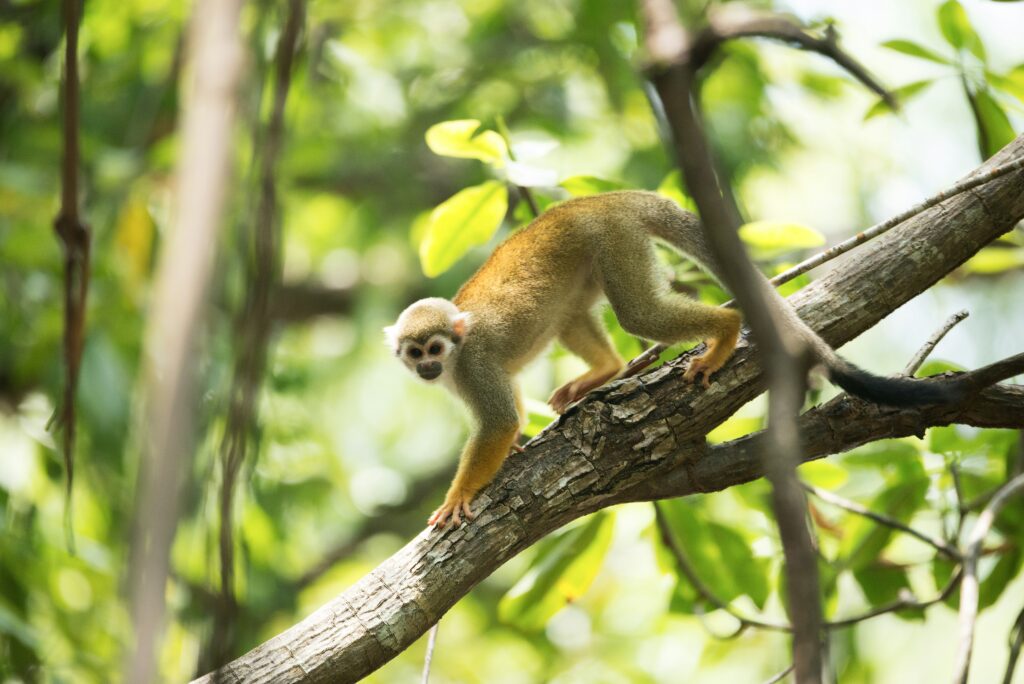
# The Essential Guide to Understanding Malaria Risks for Fearless Travelers in Suriname
So, you’re considering an adventurous trip to Suriname? That’s fantastic! With its lush rainforests, vibrant wildlife, and rich cultural heritage, it’s a hidden gem just waiting to be explored. Yet, before you take that leap into the unknown, let’s chat about something super important—malaria. I know, I know, it’s not the most exciting topic, but your health is paramount, right? Here’s everything you need to know about malaria risks to prep you for your journey.
What is Malaria, Anyway?
To put it simply, malaria is a disease caused by parasites that are transmitted through the bites of infected mosquitoes. It can lead to symptoms like fever, chills, headache, and nausea. In severe cases, if left untreated, it can be fatal. Oof, right? But don’t panic! By understanding the risks and taking some precautions, you can minimize your chances of getting it.
Why Suriname?
Suriname is located in the northeastern part of South America, and it’s unique—mainly because it’s one of the few places where you can experience untouched nature, making it a haven for nature enthusiasts. However, the lush environment that makes it stunning also makes it a prime breeding ground for those pesky mosquitoes. Areas near the rainforests, especially the interior regions, pose a higher risk of malaria.
Understanding Malaria Risk in Suriname
Which Areas are Most Affected?
In Suriname, the malaria risk is higher in the interior regions, particularly around places like Central Suriname Nature Reserve and areas near the Tapanahoni River. If you’re planning on hiking, camping, or visiting indigenous communities, you might encounter a risk of malaria. Conversely, the coastal areas like Paramaribo have a lower risk. Think of your itinerary and be strategic about your adventures.
When is Malaria Most Active?
Malaria-carrying mosquitoes are mostly active during the evening and at night. If you’re fangirling over the idea of night hikes or stargazing under a clear sky, just remember that this is when those little critters come out to play. Planning your activities during the day minimizes your risk significantly. But if you can’t resist the allure of the evening, be sure to prep.
Precautions: Stay Smart, Stay Safe
Vaccinations and Medications
While there isn’t a vaccine for malaria yet, antimalarial medications are available and can be quite effective in preventing the disease. It’s best to speak to a healthcare provider well in advance (a couple of weeks before your trip). They can prescribe a suitable medication based on your travel plans. The most common ones include Atovaquone-proguanil, Doxycycline, and Mefloquine. Each has its pros and cons, so be sure to follow your doctor’s advice.
Dress Smart
This might seem straightforward, but wearing the right clothing can go a long way. Opt for long sleeves, pants, and socks, especially in the evening. Choose lighter fabrics that are also breathable—it’s hot and humid in Suriname! Plus, treating your clothes with insect repellent can add an extra layer of protection.
Use Mosquito Repellent
Invest in a good mosquito repellent containing DEET, picaridin, or oil of lemon eucalyptus. Apply it generously to any exposed skin. Reapply it every few hours, especially if you’re sweating or swimming. It might feel a bit tedious, but you’ll be thankful when you’re not scratching bug bites!
Sleeping Arrangements
Let’s chat about where you’ll lay your head. When booking accommodations, opt for places that have screens on windows or air conditioning. If you’re camping, sleep under a mosquito net treated with insecticide. Trust me—nothing beats the peace of mind that comes with knowing you’re protected while you snooze.
Stay Informed and Ready
What to Do If You Get Sick
If you start feeling under the weather, especially with symptoms like a fever or chills, don’t brush it off! Head to a medical facility. Malaria can progress quickly, and early treatment is crucial. Carry your medications with you, and if you feel unusual symptoms, don’t hesitate. Better safe than sorry, right?
Have a Backup Plan
Traveling doesn’t come without its hiccups, and illness can be one of them. Make sure you have travel insurance that covers malaria treatment. Research local health facilities before you go, so you know where to seek help if needed. It’s a small investment toward a much safer and enjoyable trip.
Final Thoughts
While malaria might sound daunting, fear not! Being informed and taking precautions will allow you to enjoy all the marvels that Suriname has to offer. Picture yourself trekking through rainforests, spotting exotic wildlife, and immersing yourself in the rich culture—now, that’s what it’s all about. Just remember to keep those malaria risks in mind, stay aware, and your adventure will be one for the books.
For a deeper dive into health precautions while traveling in tropical countries, check out this Related: WHO guide on malaria. Safe travels!
**Related Reading:**
– [Related: How to Plan a Solo Trip on a Budget]
– [Related: Top Destinations for First-Time Solo Travelers]
**#SoloTravel #Essential #Guide #Understanding #Malaria #Risks #Fearless #Travelers #Suriname**