

# The Ultimate Guide: Do You Need Malaria Tablets for a Worry-Free Trip to Petén and Tikal?
So, you’re all set for an unforgettable adventure to Petén and Tikal, Guatemalan gems steeped in history and surrounded by lush landscapes. But before you pack your bags and dream of ancient ruins, there’s a practical question lingering in the back of your mind: Do you need malaria tablets for this journey? Let’s dig into that, shall we?
Understanding Malaria Risks in Guatemala
First off, it’s essential to grasp the malaria situation in Guatemala—particularly in the Petén region, where Tikal is located. The truth is, malaria is present in many areas of Guatemala, including Petén, and the risk is notably higher during the rainy season, which typically stretches from May to October.
Now, before you let panic set in, here’s a comforting fact: malaria is preventable. With a little understanding and some forethought, you can significantly lower your chances of contracting the disease. For example, did you know that sleeping under insecticide-treated mosquito nets and using repellents can drastically cut down those pesky bites? I mean, who wouldn’t want to skip the whole malaria thing?
Do You Need Antimalarial Medication?
This is where it gets a bit more personal. The CDC (Centers for Disease Control and Prevention) recommends that travelers to high-risk areas, including Petén, consider taking antimalarial medication. Typically, options like atovaquone-proguanil (Malarone), doxycycline, or mefloquine are mentioned. Your healthcare provider can help determine the best choice tailored to your health needs and travel itinerary.
But here’s the catch—taking these medications isn’t a “one-size-fits-all” situation. Some folks might experience side effects, especially with doxycycline. I’ve heard stories of travelers feeling a bit queasy or sun-sensitive after starting it. It’s definitely something to keep in mind when you’re scheduling your activities—sunbathing while feeling nauseous doesn’t sound appealing, right?
Scheduling Your Consultation
Before you make a decision, it’s wise to consult with a healthcare provider well ahead of your trip—maybe even a month or two in advance. This gives you time to get proper prescriptions, deal with any potential side effects, and ensure you’re covered when you hit the ground running at Tikal.
Non-Pharmaceutical Precautions
If you decide that antimalarial medication isn’t for you—or maybe it just doesn’t fit with your travel plans—don’t worry! There are several non-drug precautions that can keep you comfy and bite-free:
- Wear Light, Loose Clothing: Cover as much skin as possible, especially during late afternoon and early evening when mosquitoes are most active.
- Use Repellents: Apply an insect repellent that contains DEET or picaridin. They are effective and can provide hours of protection.
- Avoid Scented Products: Mosquitoes love sweet scents, so steer clear of fruity lotions and perfumes that might attract them.
- Manage Your Environment: If you’re staying in lodgings, look for places with screens on windows and doors. It’s a simple but effective barrier against insect intrusions.
Trust me, embracing these steps can make a world of difference—not just for malaria, but for overall comfort during your trip!
Specific Considerations for Tikal and Petén
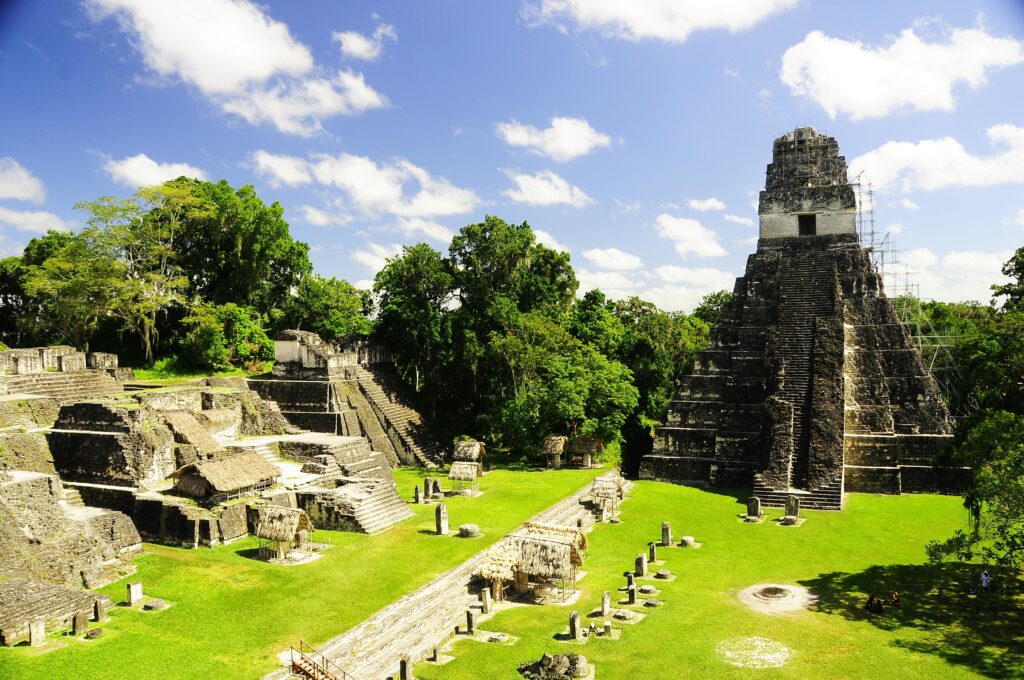
Visiting Tikal is like stepping back into the heart of the Mayan civilization, a magical experience that shouldn’t be overshadowed by health concerns. While the trails through the rainforest and the grandeur of the ruins are breathtaking, it also means you’ll be in close contact with the kind of environment mosquitoes thrive in.
When exploring Tikal, don’t hesitate to stick to the paths, avoid dense foliage, and take breaks in shaded areas when possible. You might even find that a pint-sized umbrella comes in handy—not just for shade but also for a pop of color in your travel photos!
If you’re camping or venturing into the wild, those precautions become even more crucial. It’s worth considering how your activities align with risk factors and how to mitigate them effectively.
Adjusting Your Itinerary and Emergency Plans
Should you choose to take malaria tablets or not, it’s also a smart idea to have an emergency plan in place. Know the location of the nearest medical facilities, just in case. It’s not about being overly anxious; it’s about preparedness. I mean, you’re there to enjoy, not to stress, right?
Before you go, loading up your smartphone with medical facilities’ contact details in Guatemala can save time if needed. And of course, consider travel insurance that covers health issues, ensuring you can focus on enjoying the breathtaking views of Tikal without a worry in the world.
Final Thoughts
As you plan your trip to the stunning Petén region, weighing the malaria tablet decision is undoubtedly essential. While the area has its risks, with proper planning and precautions, you can gaze upon the ruins of Tikal without letting fear taint your experience.
Whether you opt for antimalarials or take alternative measures, remember that a little preparation goes a long way. Enjoy the journey, embrace the wonders of the ancient world, and create memories that will warm your heart long after your trip is over.
For more information about staying healthy while traveling in tropical regions, check out this CDC travelers’ health site.
**Related Reading:**
– [Related: How to Plan a Solo Trip on a Budget]
– [Related: Top Destinations for First-Time Solo Travelers]
**#SoloTravel #Ultimate #Guide #Malaria #Tablets #WorryFree #Trip #Petén #Tikal**