

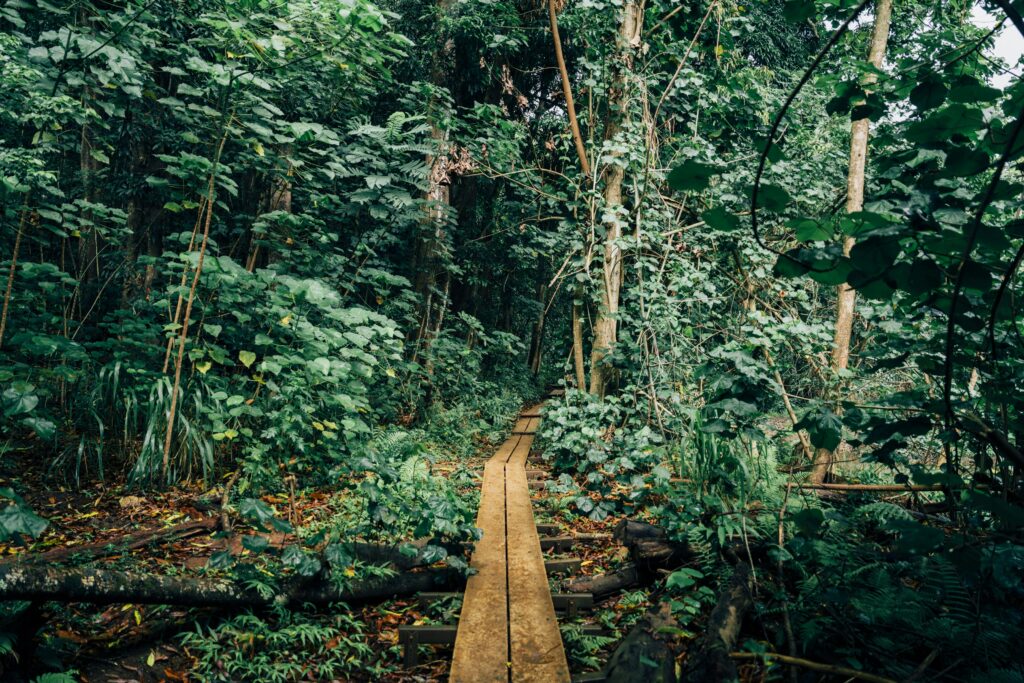
Traveling to Suriname can be an exhilarating experience filled with lush rainforests, vibrant culture, and warm hospitality. However, understanding the local climate, particularly its flooding seasons, is crucial for ensuring that your trip is as enjoyable as possible. In this guide, we’ll navigate through the best months to visit Suriname while shedding light on how to plan around potential flooding issues.
Understanding Suriname’s Weather Patterns
Suriname, nestled on the northeastern coast of South America, experiences a tropical rainforest climate. This means it’s pretty warm and humid all year round, but the real deal comes with the rainy seasons. Knowing when these occur can dramatically influence your travel experience.
The Rainy Seasons
There are two main rainy seasons in Suriname – the first spans from December to February, while the second stretches from April to August. During these months, heavy rains can lead to localized flooding, especially in urban areas and regions around the rivers. Areas like Paramaribo, the capital, can be affected by rainwater runoff, which may cause a bit of a mess.
What to Expect
When it rains, expect not just heavy downpours, but also increased humidity and possible disruptions in local transport. But hey, this isn’t all doom and gloom! Many travelers find the rain refreshing and invigorating. Plus, the landscape around you transforms into a green oasis, making for stunning photographs.
Best Months for Worry-Free Travel
If you want to dodge the rain while basking in Suriname’s beauty, the months from March to May and September to November are generally the best times for travel. Let’s break it down:
March to May: Ahead of the First Rainy Season
March marks the transition into drier months. The weather is usually warm but much less humid than the subsequent rainy months. Days are sunny, which is perfect for exploring the beautiful rainforests or enjoying the bustling markets in Paramaribo. April and May see a bit of rain occasionally, yet it’s manageable and won’t put a damper on your plans.
September to November: After the Flooding
September might still see some residual rainfall, but by October, the humidity drops and the dry season kicks in. This is a great time to explore the natural beauty of the interior regions, like the stunning Brownsberg Nature Park. November offers pleasant weather, ideal for outdoor activities like birdwatching and hiking.
Tips for Handling Flooding Risks
While planning your trip, you might want to consider a few practical tips to minimize the impact of potential flooding:
1. Stay Informed
Before and during your trip, keep an eye on local weather updates. Apps and websites offer real-time information which can help you adapt your travel plans accordingly. Social media channels for local tourism can also provide useful insights.
2. Choose Your Accommodations Wisely
Opt for hotels or lodges situated on higher ground. This can help ensure that you won’t be too affected by sudden flooding. It’s also a good idea to read recent reviews to check how well a place has handled past rainy seasons.
3. Be Flexible with Your Plans
Have a list of alternative activities in mind just in case your original plans get washed out (pun intended!). For instance, if you can’t hike a certain trail due to wet conditions, check out local museums or cultural centers instead. Suriname’s rich history is fascinating and worth exploring!
4. Dress Appropriately
Prepare for rain! Bring lightweight, waterproof gear and don’t forget comfortable footwear that can handle muddy conditions. Good hiking shoes or even simple waterproof sandals can save you from slipping in the mud.
Final Thoughts
Visiting Suriname can be a magical experience, whether you’re wandering through its serene rainforests or soaking in the diverse cultural offerings of Paramaribo. While flooding during the rainy season can pose challenges, it also presents a unique view of the lush landscapes and vibrant ecosystems.
Stay alert, plan ahead, and embrace the beauty that Suriname offers, no matter the weather. After all, sometimes a little rain can lead to the most unforgettable adventures.
For more travel insights about tropical regions, check out Travel Fun Tropical for tips and tricks on making the most of your getaways!
**Related Reading:** – [Related: How to Plan a Solo Trip on a Budget] – [Related: Top Destinations for First-Time Solo Travelers] **#SoloTravel #Ultimate #Guide #Surinames #Flooding #Essential #Months #WorryFree #Travel #Insights**