

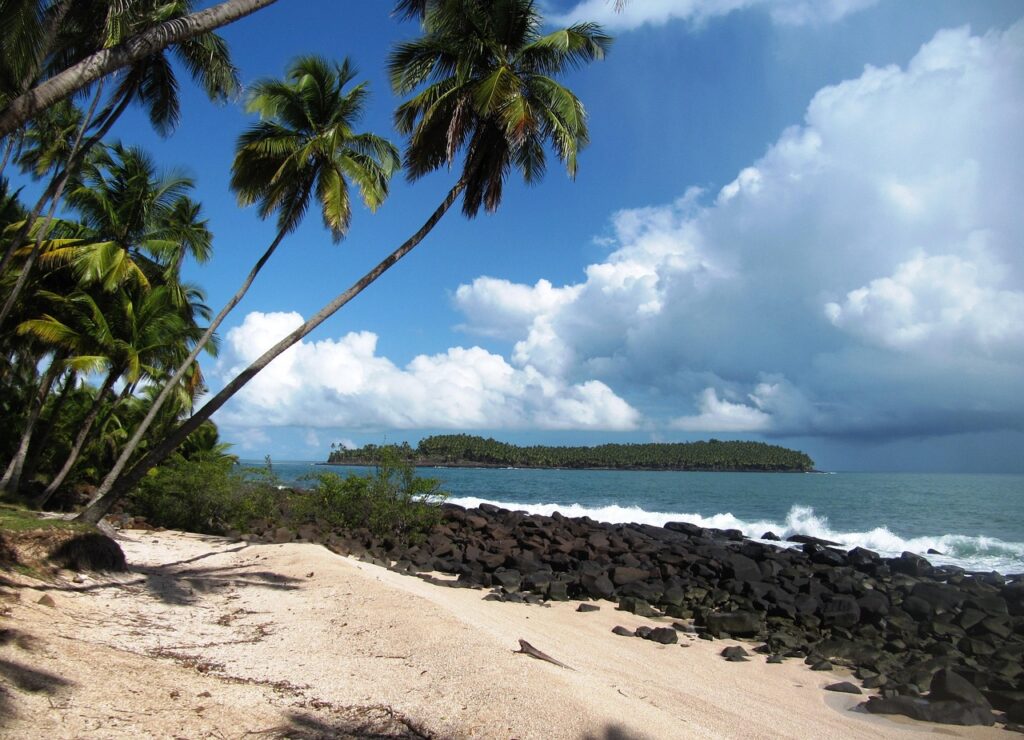
Introduction to Your Rainforest Adventure
Embarking on a journey into the lush canopies of Guyana’s rainforest is like stepping into another world. From the vibrant wildlife to the towering trees, every moment offers something new. However, there’s a pesky little detail you can’t overlook: mosquitoes. These tiny buzzers can transform your amazing trip into a scratching nightmare if you’re not prepared. So, let’s dive into how to keep those mosquitoes at bay, ensuring your adventure is as worry-free as possible.
Understanding Your Enemies: The Mosquitoes
Before tackling the how-tos of mosquito avoidance, it’s essential to understand who you’re dealing with. Mosquitoes thrive in warm, humid environments, making rainforests their ideal habitat. They are most active during dawn and dusk, so if you know when they’re out, you’ll have a leg up (pun intended). Here’s what you should know about them:
Life Cycle
A mosquito evolves through several stages—egg, larva, pupa, and adult. The adults are the ones we have to watch out for, especially the females, who require a blood meal for their eggs. If you happen to be near standing water, you might as well be holding a “welcome” sign for these critters.
Diseases They Carry
In Guyana, mosquitoes can transmit diseases like Zika, dengue, and malaria. While it’s unlikely that every mosquito you encounter will be a disease carrier, it’s always better to be cautious.
Essential Preparation
Having a solid plan is key. Here’s how to prepare for your trip, so you won’t end up being a walking buffet.
Choosing Your Clothing Wisely
Let’s talk fashion. Lightweight, long-sleeved shirts and pants are your best friends. Fabrics like nylon or polyester dry quickly and won’t weigh you down if rain hits. Plus, they provide a barrier between you and those little buggers.
- Colors Matter: Dark colors attract mosquitoes, while lighter hues do not. Pack a few long-sleeved shirts and pants in light shades. Think khakis, greens, and browns—they blend right in with the surroundings!
Invest in Mosquito-Repellent Gear
When it comes to repellent, you’ve got options. Permethrin-treated clothing can act as a shield, while topical repellents like DEET will serve as an added layer of protection. If you’re sensitive to chemicals, natural repellents such as those with lemon eucalyptus oil can work wonders too.
Spending Time Outdoors: Best Practices
Now that you’ve got your gear, let’s get into some on-the-ground tactics.
Time Your Activities
As mentioned earlier, mosquitoes are busiest at dawn and dusk. If you can schedule your explorations during the middle of the day when it’s hotter and drier, you’ll likely encounter fewer of them. Try to plan your hikes and activities accordingly. Nothing says ‘adventure’ like a midday trek through the rainforest!
Create an Impenetrable Fortress
When setting up camp or resting in any open area, remember:
- Choose Your Spot Wisely: Avoid sitting near stagnant water, as it’s a breeding ground for mosquitoes.
- Use Mosquito Nets: If you’re camping, investing in a good quality mosquito net is essential. It’s a small price to pay for peace of mind.
Natural Mosquito Deterrents
If you’re a fan of going the natural route, here are a few tricks that might just keep mosquitoes away.
Essential Oils
Citronella, lavender, and peppermint oils can act as natural repellents. You can create your own spray by diluting these oils with water and witch hazel. A few spritzes on your clothes or exposed skin can work wonders. Just make sure to reapply every couple of hours.
Herbs and Plants
Sometimes, nature knows best. Plants like marigolds and catnip are known to repel mosquitoes. Consider planting a few if you’re staying at a lodge; not only do they look pretty, but they also help keep the mosquitoes at bay!
Dealing with Bites: What to Do If You Get Bitten
Despite your best efforts, you might still fall victim to a mosquito bite or two. Here’s what to do:
First Aid Tips
- Ice and Elevate: A cold pack can reduce swelling.
- Over-the-Counter Relief: Hydrocortisone cream or antihistamines can help soothe irritation.
- Home Remedies: Aloe vera is great for healing skin, while baking soda mixed with water can alleviate itching.
When to Seek Medical Help
Most of the time, mosquito bites are harmless. However, if you experience unusual symptoms like fever, headache, or prolonged swelling, it’s essential to see a healthcare provider.
Staying Informed and Connected
Before you head off to the beautiful jungles of Guyana, it’s worth staying connected and informed.
Apps and Resources
Several apps provide up-to-date information on mosquito conditions in your area, especially important if you’re traveling during the rainy season.
- Related: Check out this guide on the top 10 mosquito-repellent apps for travelers for more information.
Final Thoughts
Enjoying the wonders of Guyana’s rainforest should be about the sights, sounds, and experiences—not about scratching bites. By preparing effectively and embracing some simple strategies, you’ll be able to make your trip all about adventure. Remember, the goal is a wonderful, worry-free time amidst the vibrant beauty of nature. So gear up, take a deep breath, and get ready for an unforgettable experience. Safe travels!
**Related Reading:** – [Related: How to Plan a Solo Trip on a Budget] – [Related: Top Destinations for First-Time Solo Travelers] **#SoloTravel #Ultimate #Guide #Effortlessly #Avoid #Mosquito #Bites #WorryFree #Rainforest #Adventure #Guyana**