
# Essential Guide to Travel Insurance for Thrilling Emergency Evacuations in Canada: Your Ultimate Coverage Options
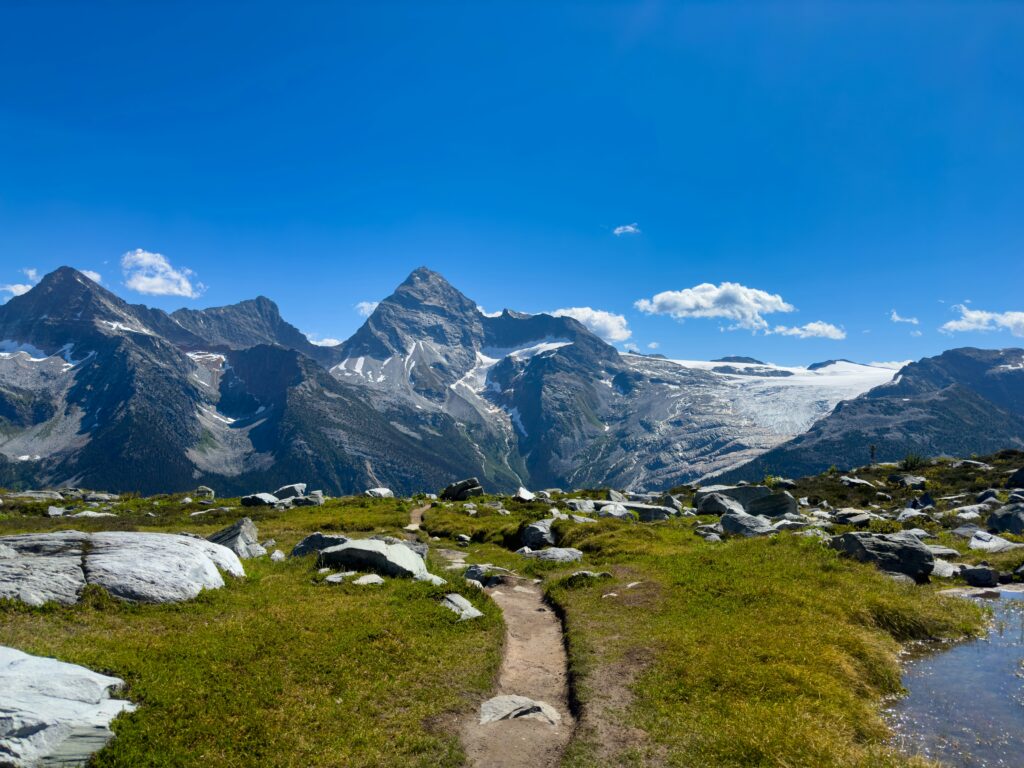
Traveling across the vast landscapes of Canada, whether you’re hiking in the Rockies or sipping coffee in a bustling Toronto café, presents countless possibilities. But if life throws a curveball, like a sudden illness or an unexpected natural disaster, you might find yourself wishing you had better preparedness. This is where travel insurance, particularly for emergency evacuations, becomes essential. Let’s dive into the nitty-gritty of getting the right coverage, ensuring your adventures remain thrilling, not disastrous.
Why Travel Insurance Matters
Imagine you’re on a beautiful trip through the Canadian wilderness, and suddenly, you face an emergency—maybe a serious injury while skiing or catching a harsh stomach bug. In these situations, the last thing you need is to worry about how to get out or the costs that might follow. Travel insurance is like your safety net, cushioning you against the financial fallout of unexpected events. It can cover anything from basic medical expenses to flight cancellations, but here we’ll focus on evacuation, a critical aspect of insurance that often gets overlooked.
What Is Emergency Evacuation Coverage?
Emergency evacuation coverage is specifically designed to handle scenarios where you need to be transported to a medical facility, sometimes even back to your home country. It’s crucial when you’re far from your usual healthcare providers and need assistance quickly. For instance, a backcountry hike that goes wrong might require rescue teams or a helicopter ride to a hospital. The costs can skyrocket fast, often running into tens of thousands of dollars, so having this coverage can save you financial heartache.
Types of Coverage to Consider
Travel insurance isn’t one-size-fits-all. Here are a few types of coverage you might look into:
- Medical Coverage: Covers treatment for illnesses or injuries while you’re away. Make sure this includes transportation costs if you need to get to a medical facility.
- Evacuation Coverage: Like we discussed, this covers costs for getting you to a hospital or back home in serious situations.
- Trip Cancellation/Interruption Insurance: Helps if an unexpected event (like a family emergency) makes it impossible for you to complete your trip.
- Accidental Death and Dismemberment Coverage: A grim thought, but it provides benefits to your beneficiaries in tragic situations.
Understanding the Fine Print
When it comes to travel insurance, the devil is in the details. Always read the policy to understand what’s included and what’s not. Look out for exclusions. For example, some policies won’t cover evacuations if the trip was deemed dangerous due to a known natural disaster risk. If you’re planning to ski, some insurers have exclusions related to winter sports. It’s essential to ask questions and clarify these details before signing anything.
Real-Life Examples
To paint a clearer picture, let’s say Sarah decided to hike in Banff National Park. Unfortunately, she was caught in a sudden snowstorm and slipped, injuring her leg. Thanks to her comprehensive travel insurance that included evacuation coverage, she not only received immediate medical attention but also had a helicopter arranged to take her back to the nearest hospital. Without that support, she’d have faced a major financial hit.
Another traveler, Mike, took a month-long trip across Canada. He didn’t opt for evacuation coverage, thinking it was unnecessary. While in Vancouver, he caught a severe case of food poisoning. The hospital bills piled up, and, not being able to return home, his situation turned financially stressful and upsetting. His experience serves as a valuable lesson: even seemingly minor issues can escalate quickly.
Choosing the Right Provider
With plenty of options available, selecting a trusted insurance provider is crucial. Here are a few tips for narrowing it down:
- Reputation: Look for companies that have solid customer reviews and reliable support systems. Services that offer 24/7 assistance can be lifesavers in crunch time.
- Flexibility: Ensure they provide options that can be tailored to your travel plans or activities, especially if you’re planning to take part in adventurous sports.
- Pricing: Get quotes from multiple providers but remember that the cheapest isn’t always the best. Look closely at what is covered.
Travel Insurance for Remote Areas
If your travels take you to more remote regions, such as the Yukon or parts of Newfoundland, it’s even more crucial to have good coverage in place. Some areas might not have immediate access to healthcare. In these situations, having a reliable insurance plan can make all the difference in your experience and, quite literally, your safety.
How to Purchase Travel Insurance
Purchasing travel insurance is straightforward, but be mindful of:
- Timeline: Try to buy your insurance shortly after booking your trip. This way, you may have coverage for cancellation reasons that could arise before your travel date.
- Customization: Consider your individual needs. If you’re planning on activities like zip-lining or white-water rafting, ensure your policy covers these risks.
- Document Everything: Keep all paperwork accessible. If you need to use your insurance, having your policy number and emergency contact saved easily could save you precious time.
A Quick Reminder
Travel insurance is not just about protecting your investment; it’s about ensuring your journey remains an adventure instead of a nightmare. Emergencies can happen anywhere, especially when exploring the expanses of Canada. Don’t skimp on this important coverage. It’s like having a trusty map by your side—you might not need it, but when you do, you’ll be glad you brought it along.
For an even deeper dive into the nuances of travel insurance, check out this excellent resource. It can further help clarify your options and what serves you best on your next adventure!
**Related Reading:**
– [Related: How to Plan a Solo Trip on a Budget]
– [Related: Top Destinations for First-Time Solo Travelers]
**#SoloTravel #Essential #Guide #Travel #Insurance #Thrilling #Emergency #Evacuations #Canada #Ultimate #Coverage #Options**