

Are Brussels, Antwerp, and Ghent Low-Emission Zones for Cars?
Traveling through Belgium can be a delightful experience; after all, who can resist the charms of Belgian waffles or the picturesque canals of Ghent? However, if you’re planning to navigate the cities of Brussels, Antwerp, and Ghent by car, there’s something you should know: these cities have implemented low-emission zones (LEZs) to improve air quality. Let’s dive into what that means for you as a traveler.
Understanding Low-Emission Zones
So, what exactly is a low-emission zone? In simple terms, it’s an area within a city where access by certain categories of vehicles is restricted based on their emissions. The aim is to reduce air pollution and encourage the use of cleaner transport options. That means if your vehicle doesn’t meet specific emission standards, you might have to park outside these zones or invest in a different way to get around.
Brussels: A Progressive Approach
The Heart of Belgium’s LEZ
Brussels has been at the forefront of implementing low-emission zones in Belgium. The city’s LEZ came into effect in January 2018. Vehicles are classified into different categories based on their emissions, and stricter rules apply as time goes on. As of now, diesel vehicles registered before 2011 are mostly banned from entering the city center. Gasoline vehicles have more lenient regulations but also face restrictions.
To avoid fines, it’s vital to check if your car meets the emission standards. If you don’t have access to a compliant vehicle, consider alternatives like public transport or even renting an electric car. Trust me, the metro in Brussels is quite efficient and allows you to focus on enjoying the view instead of stressing about parking.
Antwerp: A Car-Free Vision
Stepping Up the Green Game
Antwerp isn’t far behind when it comes to environmental initiatives. The city introduced its LEZ in 2017, aimed at improving urban air quality and promoting sustainable transport. Similar to Brussels, diesel vehicles that don’t meet emissions standards are restricted. But there’s a twist: Antwerp envisions a car-free city center where pedestrians can roam freely without the noise and pollution of vehicles.
If you’re planning to visit, make sure to check the current LEZ status and vehicle regulations. They update frequently, and it’s easy to overlook what’s allowed. There are many bike rental services available, making it a fun way to explore the city without getting caught in regulations!
Ghent: Citizen-Centric Initiatives
Creating a Breathable Atmosphere
As for Ghent, the city has taken impressive steps towards sustainability as well. Their low-emission zone has been in place since 2017, and it’s part of a broader strategy to enhance urban life quality. Similar to Brussels and Antwerp, Ghent’s regulations prioritize banning older diesel vehicles while encouraging electric and hybrid cars. It’s a little haven for those who treasure clear skies and fresh air.
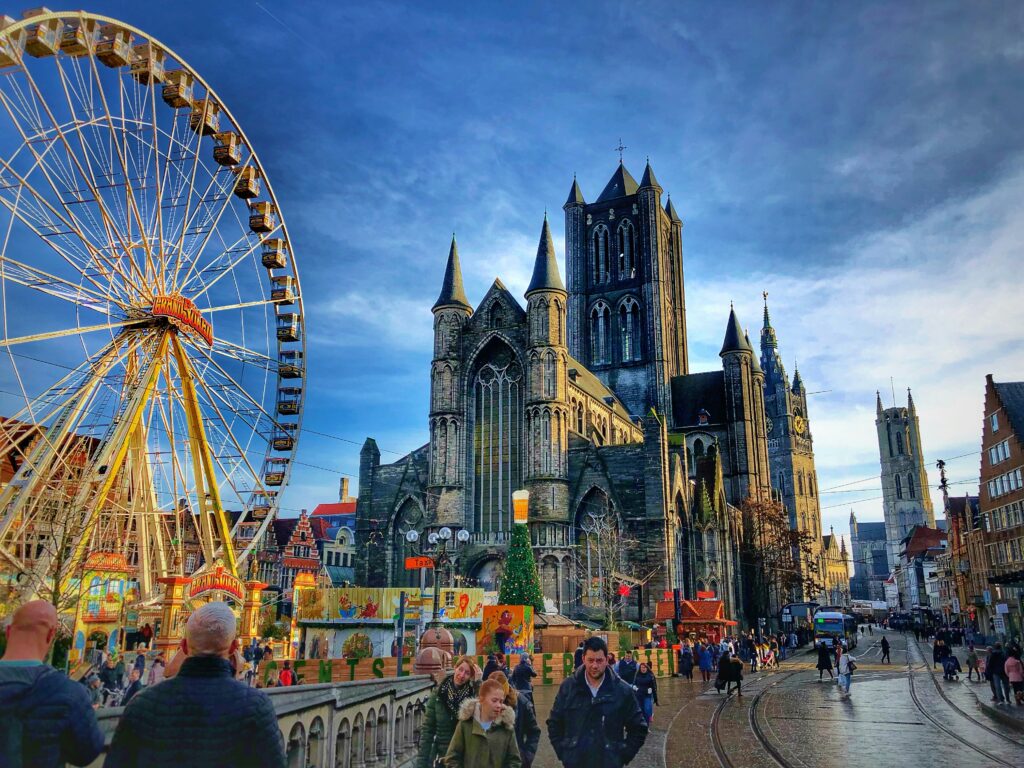
Ghent has also implemented car-free zones, particularly on the weekends, making it feel more like a charming, medieval town rather than a bustling city. So, if you’re wandering around, you don’t just get to enjoy the beautiful architecture but also breathe cleaner air.
What You Need to Know Before You Go
Check the Emissions Standards
Before heading to any of these cities, do your homework. Each city has its own set of rules, and it’s essential to check the specific emissions standards for your vehicle. Government websites often provide up-to-date information along with a handy vehicle registration tool. If you’re ever unsure, don’t hesitate to call local tourist information centers. They’re usually very helpful!
Transportation Alternatives
Using public transport is a fantastic way to experience Belgian culture while avoiding the hassle of car restrictions. Cities like Brussels and Antwerp have extensive tram and bus networks that can take you almost anywhere. And if you want some fresh air, renting a bike is also an option. It’s eco-friendly and allows you to discover the hidden gems of these cities at your own pace.
Planning Your Route
If you’re determined to drive, planning your route is key. Google Maps can help by showing you where the LEZs are located. You can set your route to avoid these areas, although, to be honest, that might take you on a bit of a roundabout journey. Alternatively, opt for park-and-ride services available just outside the city, which can save you both stress and cash.
Conclusion: Clean Air, Clear Choices
Visiting Brussels, Antwerp, and Ghent offers a kaleidoscope of experiences, but if you’re driving, staying informed about low-emission zones is crucial. These cities are committed to cleaner air and sustainability, and as a traveler, you can play a part in that journey.
Going green might seem like extra effort, but anything that helps you enjoy your trip while contributing to a healthier planet is worth it, right? Plus, the charm and vibrancy of these cities are well worth the little adjustments. So, pack your bags, and get ready to explore the beautiful streets of Belgium in a way that respects both the culture and the environment!
Related: For more tips on traveling through Belgium without a car, check out this guide on exploring without wheels.
**Related Reading:** – [Related: How to Plan a Solo Trip on a Budget] – [Related: Top Destinations for First-Time Solo Travelers] **#SoloTravel #Brussels #Antwerp #Ghent #LowEmission #Zones #Cars**