
Understanding the EES and Its Implications
If you’re planning to travel to Liechtenstein this year, you might be a bit concerned about the new Entry/Exit System (EES) being implemented in the Schengen Area. But don’t fret, you’re not alone in feeling a bit anxious about travel regulations and policies. Many travelers are wondering what changes may affect their ability to cross borders, especially with a small yet charming destination like Liechtenstein in sight.
The EES is designed to record entry and exit data of non-EU travelers. But let’s break it down—how does it really impact your trip?
What is the EES?
The Entry/Exit System is meant to streamline border management within the EU by creating a comprehensive database of non-EU citizens traveling to member countries. This system will digitally capture and store information—like names, travel documents, and fingerprints—for everyone who enters or exits the Schengen Area.
In simpler terms? It’s a way for EU countries to keep better track of who’s coming and going, making border checks more efficient. But it’s important to know that it’s not about making travel harder; rather, it aims to enhance your travel experience by reducing wait times and increasing security.
When Does EES Come Into Play?
The EES will officially launch in 2023, which means that your travels could be affected depending on when and how you choose to embark on your journey. If you travel before this system is in place, you won’t encounter any of these new protocols just yet.
However, once it becomes operational, here’s what you need to keep in mind:
Prepare for Longer Waits at Border Control: While the system aims to make things smoother in the long run, initial glitches are possible. Tapping into a new system takes time, and while border control technology is upgrading, be prepared for delays at checkpoints.
Fingerprint Scanning: Yes, you read that right. When you enter or exit, you’ll likely have to provide biometric data, which might feel a bit invasive. But remember, it’s all for ensuring your safety and streamlining the process.
Documentation Matters: Ensure that your travel documents are valid and that you carry all necessary paperwork. A missing signature here or an expired passport there could create hurdles, and you certainly want to avoid that, particularly when headed to a serene place like Liechtenstein!
Traveling to Liechtenstein: A Delightful Experience
Now that we’ve covered the ins and outs of EES, let’s chat about why Liechtenstein should be on your travel radar this year!
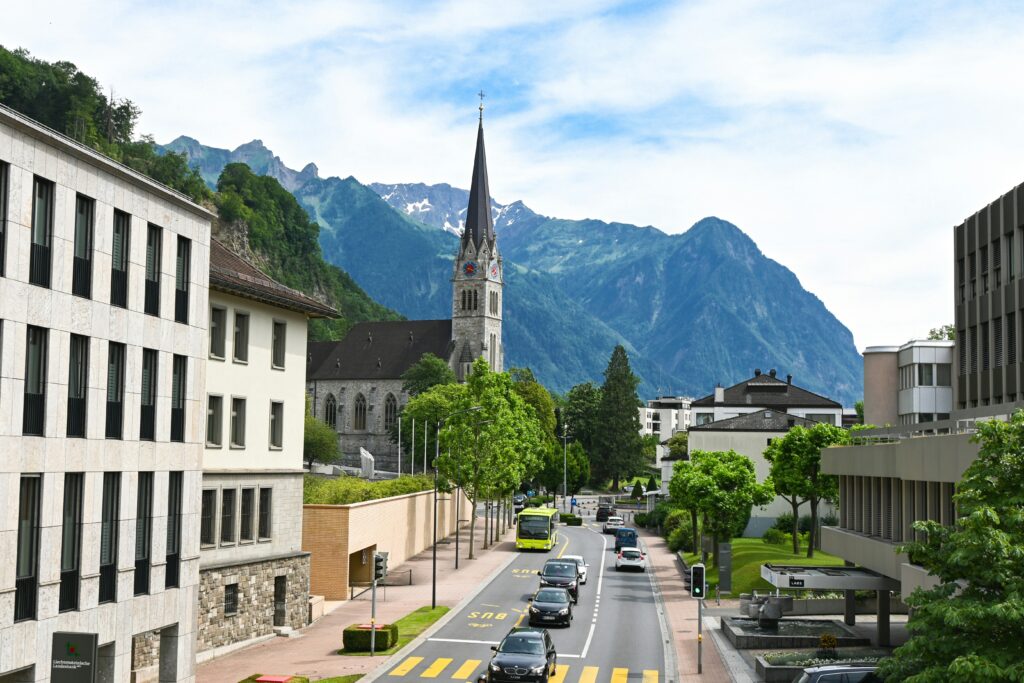
Nestled between Switzerland and Austria, this tiny principality offers breathtaking views, rich history, and a plethora of outdoor activities. Plus, it’s like stepping into a postcard—perfect for instagrams!
A Quick Look at Liechtenstein’s Attractions
You might wonder, “What’s there to see in a landlocked country this small?” Spoiler: quite a bit!
- Vaduz Castle: The iconic seat of the prince of Liechtenstein. It’s a stunning hilltop castle that gives you panoramic views of the Rhine Valley—definitely worth the hike.
- Malbun: If you’re into skiing, Malbun is the go-to winter wonderland. With well-groomed slopes and cozy lodges, it’s like your own snowy escape.
- Post Museum: A little off the beaten path but rich in history. It showcases the country’s postal history, which might sound mundane, but wait till you see those adorable stamps!
Why You Shouldn’t Wait on Booking
While the EES may prompt some travelers to put their plans on hold, here’s the deal: it could very well create a rush before and after the system’s implementation. It’s smart to book early, ensuring you snag your ideal accommodation, especially in peak periods like summer.
Imagine unwinding on a terrace with the Alps as your backdrop, a glass of local wine in hand, and the gentle murmur of nature surrounding you. Trust me, trips like this don’t come around every day; embrace the adventure!
Tips for Traveling Under the EES
As you prepare for your travel, here are some practical tips to help you navigate through the EES and enjoy your time in Liechtenstein:
Check Your Passports & Visas: Even a tiny shift in regulations can lead to big surprises. Ensure your passport is valid for at least six months past your return date and check if you need a visa.
Keep Your Documents Handy: Printed copies of your travel itinerary, insurance, and accommodation details can save you some scrambling at the border.
Be Patient: New systems take time to adapt to. So, take a deep breath and maybe have some calming music ready while you wait at border control!
Stay Updated: Keep an eye on updates related to EES as you plan your journey. Policies can change, and knowing what’s on the horizon will help you travel more confidently.
Consider Off-Peak Travel: If you can swing it, consider planning your trip during the shoulder seasons (late spring or early fall). Not only will the weather be pleasant, but you might also avoid the typical summer crowds.
Final Thoughts
Traveling to Liechtenstein this year presents a unique opportunity—new regulations aside. The breathtaking views, friendly locals, and serene environment await you, so don’t let the EES deter you from exploring this hidden gem in the heart of Europe.
While the EES adds some new steps to your travel checklist, a little preparation goes a long way. So, pack your bags,
make sure your documents are in order, and get ready for an unforgettable adventure!
Each journey comes with its bumps and turns, but they often lead to the most rewarding experiences. Liechtenstein, with its stunning landscapes and charming towns, is a destination that’s worth the effort.
Don’t miss out on indulging in local delicacies like Käsknöpfle, a kind of cheese noodle that’s sheer comfort food, or enjoy a wine tasting featuring some delightful local varieties that truly capture the essence of this region.
Safe travels and, as always, happy exploring!
**Related Reading:** – [Related: How to Plan a Solo Trip on a Budget] – [Related: Top Destinations for First-Time Solo Travelers] **#SoloTravel #EES #Affect #Schengen #Entry #Year #Travel #Safely #Liechtenstein**