
Does Kosovo Use the Euro for Payments?
If you’re planning a trip to Kosovo, you might be wondering about the local currency situation. It’s a commonly asked question: does Kosovo really use the Euro? The simple answer is yes. Since 2002, Kosovo has adopted the Euro as its official currency, even though it’s not an official Eurozone member. This unique situation can sometimes confuse travelers, so let’s dive deeper into what this means for your travel budget and how to navigate your expenses while you’re there.
Understanding Currency in Kosovo
What Does It Mean to Use the Euro?
Using the Euro in Kosovo is pretty straightforward. You won’t have to carry around different currencies or worry about exchanging money at every turn. You can use Euro notes and coins, which are accepted almost everywhere, from hotels and restaurants to local markets. It’s like stepping into a mini Eurozone without needing all that formal membership. However, it’s worth noting that some vendors might only accept cash, so having a bit of cash on hand is crucial.
ATMs and Banking Services
ATMs are widely available in Kosovo, especially in bigger cities like Pristina and Mitrovica. These machines usually dispense Euros, but be aware of potential fees from both your bank and the local ATM provider. As a general tip, try to withdraw larger amounts at once to minimize these fees. A good rule of thumb in any foreign country is to use ATMs located within banks or well-populated areas for added security.
Budgeting for Your Trip
Having the Euro makes budgeting easier, but keep in mind that prices can vary widely depending on where you are in Kosovo. Here are some practical tips to help you stretch your travel budget:
Accommodations
When it comes to places to stay, Kosovo offers a wide range of options. You can score a bed in a hostel for around €10-€20 a night or find mid-range hotels averaging €50-€70. If you’re feeling a bit adventurous, consider checking out Airbnb for unique stays that might give you a taste of local life.
Food and Drink
Your dining options can also be flexible. A meal in a modest restaurant might set you back about €5-€10, while a slightly fancier place could cost you around €15-€25. But hey, don’t forget to try local dishes like “flija” (a layered pastry) and “speca me glas” (stuffed peppers)! They’re not just cheap eats; they’re a delightful reflection of Kosovar culture.
Transportation
Navigating Kosovo is easy enough. Buses are the main mode of public transport and are quite affordable, with fares usually under €5 for inter-city travel. For those willing to splurge a bit, a taxi ride within the city should cost you around €2-€5. Just remember, it’s customary to negotiate your fare before hopping in!
Additional Tips for Spending
Credit and Debit Cards
While Euros are king, credit and debit cards are widely accepted in many places. Just keep your eyes peeled for local establishments that might prefer cash. Also, if you’re planning to visit rural areas, make sure to bring some cash, as card payment options may be limited.
Exchanging Currency
If you have other currencies, exchanging them into Euros is relatively easy too. Major banks and exchange offices in the capital usually offer favorable rates. However, be cautious—always check rates before committing. Some places might try to take advantage of tourists with less-than-favorable exchange terms.
Keeping Track of Your Expense
To keep your budget on track, consider using a travel budgeting app. These tools simplify everything, tracking what you’ve spent in real-time. You don’t want to be that traveler who realizes they’ve run out of money a day before flying home. By setting daily spending limits, you’ll enjoy yourself without worrying about breaking the bank.
What Else to Know
Besides the currency, there are a few other elements worth noting about traveling in Kosovo:
Cultural Etiquette
Understanding a bit of local culture can go a long way. Kosovars are incredibly hospitable and often go above and beyond to make visitors feel welcome. Learning a few words in Albanian, like “Faleminderit” (Thank you), can bring smiles and perhaps even some local recommendations. And, of course, please be respectful of traditions, especially when visiting religious sites.
Plan for Some Stunning Scenery
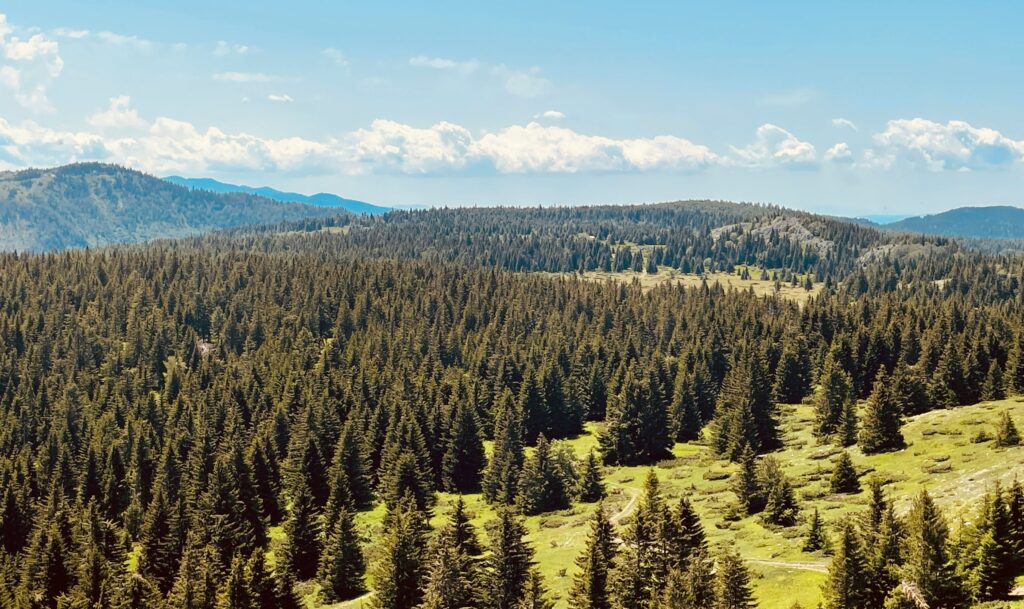
From the rugged mountains of the Accursed Mountains to the fascinating history of cities like Gjakova and Peja, Kosovo is a treasure trove of sights. Make sure your budget accounts for an adventure or two—like hiking or perhaps a wine tour in the Rahovec region. It’s worth every single penny.
In Conclusion
So, to sum it all up: Yes, Kosovo uses the Euro, which really simplifies things for your travel budgeting. With a mix of affordable accommodations, delicious food options, and friendly locals, you’ll find that Kosovo is not only a culturally rich destination but also easy on the wallet. Don’t forget your sense of adventure and, of course, your camera—for those Instagram-worthy shots!
Related: If you’re curious about other destinations that also share the Euro, check out our blog post on travel in Eastern Europe!
**Related Reading:** – [Related: How to Plan a Solo Trip on a Budget] – [Related: Top Destinations for First-Time Solo Travelers] **#SoloTravel #Kosovo #Euro #Payments #Travel #Budget #Tips**