

Syria—just saying the name can evoke a thousand images, both beautiful and harrowing. From ancient ruins that dot the landscape to the vibrant culture that once flourished, it’s a place of rich history. But let’s get real: you might be wondering if it’s safe to visit Syria today. Is it worth the experience despite the current volatility? Let’s break it down.
A Brief Overview of the Situation
First up, it’s crucial to understand the backdrop. Syria has faced years of conflict, leading to widespread disruption. However, certain areas are safer than others, and travel advisories can be a mixed bag. While many regions remain off-limits, others, particularly in the north and some coastal areas, have seen a return to normalcy, at least to some degree.
Current Travel Advisories
Check your government’s travel advisory page—this information can change frequently. Countries like the United States, United Kingdom, and Canada usually offer very specific guidelines on where it’s safe to travel within Syria. For example, the capital Damascus has been reopened to foreign visitors, but it’s wise to stick to well-trodden paths. Areas around Aleppo and Idlib, however, often get a big red flag. So, do your homework, and always remain updated.
Safety First: Essential Tips for Travelers
If you decide to proceed, keeping safety at the forefront is a must. Here are some tips to help you navigate your trip with caution and confidence.
1. Travel with a Guide
It might be tempting to roam freely, especially if you’re a seasoned traveler. But in Syria, traveling with a trustworthy local guide is not just a good idea—it’s essential. They know the lay of the land and can help you avoid areas that are still unsafe. Plus, guides can provide insights on cultural nuances, making your experience richer.
2. Respect Local Customs
Syria is home to a deeply ingrained culture—and understanding local customs is vital. For example, dress modestly, especially in rural areas. Women, in particular, should opt for long skirts or trousers and long sleeves. This not only earns respect but also helps you blend in. And hey, who wouldn’t want to sip tea in a local café, feeling like a true insider?
3. Stay Informed
Seriously, apps and social media can be your best friends here. Follow local news outlets, and if you can, connect with expats living in Syria. They often have up-to-the-minute knowledge about what’s going on and can provide real-time updates. Plus, platforms like Facebook have groups for travelers active in the region that can be super helpful.
Health and Safety Precautions
It’s not just political safety you need to think about; health considerations are also paramount. Prepare accordingly before you arrive.
1. Vaccinations and Health Care
Make sure you’re up to date on routine vaccines. Hepatitis A and Typhoid are good ones to consider, and depending on where you’ll be, you might want to consult a travel health clinic for further advice. Health care facilities can vary greatly, so having a plan for any medical needs is smart. Bring a good first-aid kit and any necessary medications with you.
2. Travel Insurance
Please, don’t skimp on this. Comprehensive travel insurance that covers both health issues and any potential trip interrupts is essential. Look for policies that include emergency evacuation; you want to be prepared for anything. Trust me, you’ll thank yourself later.
Navigating the Landscape
When you’re finally on the ground, navigating can be as daunting as it is exciting. Here are some practical tips to help get you from A to B without a hitch.
1. Transportation Options
Public transport exists, but if you’re in a position to hire a private car with a driver, that’s usually the way to go. It can be a bit pricier, but the peace of mind is worth every penny. Plus, you’ll be able to engage in local conversations—those shared moments often create memorable experiences.
2. Watch Your Belongings
Petty crime can happen anywhere, and this is no exception. Keep your valuables tucked away and avoid displaying them openly. Think of it this way: blend in with the locals, and you’ll draw less attention to yourself. A simple backpack is often preferable to flashy designer bags.
Must-Visit Locations, If Safe
Okay, let’s talk about the fun part: the sights! Here are a few breathtaking locations—again, make sure it’s safe before venturing to these spots.
1. Damascus
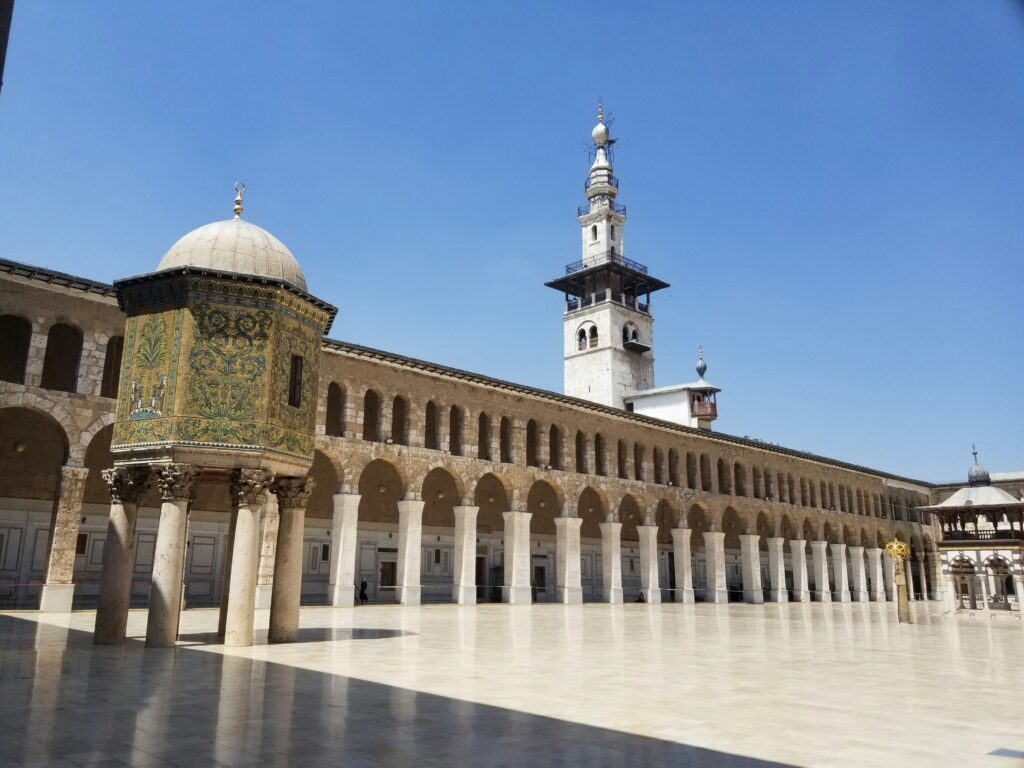
Old Damascus is a UNESCO World Heritage site, and for good reason. The narrow, labyrinthine streets and vibrant souks are simply magical. You can visit the Umayyad Mosque, with its stunning architecture, or the nearby Straight Street—heralded in ancient texts!
2. Aleppo’s Citadel
If Aleppo is on your radar, visiting the Citadel is a must. The fortress looms proudly, showcasing the city’s rich history. But again, verify local conditions, as security can change rapidly.
3. Palmyra
We can’t talk about Syria without mentioning the stunning ruins of Palmyra. These ancient columns and temples are breathtaking, reflecting the grandeur of its past. But this site has seen conflict as well, so tread carefully and check advisories.
In Summary
Traveling to Syria today isn’t for the faint of heart, but for adventurous souls, it can mean a journey that’s as enriching as it is challenging. With the right preparation, an understanding of current conditions, and respect for the locals and their culture, you can have a safe trip. So, if you’re set on visiting this enchanting, albeit complicated, country, just ensure you’re well-informed and ready for anything that comes your way.
For additional travel insights, you might check out Lonely Planet. They have great resources on what it’s like to travel through Syria today!
**Related Reading:** – [Related: How to Plan a Solo Trip on a Budget] – [Related: Top Destinations for First-Time Solo Travelers] **#SoloTravel #Syria #Safe #Tourists #Key #Safety #Tips**