

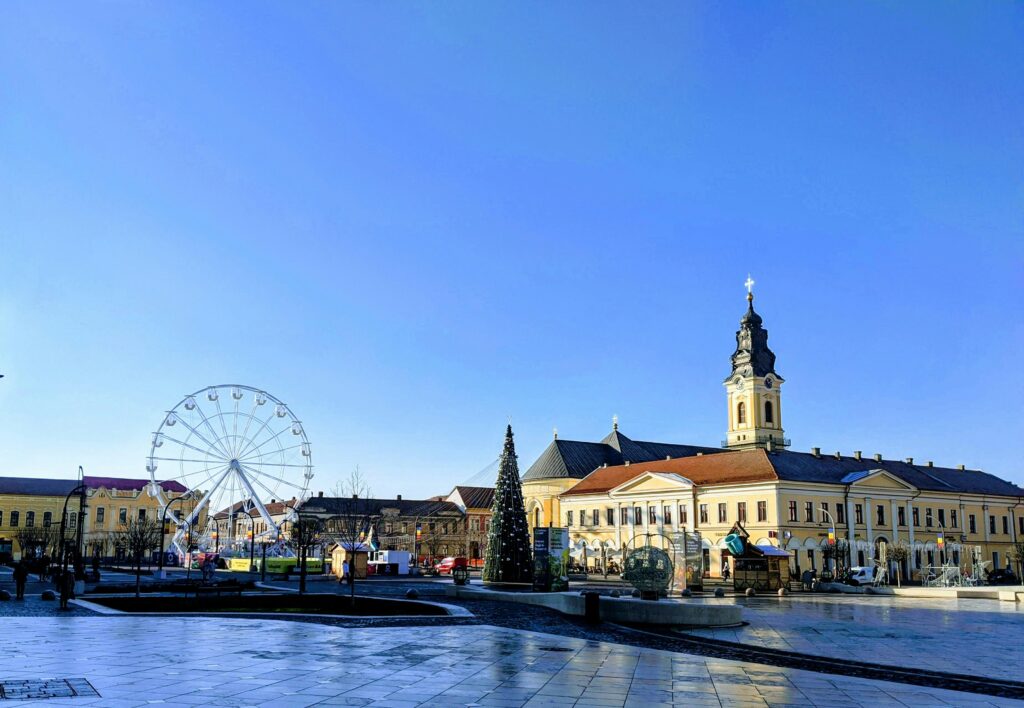
Introduction to Romania’s Water Quality
Traveling to Romania offers a unique experience filled with stunning landscapes, rich history, and vibrant culture. But, like any traveler, you might find yourself wondering, “Is the tap water safe to drink?” It’s a question that’s becoming ever more pertinent as we navigate various destinations. Here’s a casual yet informative dive into the reality surrounding tap water safety across Romanian cities.
The General Picture
Romania has made significant strides in improving water quality over the past decades. Major urban areas, like Bucharest, Cluj-Napoca, and Timișoara, largely have reliable tap water systems. These cities boast modern infrastructure, and their tap water is mostly treated and regulated to meet European Union standards.
However, not all regions are created equal. Rural areas, in particular, might have some lurking uncertainties concerning water safety. Here’s a closer look at some notable cities:
Bucharest: The Capital with a Capital “C”
In Bucharest, the capital city, tap water is generally considered safe to drink. The water comes from diverse sources, including groundwater and surface water, which goes through several purification processes. Many locals are confident enough to drink from the tap, and most cafés and restaurants will serve it without hesitation. However, if you’re sensitive or just prefer a more cautious approach, using bottled water is still a wise call.
Cluj-Napoca: A University Hub
Sitting in the heart of Transylvania, Cluj-Napoca is another city where the tap water is usually safe. The city has a robust water treatment system, and here too, locals often fill their glasses from the tap. Just like in Bucharest, it doesn’t hurt to ask if you need confirmation at a restaurant. A polite “Is the tap water safe here?” will do the trick!
Timișoara: The City of Flowers
Timișoara, often known for its beautiful parks and historical architecture, also enjoys good water quality. Residents often speak highly of their tap water. That being said, if you venture out to the outskirts or smaller villages nearby, the quality may vary. Stick to bottled water in more remote areas to be on the safe side.
Exceptions to the Rule
While the major cities tend to have safe tap water, you should be aware of exceptions, particularly when it comes to smaller towns or isolated villages. Here, water infrastructure may not meet the same standards, leading to potential contamination issues.
For instance, in rural areas of Maramureș and some regions around the Carpathian Mountains, it’s prudent to err on the side of caution. If you’re staying in guesthouses or rural accommodations, make sure to ask about the water source and treatment options.
Water Quality Testing and Resources
Before drinking tap water, consider checking recent water reports or local news updates regarding water quality. Websites like the National Institute of Public Health in Romania provide insights into various regions’ water quality status. It can save you some stomach troubles later.
Tips for Travelers
So, is there a foolproof way to ensure you stay healthy while exploring Romania’s beautiful cities? Here are a few tips:
1. Carry a Water Bottle
Invest in a reusable water bottle. It’s environmentally friendly and means you can easily refill when needed. Plus, it’ll help you stay hydrated as you wander through Romanian streets.
2. Check Local Recommendations
When you arrive in a new city, ask locals or your accommodation hosts about the tap water. They often have the best insights. Sometimes, locals’ experiences can provide personal anecdotes—“I drank from the tap here everyday, and I’m still alive!”
3. Trust your Gut (Literally)
If you’re ever unsure about the water, trust your instincts. If the tap water looks suspicious or has an unusual taste or smell, it’s better to go for bottled options.
4. Understand Bottled Water Labels
In Romania, bottled water can come from various sources. Look for labels indicating “apă minerală” (mineral water) or “apă de izvor” (spring water). These options are generally safe and refreshing alternatives.
Conclusion: Navigate Wisely!
The exploration of Romania’s cities is undoubtedly delightful, and you shouldn’t let worries about water safety dampen your adventures. While major cities provide reasonably safe tap water, exercising caution in rural areas is wise. Consulting locals and staying informed can enhance your travel experience significantly. So, with good planning and a little common sense, you’re all set for a memorable trip to Romania!
Safe travels, and happy exploring!
**Related Reading:** – [Related: How to Plan a Solo Trip on a Budget] – [Related: Top Destinations for First-Time Solo Travelers] **#SoloTravel #Tap #Water #Safe #Romanian #Cities #Key #Insights #Travelers**