
Is English Commonly Spoken in North Macedonia’s Tourist Areas?
If you’re planning a trip to North Macedonia, you might be wondering how comfortable you’ll be navigating its beautiful landscapes, charming towns, and vibrant cities. Specifically, is English going to be your trusty sidekick, or will you find yourself lost in translation? The answer, like many things in travel, is a bit of a mixed bag. Let’s break down what you can expect when it comes to speaking English in this Balkan gem.
General English Proficiency
In North Macedonia, English has become increasingly prevalent, especially among the younger generations. You’ll find that many people working in the tourism sector—think hotel staff, tour guides, and restaurant employees—are quite proficient in English. This is partly due to the country’s focus on attracting international tourists and partly because English is taught in schools from a young age.
Where English is Commonly Spoken
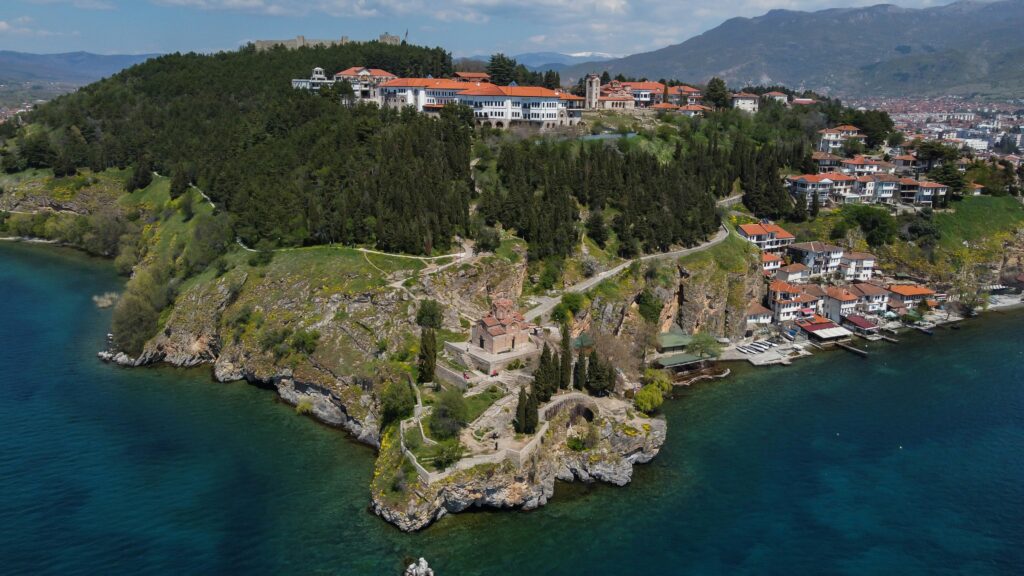
If you venture into major cities like Skopje, Ohrid, or Bitola, you’ll notice that English is more widely spoken. Many locals are eager to practice their language skills, often leading to lively conversations. In tourist hotspots, menus are often available in English, and signage tends to be bilingual, making your exploration a bit easier. For example, when visiting Ohrid, known for its stunning lake and ancient churches, you won’t have a tough time communicating with shopkeepers or café staff.
English in Smaller Towns and Rural Areas
However, as you venture off the beaten path, particularly in smaller towns or rural areas, the situation changes. While some locals may understand basic English phrases, it’s not as commonly spoken. Here, you might find it helpful to learn a few basic Macedonian phrases, like “Zdravo” (Hello) or “Hvala” (Thank you). Trust me, locals will appreciate your effort, and it might just bring a smile to their faces.
Engaging with the Local Culture
When you’re traveling, it’s always a good idea to immerse yourself in the local culture. Attempting to communicate in the native language—no matter how limited your vocabulary—can significantly enhance your experience. Plus, it can lead to unexpected adventures!
Helpful Phrases to Know
- Kako si? (How are you?)
- Kade e toaletot? (Where is the restroom?)
- Molam, edna pivo. (Please, one beer.)
These little phrases can be lifesavers and often lead to more genuine interactions. You might even impress a few locals while you’re at it!
Travel Tips for Navigating Language Barriers
Even if English isn’t always available, there are ways to navigate language barriers smoothly. Here are a few tips:
Use Translation Apps
In today’s tech-savvy world, translation apps like Google Translate can be incredibly helpful. They allow you to translate text, voice, and even images of signs or menus instantly. Just remember to download any necessary language packs ahead of time in case you find yourself in a no-service zone!
Be Patient and Friendly
If you find yourself in a situation where communication isn’t going as planned, try to remain patient. Smile, use gestures, and don’t be afraid to draw things out. Sometimes, a simple sketch can save the day. If nothing else, your good-natured efforts will earn you some extra warmth from the locals.
Conclusion: A Blend of English and Local Language
So, is English commonly spoken in North Macedonia’s tourist areas? In short, yes, but with some caveats. The key is to be prepared and open-minded. Whether you’re sipping coffee in a café or wandering the streets of Skopje, remember that exploring a new language can be just as thrilling as exploring the sights. So go ahead, dive into both the beauty of this country and its rich cultural tapestry—you’ll come away with stories worth sharing.
For more tips on traveling in North Macedonia, check out this [Related: example](https://example.com) for a comprehensive guide!
**Related Reading:** – [Related: How to Plan a Solo Trip on a Budget] – [Related: Top Destinations for First-Time Solo Travelers] **#SoloTravel #English #Commonly #Spoken #North #Macedonias #Tourist #Areas**