

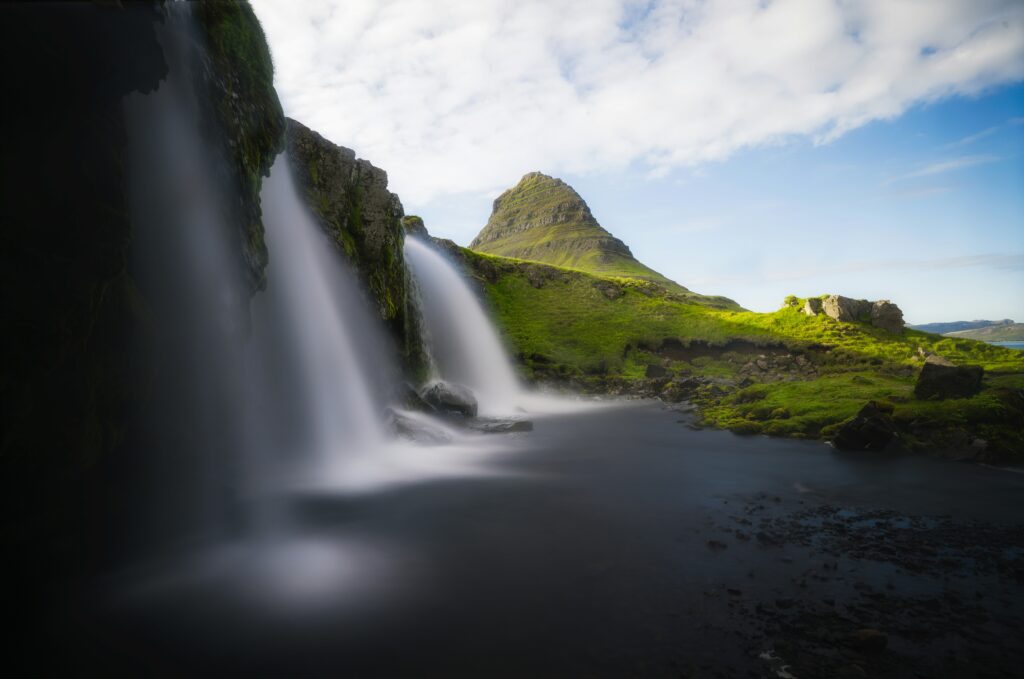
Are Drones Allowed at Popular Waterfalls? Safety Concerns Explained
Picture this: you’re standing at the edge of a majestic waterfall, the roar of the water harmonizing with the chirping birds around you. Your phone is out, and you’re about to capture the view with a drone. But wait. Is this even allowed? Before you hit that shutter button, let’s dive into the ins and outs of drone usage at popular waterfalls, especially around safety concerns and regulations.
The Legal Landscape of Drones
First things first: every location has its own regulations regarding drones. In the U.S., the Federal Aviation Administration (FAA) sets the groundwork, but local and state laws come into play, too. So, even if you’re legally flying your drone, that doesn’t mean you can do it everywhere. National parks, for example, typically have strict rules against drone use to protect wildlife and maintain the natural beauty.
National Parks and Waterfalls
If you’re eyeing a stunning waterfall within a national park—like Yosemite Falls or Niagara Falls—then it’s best to leave the drone at home. Most national parks explicitly ban drone use; the thinking here is to preserve the experience for everyone, plus avoid disturbing wildlife. It’s similar to how we’d want to enjoy nature without the din of technology interrupting the peace, right?
Safety Concerns When Using Drones
So, why all the fuss about safety? Well, let’s think about the possible risks associated with flying drones in crowded areas, especially near waterfalls.
Collision Risks
A waterfall is not just a picturesque spot; it can also be a crowded one. You might be the most skilled drone pilot, but you can’t predict how people will react or where they’ll walk. A drone crash can cause injury or, even worse, create a panic. Imagine someone dodging to avoid a descending drone while enjoying their moment; it’s not just awkward—it’s dangerous.
Wildlife Interference
Drones can spook wildlife in ways we might not immediately recognize. The noise and movements can disrupt birds and other animals, especially near nesting areas. A peaceful scene can turn chaotic if a startled animal makes a dash toward a trail, potentially putting themselves and hikers at risk.
Finding the Right Spots
If you’re determined to capture those stunning aerial shots with your drone at a waterfall, make sure to do the homework first. Some spots actually allow drone use but have specific guidelines you’ll need to adhere to.
Local Regulations and Permits
Check in with local authorities before your trip. Many locations, like state parks, might offer permits for drone use, emphasizing safety. Even if a spot is drone-friendly, it may enforce certain time restrictions or allow drones only in designated areas. Always prioritize respect for nature and other visitors—after all, we’re there to enjoy the beauty, not disrupt it.
Designated Drone-Friendly Locations
Some scenic locations are much more open to drone use. For instance, places like Lake Tahoe might allow it outside certain regulations. Research areas that are specifically labeled as drone-friendly and read up on their rules. It may take a bit of effort, but the payoff can be worth it, especially when capturing breathtaking views.
Best Practices for Drone Use Near Waterfalls
If you find yourself in a drone-friendly area, here’s how to play it safe:
Respect Privacy
Picture this: you get the perfect shot, but it accidentally includes unsuspecting hikers. Respecting others’ privacy is key. When flying your drone, keep your distance from people and private property. Nobody wants to be an unwitting star in your aerial video.
Be Mindful of the Environment
Always think about your surroundings. Wind conditions near waterfalls can change rapidly, and you don’t want to lose your drone or disrupt nature. Avoid flying too low, particularly over sensitive areas like nesting birds or fragile vegetation. Ideally, keep your drone high enough to avoid accidents but low enough to capture the stunning scenery you came for.
Prepare for Emergencies
Lastly, have a plan if something goes awry. Whether it’s a low battery warning or unexpected wind, stay calm and have a strategy to safely bring your drone back down. Most importantly, double-check that your drone is in good working condition before you head out for the day.
The Bottom Line
In the grand scheme of things, drones can enhance the experience of capturing nature’s beauty, but only if used responsibly. Always prioritize safety—both yours and that of others around you. If a waterfall is off-limits, don’t push the boundaries; there are plenty of other places to explore. And hey, if you need inspiration for stunning landscapes that are drone-friendly, check out this resource that lists some of the best spots! Whatever you choose, keep the spirit of exploration alive while being mindful of nature’s wonders.
**Related Reading:** – [Related: How to Plan a Solo Trip on a Budget] – [Related: Top Destinations for First-Time Solo Travelers] **#SoloTravel #Drones #Allowed #Popular #Waterfalls #Safety #Concerns #Explained**