

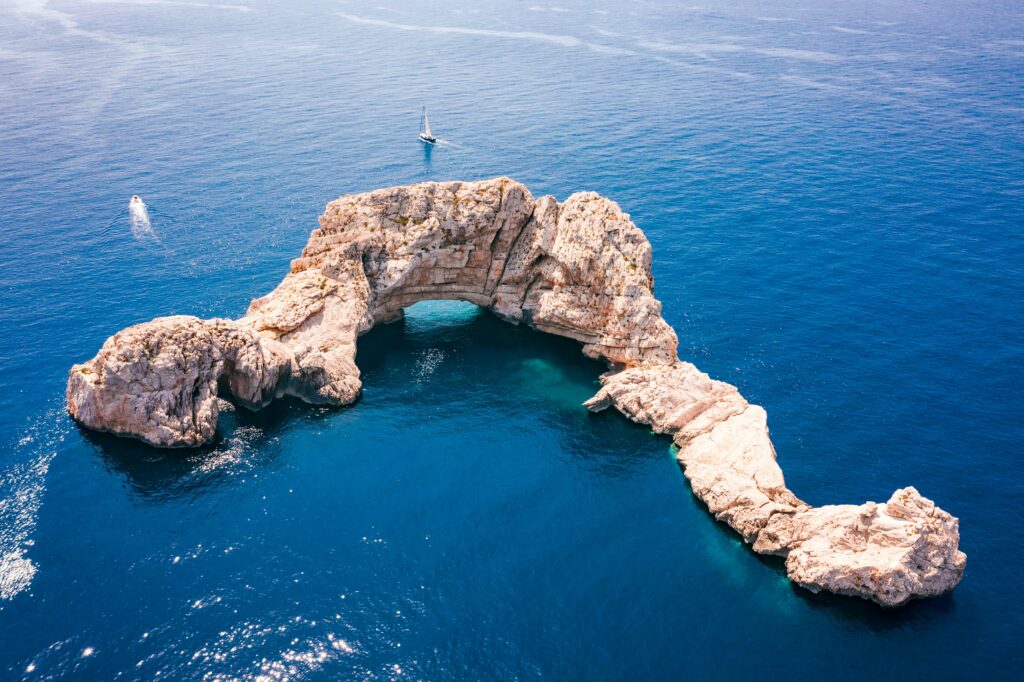
Introduction: The Allure of Spain’s Beaches
Spain is renowned for its stunning coastline, with beaches that call to sun-seekers and adventure enthusiasts alike. From the golden sands of the Costa del Sol to the dramatic cliffs of the Basque Country, there’s something for everyone. However, while basking in the sun sounds idyllic, it’s important to be aware of potential risks associated with beach currents and conditions that can catch even seasoned travelers off guard.
Understanding the Risks
The Nature of Beach Currents
Let’s start with a little science. There are different types of currents—riptides, longshore currents, and undertows, to name a few. Riptides are notorious, pulling swimmers away from shore unexpectedly. They can be particularly strong in certain areas, especially after storms or during peak tide times. Knowing how these currents operate can prepare you to react should you find yourself in a challenging situation.
Regional Variations: A Closer Look
Spain’s diverse coastline means that conditions can vary significantly. For example:
- Catalonia Coast: The waters here can be unpredictable, especially near rocky shorelines. The cliffs can create strong currents that are hard to spot.
- Balearic Islands: These beaches are famous for their beauty but watch out—riptides are common during the summer months.
- Canary Islands: While the waters are often calmer, certain beaches, particularly in the north, can have powerful currents.
Always check local advisories when you arrive—locals know best!
Stay Safe While Enjoying the Waves
Tips for Knowing Your Limits
Being aware of your swimming ability is crucial. If you’re not a strong swimmer, it might be best to stick to shallow waters or beaches with lifeguard oversight. I mean, we all want that perfect Instagram shot, but safety comes first, right?
Observing Safety Flags
Spanish beaches often utilize flag systems to indicate swimming conditions. Familiarize yourself with what each flag means:
- Green: All clear—perfect for swimming.
- Yellow: Caution—swimming is allowed, but be careful.
- Red: No swimming—stay on the shore.
If there’s a flag raised, just think of it as the ocean’s way of telling you to take a break or explore the local beachside cafés instead.
When Things Go Wrong: What to Do
Identifying Danger Signs
Even the most vigilant traveler can find themselves in a sticky situation. If the water seems turbulent or if you notice debris floating in the waves, these could be signs of a riptide. Look for foam or a color difference in the water; those can indicate currents that are more pronounced. If you get caught in one, don’t panic. Swim parallel to the shore to get out of it—and then head back to safety.
Emergency Resources
Before heading to the beach, it’s always a good idea to know where the nearest medical facilities are located. Many tourist-friendly locations have easily accessible emergency services. A simple google search for “emergency services near me” can go a long way during your travels.
Making the Most of Your Beach Experience
Local Recommendations
Beyond just the sun and waves, immerse yourself in the local culture. Try a paella at a beachside restaurant or catch a Flamenco show nearby. There’s so much more to enjoy!
Tip: Some beaches have “chiringuitos,” which are beach bars where you can get delicious drinks and snacks. Chat with the locals here—they often have the best advice about staying safe in the water and can share their favorite swimming spots.
Alternative Activities
If water conditions aren’t favorable, consider other activities! Beach volleyball, paddleboarding, and even beach yoga can be thrilling. Plus, you get to meet fellow travelers!
Final Thoughts: Beach Wise, Beach Happy
Traveling to Spain’s stunning beaches is an unforgettable experience, but knowledge is key to ensuring your adventures are safe. While the picturesque landscapes are breathtaking, being aware of the ocean’s power and currents can help you enjoy your time without the worry. Remember, safer choices lead to happier vacations!
So, equip yourself with the right information, have fun, and let the beautiful shores of Spain wash your stress away!
Related: Beach Safety Tips You Need to Know
**Related Reading:** – [Related: How to Plan a Solo Trip on a Budget] – [Related: Top Destinations for First-Time Solo Travelers] **#SoloTravel #Risky #Spains #Beaches #Currents #Travelers**