

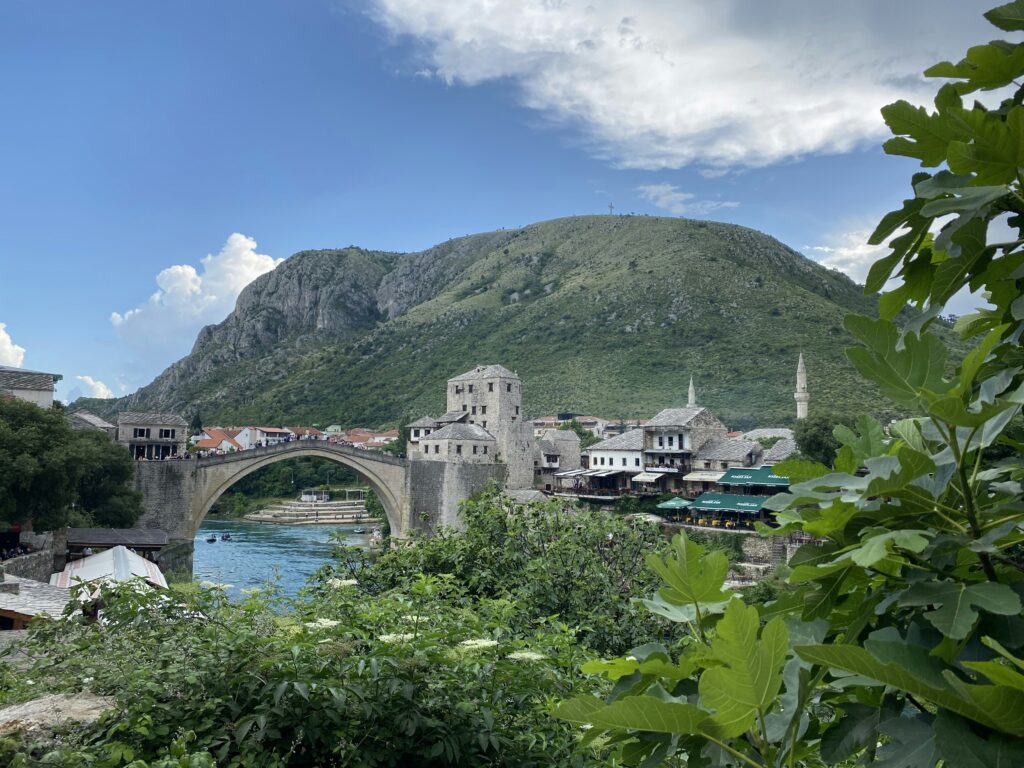
Exploring Bosnia and Herzegovina: Hiking with Awareness
Ah, Bosnia and Herzegovina. This stunning corner of the Balkans is a hiker’s paradise, full of lush green trails, ancient towns, and breathtaking landscapes. But let’s get real for a second—navigating the great outdoors here comes with its own unique set of challenges, particularly when it comes to avoiding landmine areas. It might sound a bit dramatic, but being aware of your surroundings is crucial for a safe and enjoyable experience.
Understanding the Context
First things first: Bosnia and Herzegovina has a complex history, particularly from the 1990s conflict. This means that, while many areas are perfectly safe now, remnants of the war still linger, quite literally, in the form of landmines scattered across certain regions. This isn’t a scare tactic; it’s a reality you should be aware of as you lace up your hiking boots. Quite a few tourist hikes are well-marked and monitored. However, straying off the beaten path can lead you into risky territory.
So, Where Are the Landmine Areas?
The truth is, landmine contamination isn’t uniformly distributed, so it helps to know where to tread lightly. Generally, common areas with landmine risks include:
1. Rural and Remote Regions
In rural parts of eastern Bosnia, particularly around hotspots like Srebrenica and Bratunac, there are still places where mines haven’t been cleared. While you may find gorgeous, secluded trails here, it’s best to stick to well-traveled paths.
2. Near Former Battle Sites
These are areas where skirmishes took place. They can easily be found near towns like Mostar and Vitez. If a trail seems too close to a known site, it’s probably better to choose another route. Just ask the locals or consult trail maps—they’re usually in the know.
Safety First: Tips for Hiking Smart
Alright, so how do you avoid stepping into a landmine area? Here are some practical tips that can help keep your adventure both thrilling and safe.
1. Stick to Established Trails
This might seem like a no-brainer, but sticking to established trails can significantly reduce your risk. Local authorities usually keep these paths cleared and monitored, meaning higher safety for you. Guidebooks, online resources, and local tourist information centers can offer valuable insights on which routes are safe.
2. Consult Local Expertise
Don’t underestimate the power of local knowledge! Engage with locals at cafés or tourist centers. They can provide invaluable information about paths to take or avoid. Often, they may have firsthand experience or warnings about hidden dangers you might not find in a guidebook. Trust me, a well-placed “watch out” can save you a lot of headaches.
3. Brush Up on Maps and Signage
Before you set off, familiarize yourself with the area’s maps. Often, you’ll notice signs that indicate where landmines have been cleared. Some regions even have specific maps that show “safe” versus “unsafe” areas. It’s worth your time to cross-reference these with your planned route.
Be Prepared: Equipment and Essentials
Besides keeping your eyes peeled, having the right gear can enhance your experience as well. Here’s what I recommend:
1. Sturdy Footwear
Let’s be honest: hiking isn’t the same without proper shoes. A sturdy pair of hiking boots can make a world of difference, giving you better grip and protection against uneven terrain. Plus, you’ll feel more confident on the trails!
2. Navigation Tools
Your smartphone can be your best friend, but don’t solely rely on it. Download hiking apps that work offline, as cell service can be spotty. Having a physical map is also a smart backup. Google Maps often won’t help in more remote areas, so come prepared.
3. First-aid Kit
Accidents happen—be it a twisted ankle or an insect sting. Having a small first-aid kit handy can help you handle minor injuries so you can focus on enjoying your hike. Make sure it includes essentials like antiseptic wipes, bandages, and maybe even some antihistamines.
Finding the Right Guides
If you’re not comfortable navigating on your own or want to learn more about this beautiful country, consider booking a guided hike. A local guide can provide rich commentary while ensuring you stay safe. Plus, they can take you to hidden gems that you might miss otherwise—like secret waterfalls or panoramic viewpoints.
Enjoying the Journey
While the thought of landmines might put you on edge, don’t let it overshadow the beauty that awaits you on the trails. Bosnia and Herzegovina is brimming with natural wonders, from the cascading waterfalls of Kravice to the stunning views at Mount Bjelašnica. Embrace the adventure, but stay aware, and you’ll have stories to tell for years.
Remember, hiking is not just about the destination; it’s about the journey. Listen to your surroundings, take in the fresh air, and immerse yourself in the cultures and communities you encounter along the way. Who wouldn’t want to create memories amidst such natural beauty?
Oh, and if you’re looking for more insights into hiking adventures in this part of the world, check out [Related: example]
Final Thoughts
Now that you’re equipped with knowledge and tips, lace up those boots and hit the trails! The landscapes of Bosnia and Herzegovina are waiting for you, filled with history, culture, and a treasure trove of breathtaking sights. Just remember: be aware, be smart, and most of all, be adventurous!
**Related Reading:** – [Related: How to Plan a Solo Trip on a Budget] – [Related: Top Destinations for First-Time Solo Travelers] **#SoloTravel #Avoid #Landmine #Areas #Hiking #Bosnia #Herzegovina**