

# Will My Embassy Assist Me Inside Syria: Safety Tips for Travelers
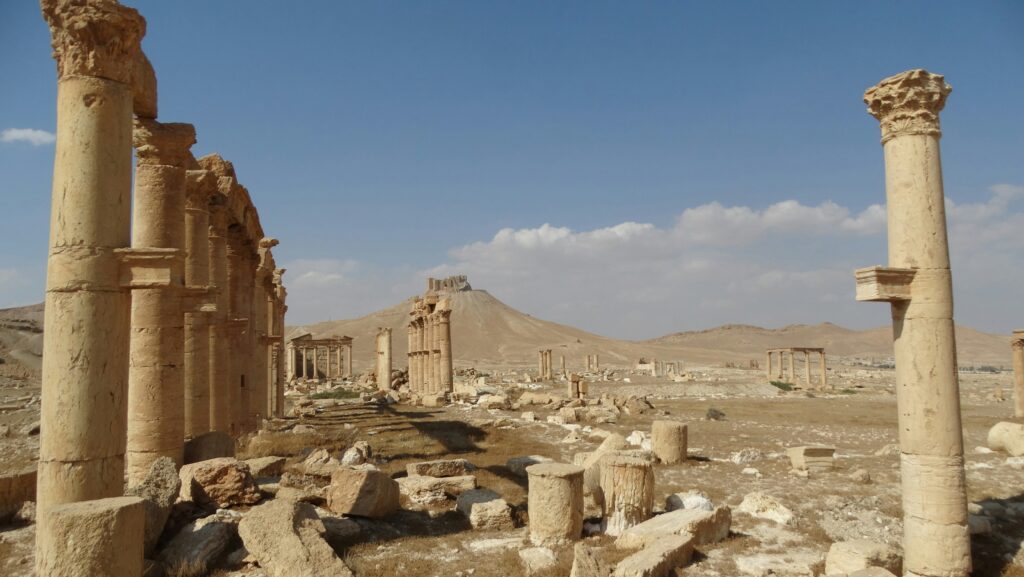
Traveling to Syria is an extraordinary adventure filled with rich history and breathtaking landscapes. But let’s be real—it’s also a destination fraught with safety concerns. If you’re wondering about the role your embassy might play in your travels, you’re not alone. Many travelers share similar concerns. This guide will break it down for you, complete with safety tips to help keep your journey enjoyable and secure.
Embassies can be your lifeline when traveling abroad; they provide many services, but their scope is limited in conflict zones like Syria. They can offer practical assistance such as:
In case of natural disasters, accidents, or civil unrest, your embassy can help you connect with local authorities or even assist in evacuation efforts. However, this depends on their operational capacity and the current situation on the ground.
Your embassy can provide up-to-date information about safety conditions, travel advisories, and health risks. For example, they might issue alerts about areas to avoid due to conflict or unrest. It’s a good idea to check their website regularly or subscribe to email notifications before and during your travel.
If your passport is lost or stolen—and believe me, it happens—a visit to the embassy can help you get a replacement. They can guide you through the red tape, but your experience will depend significantly on the security situation.
If you find yourself heading to Syria, equip yourself with some practical safety tips. This isn’t to scare you but to prepare you.
Before traveling, familiarize yourself with the regions you want to visit. Websites like the U.S. Department of State provide travel advisories that are invaluable. If a place is labeled as “Do Not Travel,” take it seriously!
Registering your trip with your embassy before you depart can be a quick line to safety. It allows them to know where you are and let you know about emergencies. It’s a simple step that can pay off big time should the need arise.
Navigating a destination with a reliable local guide can make a world of difference. Not only can they help you avoid unsafe areas, but they can also enhance your experience by sharing insights that you might otherwise miss. It’s like going on a treasure hunt where you know the local map!
You can read all the lists and guidelines, but at the end of the day, trust your gut. If something feels off, it’s okay to back away. Your safety should be your top priority—not sticking to an unchangeable itinerary.
Safety isn’t just about avoiding conflict; health is a major factor too. Make sure you have travel insurance that covers medical emergencies abroad.
Check if there are any recommended vaccinations for Syria. Depending on where you’re travelling from, you might need shots for various diseases. It’s best to consult a travel clinic ideally a month before your trip—you don’t want to wait until the last minute.
Pack a small health kit with items like pain relievers, antiseptics, and basic first-aid supplies. You never know when a headache or scrape might hit.
Traveling in Syria can be both exciting and daunting. Your embassy can certainly assist you, but much of your safety will depend on preparation and common sense. Always prioritize your safety and well-being—think of your trip as a unique experience that can only be enriched through careful planning.
And remember, even amidst uncertainty, adventurous travel is about engaging with the world around you. Who knows? With the right precautions, you might just fall in love with everything Syria has to offer. Safe travels!
**Related Reading:** – [Related: How to Plan a Solo Trip on a Budget] – [Related: Top Destinations for First-Time Solo Travelers] **#SoloTravel #Embassy #Assist #Syria #Safety #Tips #Travelers**
Will My Embassy Assist Me Inside Syria?
Traveling to Syria is an extraordinary adventure filled with rich history and breathtaking landscapes. But let’s be real—it’s also a destination fraught with safety concerns. If you’re wondering about the role your embassy might play in your travels, you’re not alone. Many travelers share similar concerns. This guide will break it down for you, complete with safety tips to help keep your journey enjoyable and secure.
Understanding Your Embassy’s Role
Embassies can be your lifeline when traveling abroad; they provide many services, but their scope is limited in conflict zones like Syria. They can offer practical assistance such as:
Emergency Services
In case of natural disasters, accidents, or civil unrest, your embassy can help you connect with local authorities or even assist in evacuation efforts. However, this depends on their operational capacity and the current situation on the ground.
Information and Guidance
Your embassy can provide up-to-date information about safety conditions, travel advisories, and health risks. For example, they might issue alerts about areas to avoid due to conflict or unrest. It’s a good idea to check their website regularly or subscribe to email notifications before and during your travel.
Documentation Support
If your passport is lost or stolen—and believe me, it happens—a visit to the embassy can help you get a replacement. They can guide you through the red tape, but your experience will depend significantly on the security situation.
Safety Tips for Traveling in Syria
If you find yourself heading to Syria, equip yourself with some practical safety tips. This isn’t to scare you but to prepare you.
Stay Informed
Before traveling, familiarize yourself with the regions you want to visit. Websites like the U.S. Department of State provide travel advisories that are invaluable. If a place is labeled as “Do Not Travel,” take it seriously!
Register with Your Embassy
Registering your trip with your embassy before you depart can be a quick line to safety. It allows them to know where you are and let you know about emergencies. It’s a simple step that can pay off big time should the need arise.
Connect with Local Guides
Navigating a destination with a reliable local guide can make a world of difference. Not only can they help you avoid unsafe areas, but they can also enhance your experience by sharing insights that you might otherwise miss. It’s like going on a treasure hunt where you know the local map!
Trust Your Instincts
You can read all the lists and guidelines, but at the end of the day, trust your gut. If something feels off, it’s okay to back away. Your safety should be your top priority—not sticking to an unchangeable itinerary.
Health Considerations
Safety isn’t just about avoiding conflict; health is a major factor too. Make sure you have travel insurance that covers medical emergencies abroad.
Vaccinations and Health Precautions
Check if there are any recommended vaccinations for Syria. Depending on where you’re travelling from, you might need shots for various diseases. It’s best to consult a travel clinic ideally a month before your trip—you don’t want to wait until the last minute.
Bring a Health Kit
Pack a small health kit with items like pain relievers, antiseptics, and basic first-aid supplies. You never know when a headache or scrape might hit.
In Conclusion
Traveling in Syria can be both exciting and daunting. Your embassy can certainly assist you, but much of your safety will depend on preparation and common sense. Always prioritize your safety and well-being—think of your trip as a unique experience that can only be enriched through careful planning.
And remember, even amidst uncertainty, adventurous travel is about engaging with the world around you. Who knows? With the right precautions, you might just fall in love with everything Syria has to offer. Safe travels!
Related: Tips for staying safe while abroad
**Related Reading:** – [Related: How to Plan a Solo Trip on a Budget] – [Related: Top Destinations for First-Time Solo Travelers] **#SoloTravel #Embassy #Assist #Syria #Safety #Tips #Travelers**