

# How to Prevent Tick Bites While Hiking in Slovenia
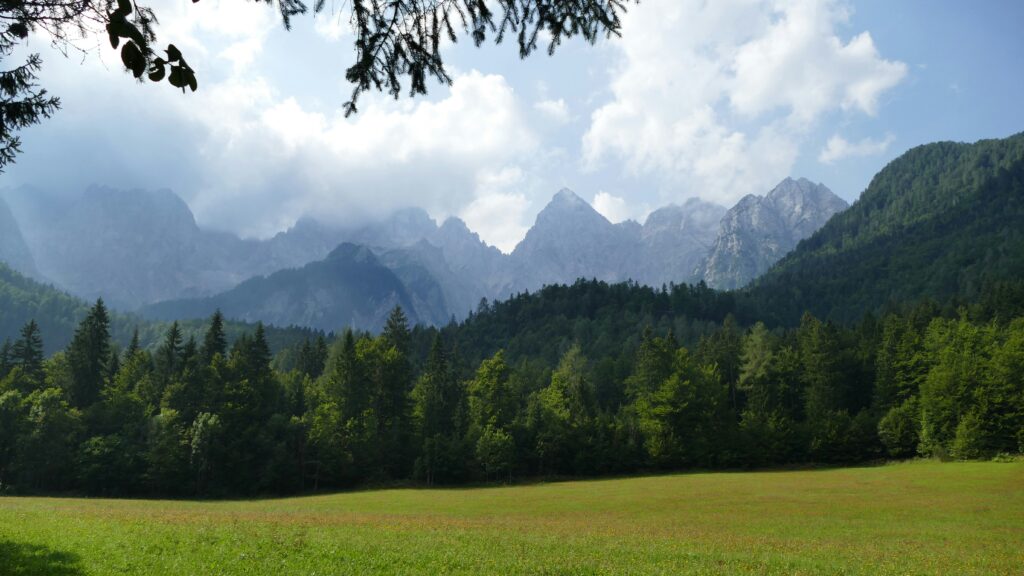
So, you’ve decided to lace up your hiking boots and hit the trails in Slovenia. That’s awesome! The breathtaking landscapes, rolling hills, and pristine nature are calling your name. But here’s the thing—while you’re busy soaking in the stunning views, there’s a tiny, often overlooked menace lurking in the grass: ticks.
These little guys might be small, but they can pack a punch. Ticks can transmit diseases like Lyme disease and tick-borne encephalitis, which can really put a damper on your outdoor fun. Here’s the good news: with a bit of preparation and awareness, you can keep those pesky bites at bay. Let’s dive into some practical tips on how to prevent tick bites while hiking in Slovenia.
When it comes to hiking, where you go matters. Slovenia has an impressive network of hiking trails, from popular paths in Triglav National Park to the picturesque routes around Lake Bled.
Whenever possible, aim for established trails and avoid walking through tall grasses or dense vegetation where ticks tend to hang out. The more well-trodden the path, the less likely you are to encounter ticks. If you’ve got your heart set on exploring less-traveled routes, just exercise extra caution. Sticking to the middle of the trail can greatly reduce your risk.
Ticks are most active during the warmer months, particularly from spring through early autumn. If you can, plan your hikes during times when tick activity is lower—potentially earlier in the spring or later in the fall.
Okay, let’s talk fashion—hiking style, that is. What you wear can make a huge difference in reducing tick bites.
First off, go for lighter colors. Why? Ticks are much easier to spot on white or light-colored fabric than on dark colors. It’s like wearing a neon sign saying, “Hey, check me for ticks!”
Long pants and long sleeves are your friends when it comes to preventing ticks. Tuck your pants into your socks or wear gaiters to make it harder for ticks to crawl up your legs. It might feel a bit like you’re gearing up for a wilderness expedition, but it’s worth the added protection.
Now, onto the magic potion: insect repellent. Not all repellents are created equal, so here’s what to look for.
Look for a repellent that contains at least 20% DEET or picaridin. These ingredients are effective in keeping ticks at bay. If you prefer something more natural, oil of lemon eucalyptus can also offer some protection but may not be as long-lasting.
When applying repellent, don’t just spritz it on your clothing. Be sure to cover exposed skin, especially areas like behind the ears, on the neck, and around the waist. Reapply as needed, especially if you’re sweating or after a few hours out on the trail.
Once you’re on the trail, it’s time to keep your eyes peeled. Staying vigilant is key to tick prevention.
Make it a habit to check yourself (and your hiking buddies) for ticks every couple of hours. Pay attention to any spots where ticks tend to latch on, like the scalp, armpits, and between the legs. You might feel a bit paranoid checking yourself all the time, but it’s better to be safe than ending up with a nasty tick bite.
Have a buddy along for your adventure? Good! Team up for mutual checks. Believe me, it’s much easier for someone else to spot potential ticks on your back than you trying to look over your shoulder in a mirror!
Okay, so you’ve conquered the trail and have the sun on your face. You can’t relax just yet! Your post-hike routine is just as important.
Once you’re home, undress immediately (well, after a strategic moment of modesty if you live with others). Shake your clothes out and—this might sound silly—take a moment to inspect them for ticks before washing.
Hop in the shower as soon as you can. Giving your body a good wash within two hours of coming back from your hike can help remove any ticks before they have a chance to bite. It’s a nice refresh, anyway!
Ah, the moment of truth: you see a tick. Don’t panic!
Using fine-tipped tweezers, grasp the tick as close to your skin as possible and pull upward with steady, even pressure. Avoid twisting or jerking, as this can cause parts of the tick to break off and remain in your skin. After removal, clean the bite area and your hands with rubbing alcohol.
Keep an eye on the bite area over the next few days. If you start feeling feverish, notice a rash, or develop any strange symptoms, it’s best to consult a healthcare professional. Early detection is key when it comes to tick-borne illnesses.
So, there you have it! From choosing the right trail to staying vigilant while you hike, these tips will help you have a safe and enjoyable hiking experience in Slovenia. It’s all about being mindful of your environment and taking simple precautions.
Before you know it, you’ll be planning your next adventure—just don’t forget to pack that repellent! Happy hiking!
**Related Reading:** – [Related: How to Plan a Solo Trip on a Budget] – [Related: Top Destinations for First-Time Solo Travelers] **#SoloTravel #Prevent #Tick #Bites #Hiking #Slovenia**
Why You Should Care About Tick Bites
So, you’ve decided to lace up your hiking boots and hit the trails in Slovenia. That’s awesome! The breathtaking landscapes, rolling hills, and pristine nature are calling your name. But here’s the thing—while you’re busy soaking in the stunning views, there’s a tiny, often overlooked menace lurking in the grass: ticks.
These little guys might be small, but they can pack a punch. Ticks can transmit diseases like Lyme disease and tick-borne encephalitis, which can really put a damper on your outdoor fun. Here’s the good news: with a bit of preparation and awareness, you can keep those pesky bites at bay. Let’s dive into some practical tips on how to prevent tick bites while hiking in Slovenia.
Choosing the Right Trail
When it comes to hiking, where you go matters. Slovenia has an impressive network of hiking trails, from popular paths in Triglav National Park to the picturesque routes around Lake Bled.
Stick to the Well-Trodden Path
Whenever possible, aim for established trails and avoid walking through tall grasses or dense vegetation where ticks tend to hang out. The more well-trodden the path, the less likely you are to encounter ticks. If you’ve got your heart set on exploring less-traveled routes, just exercise extra caution. Sticking to the middle of the trail can greatly reduce your risk.
Timing is Key
Ticks are most active during the warmer months, particularly from spring through early autumn. If you can, plan your hikes during times when tick activity is lower—potentially earlier in the spring or later in the fall.
Dress for Success
Okay, let’s talk fashion—hiking style, that is. What you wear can make a huge difference in reducing tick bites.
Light-Colored Clothing
First off, go for lighter colors. Why? Ticks are much easier to spot on white or light-colored fabric than on dark colors. It’s like wearing a neon sign saying, “Hey, check me for ticks!”
Cover Up
Long pants and long sleeves are your friends when it comes to preventing ticks. Tuck your pants into your socks or wear gaiters to make it harder for ticks to crawl up your legs. It might feel a bit like you’re gearing up for a wilderness expedition, but it’s worth the added protection.
Use Repellents Wisely
Now, onto the magic potion: insect repellent. Not all repellents are created equal, so here’s what to look for.
Choosing the Right Repellent
Look for a repellent that contains at least 20% DEET or picaridin. These ingredients are effective in keeping ticks at bay. If you prefer something more natural, oil of lemon eucalyptus can also offer some protection but may not be as long-lasting.
Application Tips
When applying repellent, don’t just spritz it on your clothing. Be sure to cover exposed skin, especially areas like behind the ears, on the neck, and around the waist. Reapply as needed, especially if you’re sweating or after a few hours out on the trail.
Stay Vigilant
Once you’re on the trail, it’s time to keep your eyes peeled. Staying vigilant is key to tick prevention.
Frequent Checks
Make it a habit to check yourself (and your hiking buddies) for ticks every couple of hours. Pay attention to any spots where ticks tend to latch on, like the scalp, armpits, and between the legs. You might feel a bit paranoid checking yourself all the time, but it’s better to be safe than ending up with a nasty tick bite.
Buddy Systems Work
Have a buddy along for your adventure? Good! Team up for mutual checks. Believe me, it’s much easier for someone else to spot potential ticks on your back than you trying to look over your shoulder in a mirror!
Post-Hike Routine
Okay, so you’ve conquered the trail and have the sun on your face. You can’t relax just yet! Your post-hike routine is just as important.
Clothes Off First
Once you’re home, undress immediately (well, after a strategic moment of modesty if you live with others). Shake your clothes out and—this might sound silly—take a moment to inspect them for ticks before washing.
The Shower Advantage
Hop in the shower as soon as you can. Giving your body a good wash within two hours of coming back from your hike can help remove any ticks before they have a chance to bite. It’s a nice refresh, anyway!
What to Do If You Find a Tick
Ah, the moment of truth: you see a tick. Don’t panic!
Removing the Tick
Using fine-tipped tweezers, grasp the tick as close to your skin as possible and pull upward with steady, even pressure. Avoid twisting or jerking, as this can cause parts of the tick to break off and remain in your skin. After removal, clean the bite area and your hands with rubbing alcohol.
Watch for Symptoms
Keep an eye on the bite area over the next few days. If you start feeling feverish, notice a rash, or develop any strange symptoms, it’s best to consult a healthcare professional. Early detection is key when it comes to tick-borne illnesses.
Final Thoughts
So, there you have it! From choosing the right trail to staying vigilant while you hike, these tips will help you have a safe and enjoyable hiking experience in Slovenia. It’s all about being mindful of your environment and taking simple precautions.
Before you know it, you’ll be planning your next adventure—just don’t forget to pack that repellent! Happy hiking!
Related: For detailed hiking routes, check out Slovenia’s official tourism website.
**Related Reading:** – [Related: How to Plan a Solo Trip on a Budget] – [Related: Top Destinations for First-Time Solo Travelers] **#SoloTravel #Prevent #Tick #Bites #Hiking #Slovenia**