

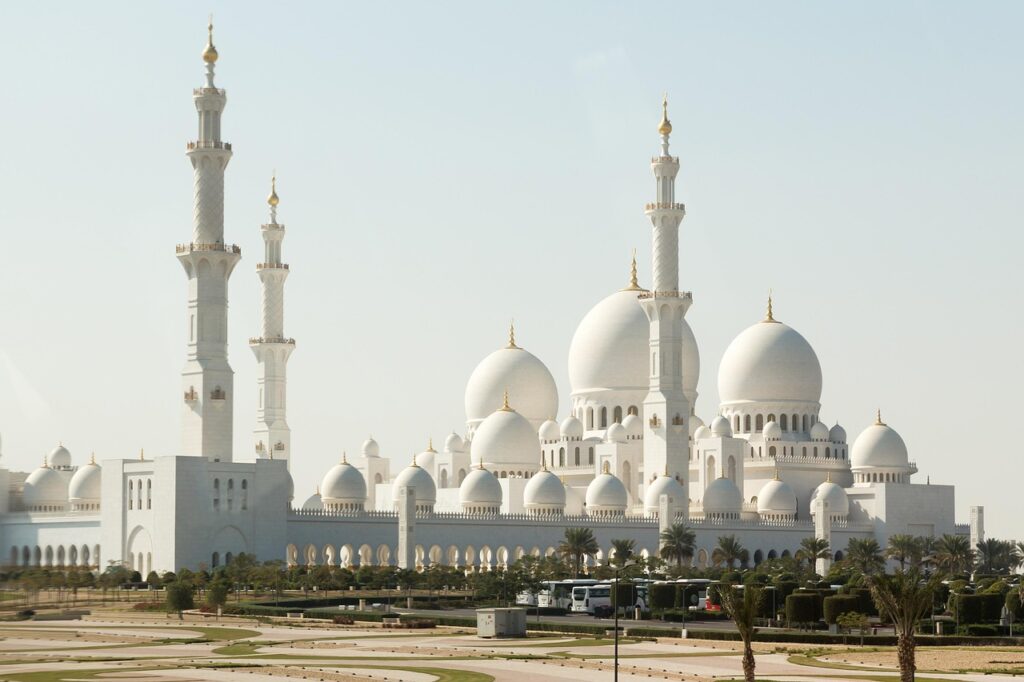
Understanding Ramadan in the UAE
Ramadan is that special time of year for Muslims around the world when they fast from dawn to sunset, reflecting on their spirituality and community. But what does this mean for non-Muslim visitors in the United Arab Emirates, especially if you’re looking to explore and experience the culture? Understanding the local customs and etiquette during this holy month is key to making the most of your trip. Here’s a straightforward guide to help you navigate through it all.
Fasting and Eating: What You Need to Know
During Ramadan, Muslims refrain from eating and drinking from sunrise to sunset. So, as a non-Muslim visitor, you might wonder: how does this affect you? Well, it’s important to respect the local customs.
Dining Etiquette
While it’s not illegal for non-Muslims to eat and drink in public during the day, it’s generally advised to refrain from doing so. If you need to grab a snack or sip on something, consider doing it discreetly out of respect for those fasting. Many cafes and restaurants do cater to tourists and non-Muslims, often keeping their doors hidden or covered during the day. Some may even offer special menus. Tip: Plan your meals around iftar time, which occurs at sunset, providing a wonderful opportunity to join in the communal spirit!
Where to Eat
If you’re in a hotel, you’ll likely find restaurants that serve food throughout the day. When venturing out, check local guidelines or online reviews for places that are open. Some restaurants will explicitly mention their Ramadan schedule, so keep an eye on that!
Attire: Dressing Appropriately
In the UAE, modesty is valued highly. While this standard applies year-round, it’s even more pronounced during Ramadan. Both men and women should opt for loose, long-sleeved clothing and avoid anything overly revealing.
Beachwear is Off-Limits
If you plan to hit the beach, remember that wearing swimsuits or beachwear outside beach resorts or pools is frowned upon. A nice cover-up is not just respectful but a more comfortable choice when you’re on your way to and from the beach. It’s all about blending in and being courteous during this period.
Events and Entertainment: What’s Different?
Many cultural and entertainment options remain, but the atmosphere will shift slightly. Expect fewer events during the day, but as the sun sets, things come to life!
Cultural Festivities
Night markets, art exhibitions, and community meals spring up, especially during iftar. If you can, join in the local celebrations. You might get to experience a mesmerizing iftar meal, complete with traditional dishes and the unique flavors of Middle Eastern cuisine.
Respecting Quiet Hours
During daytime, you may notice a quieter vibe. Some entertainment venues may even close earlier than usual. As a visitor, just be mindful of noise levels, particularly in public spaces. It’s all about striking that balance between enjoying your time and respecting the reflective atmosphere of the month.
Understanding Local Customs
It’s essential to grasp some of the broader customs during Ramadan. Greeting someone during this month can be slightly different—“Ramadan Mubarak” or “Ramadan Kareem” are warm wishes you might hear often. Responding in kind shows your appreciation for the cultural nuances.
Public Behavior
Public displays of affection are generally frowned upon during Ramadan. This isn’t just a suggestion; it’s culture. Keep that in mind while you’re out and about. It’s not about policing anyone, just a gentle reminder that this period is deeply cherished by the locals.
Alcohol Consumption
A big heads-up: alcohol sales are often limited during Ramadan, especially during daylight hours. Hotel bars may still serve alcohol but it’s wise to check their policy regarding this. So if you’re looking to unwind with a drink at midday, best save that for after sunset!
Final Thoughts: Travel Smart!
Visiting the UAE during Ramadan can be such a rewarding experience if approached with understanding and respect. Engaging with the local culture enhances your trip tenfold, so consider these tips and immerse yourself fully. Pro tip: Connect with local guides or join organized tours during Ramadan—they can offer insights and experiences that you might not find on your own!
Ultimately, celebrating differences—and making an effort to understand the customs of your travel destination—can lead you to more meaningful interactions and connections. Happy travels!
**Related Reading:** – [Related: How to Plan a Solo Trip on a Budget] – [Related: Top Destinations for First-Time Solo Travelers] **#SoloTravel #Ramadan #Rules #NonMuslim #Visitors #Travel #Smart #UAE**