

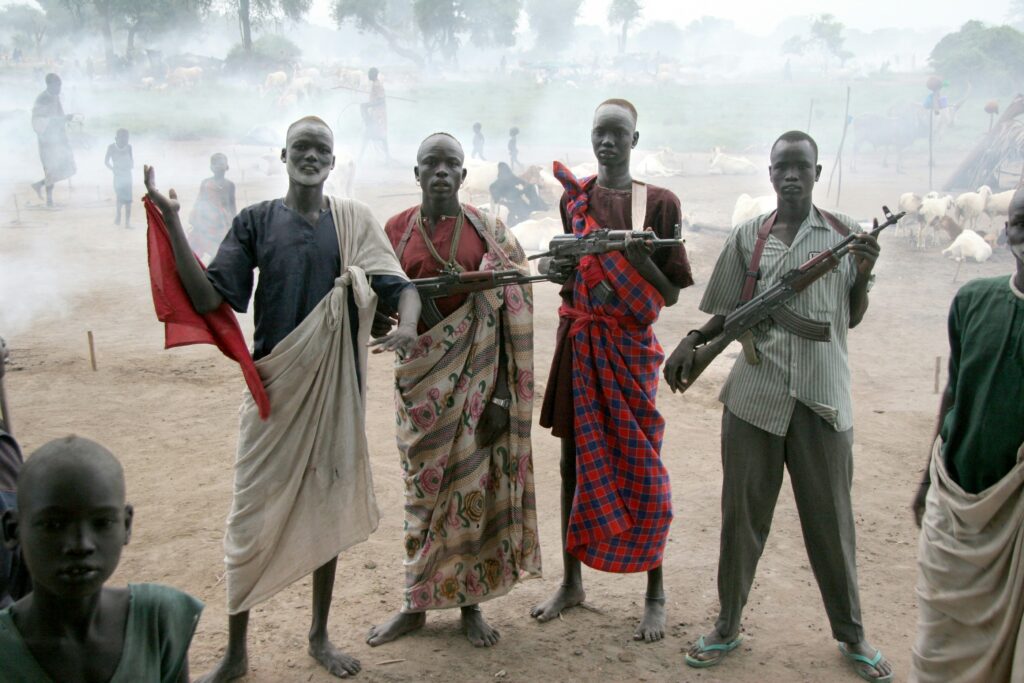
Understanding Travel Insurance for Conflict Zones
Traveling to places like Sudan can be both thrilling and daunting. You may have read about the rich culture, historical sites, and breathtaking landscapes, but you’ve probably also encountered warnings about instability and conflict. One important aspect to consider is travel insurance: what does it cover for a conflict zone, and how can you prepare to stay safe?
The Basics of Travel Insurance
First off, let’s talk about the types of travel insurance available. Most standard policies cover trip cancellations, medical emergencies, lost luggage, and travel delays. However, when it comes to conflict zones, things can get complicated.
Many travel insurance policies include exclusions for high-risk areas. So, if you’re planning to visit Sudan, be sure to read the fine print. Verify whether the insurance covers you in case of civil unrest or if you’ll be left high and dry should something happen.
Coverage for Conflict Zones
Not all travel insurance is created equal. Some specific policies cater to travelers heading into high-risk areas. These might include coverage for:
- Emergency Evacuations: This is crucial. It can cover the costs of getting you out of a dangerous situation, whether via airlift or other means.
- Repatriation: Should the worst happen, this would cover bringing your remains back home, a somber but essential aspect of planning.
- Trip Cancellation due to Conflict: If a conflict breaks out right before your trip, this coverage can return your funds.
Safety Tips for Traveling to Sudan
Now that you’ve secured appropriate insurance, let’s delve into some practical safety tips as you navigate your travels in Sudan.
Stay Informed
Knowledge is power. Regularly check travel advisories from your government—these will provide crucial updates on safety conditions in Sudan. Websites like Travel.State.gov offer real-time data about potential risks.
Connect with Locals
Engaging with local communities can enhance your travel experience and increase safety. Consider joining guided tours led by locals, as they generally have a better understanding of the situation on the ground. Plus, who wouldn’t want to share a cuppa with a fellow traveler?
Blend In
It’s essential to remain inconspicuous in any travel situation, especially in places with heightened tensions. Dress modestly and avoid displaying valuables. Not only does this keep you safer, but it also shows respect for local customs.
Emergency Plans
You might not want to think about it, but having a concrete emergency plan is vital. Create a checklist before departing:
- Local Contacts: Save local emergency contact numbers, including your country’s embassy or consulate.
- Know Your Exits: Familiarize yourself with which routes to take in case of an emergency. Identify safe zones and know where to go if the local situation escalates.
Digitally Prepared
Before you even set foot in Sudan, download essential apps that can provide offline maps, local emergency numbers, and language translation. Being prepared can make a world of difference when things don’t go as planned.
Final Thoughts
Traveling to conflict zones like Sudan carries unique challenges, but with the right insurance and a strong safety plan, you can still enjoy the wonders this beautiful country has to offer. Your experiences—tasting local cuisine, making new friends, or visiting stunning landmarks—will be richer for it.
So, if you’re ready to embark on this adventure, ensure you’re informed, prepared, and above all, safe. That way, you can focus on what truly matters: creating unforgettable memories!
Related: Adventure Travel Tips
**Related Reading:** – [Related: How to Plan a Solo Trip on a Budget] – [Related: Top Destinations for First-Time Solo Travelers] **#SoloTravel #Insurance #Covers #Travel #Conflict #Zones #Safety #Tips #Sudan**